The dust in the high Andean plateau doesn't just settle. It entombs. For centuries, we believed we had the map of human movement sketched out in permanent ink. We told ourselves a story of a singular, ancient crossing—brave souls traversing a frozen land bridge, filtering slowly down through the Americas until they reached the jagged tip of Tierra del Fuego. It was a neat, linear, and comfortable narrative.
Then the bones began to speak a different language.
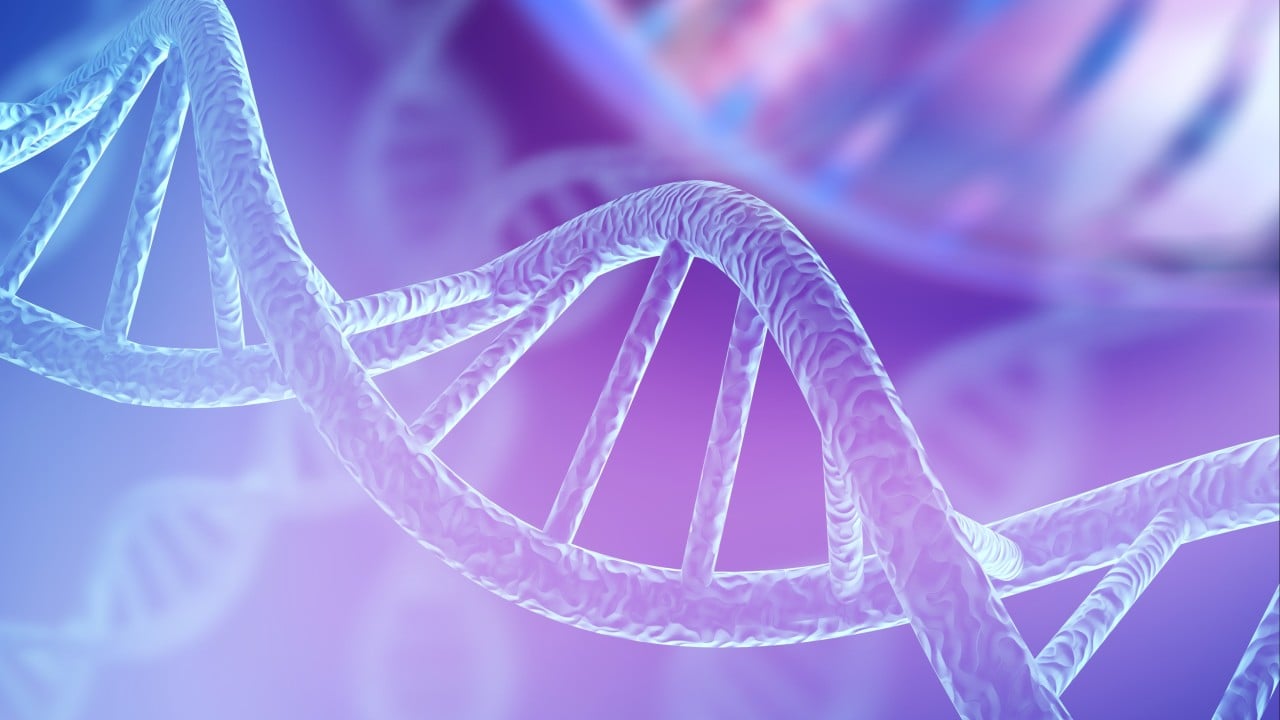
Geneticists recently peered into the deep past of South American DNA, expecting to find the expected. Instead, they found a ghost. A genomic signature appeared in the data that shouldn't have been there, arriving as late as 720 AD. While the Roman Empire was fracturing in the West and the Tang Dynasty was flourishing in the East, a group of people was making a journey that history books forgot to record.
They didn't just arrive. They changed the blood of a continent.
The Midnight Migration
To understand the weight of this, we have to look past the spreadsheets and the sequencing machines. Think of a traveler—let’s call him Amaru, a hypothetical figure representing this new genetic pulse. Amaru isn’t a colonizer with a flag or a conqueror with a sword. He is a part of a small, determined band of migrants moving through the dense, humid corridors of the Amazonian basin or perhaps hugging the rugged Pacific coastline.
By 720 AD, the "original" inhabitants of South America had been settled for over 10,000 years. Their societies were sophisticated, their agricultural systems complex. Yet, Amaru and his kin found a way in. This wasn't a mass invasion that would leave ruins or scorched earth. It was a quiet integration. A whisper in the genetic code.
Scientists used to think of human migration like a faucet turned on once and then tightly shut. We now know it was more like a series of waves, some crashing loudly, others barely rippling the surface. This 720 AD migration represents a late-stage surge from the north that bypassed established territories to leave a permanent mark on the populations of what we now call Uruguay and Panama.
Why the Date Matters
Why does a specific year—or even a specific century—change how we feel about the past? Because it collapses the distance between "ancient history" and the world we recognize. 720 AD isn't the mist-shrouded dawn of time. It is the Middle Ages. It is a time of written records, grand architecture, and global trade elsewhere in the world.
The fact that an entirely unknown group of people moved thousands of miles into South America during this period suggests that the "Wild West" of human expansion never really ended. The continent was a living, breathing, shifting mosaic long after we assumed the pieces were locked in place.
The research, led by teams across Brazil and the United States, analyzed the genomes of hundreds of individuals from diverse regions. They were looking for "ancestry clusters." Imagine a deck of cards shuffled perfectly. If you suddenly find a handful of blue cards in a deck of red ones, you know something happened recently. The cards haven't had enough time to be completely scattered. That is what the DNA showed: a sudden, distinct influx of Northern-derived ancestry that hadn't been diluted by ten millennia of isolation.
The Invisible Stakes of a Genetic Map
It is easy to dismiss this as academic trivia. But for the people living in these regions today, these findings are a reclamation of identity. History is often written by the victors, and in South America, the colonial narrative of the 15th century often seeks to erase everything that came before. By proving these complex, late-stage migrations, science is giving a voice back to the ancestors who didn't leave behind stone monuments but did leave behind their children.
Consider the logistics. Moving a group of people from North or Central America into the heart of South America in 700 AD was an act of incredible endurance. There were no horses. No wheels. Just the strength of human legs and the knowledge of the stars and the seasons. They carried seeds, stories, and the biological blueprints of their parents.
They were looking for something. Better soil? Safety? Or perhaps they were simply driven by that restless human itch to see what lies beyond the next ridgeline.
The Problem With the "Pristine" Past
We often fall into the trap of viewing indigenous history as static. We imagine a "pure" group of people who stayed in one spot for eternity until Europeans arrived. This new data shatters that trope. It shows a South America that was a boiling pot of movement, conflict, and prehistoric "globalization."
The 720 AD migrants represent a bridge. Their DNA connects the disparate ends of the Americas in a way that suggests constant, albeit slow, contact. The genetic markers found in modern-day Uruguayans and Panamanians act as a breadcrumb trail leading back to this specific window of time.
But there is a catch. The more we learn, the more we realize how much we’ve lost. For every migration we track through DNA, dozens more likely vanished because their lineages died out or were swallowed by the cataclysm of European contact. We are looking at the survivors of the survivors.
Living With the Ghost
If you were to stand in the grasslands of Uruguay today, you wouldn't see the tracks of these 8th-century pioneers. The grass has grown over their paths a thousand times. The wooden tools they used have long since rotted into the earth.
Yet, they are still there.
They are in the shape of a stranger’s eyes in a crowded Montevideo market. They are in the specific way a certain protein is processed in the gut of a child in a village near the Panama Canal. They are the silent passengers in our cells.
The discovery of the 720 AD migration teaches us that the map of the world is never finished. We are still discovering who we are and where we came from. We like to think of ourselves as the masters of our own history, but we are really just the latest chapter in a very long, very complicated book that we are only beginning to learn how to read.
The dust of the Andes may entomb, but it can no longer keep a secret. The traveler is still walking.
The fire they lit twelve hundred years ago hasn't gone out; it just changed form. It became us.