Oil finally did it. On Monday, March 30, 2026, U.S. crude futures settled above $100 for the first time in nearly four years. It isn't just a round number on a screen; it's a gut punch to Asian economies that were already gasping for air. If you think this is just a temporary blip, you're missing the bigger, uglier picture.
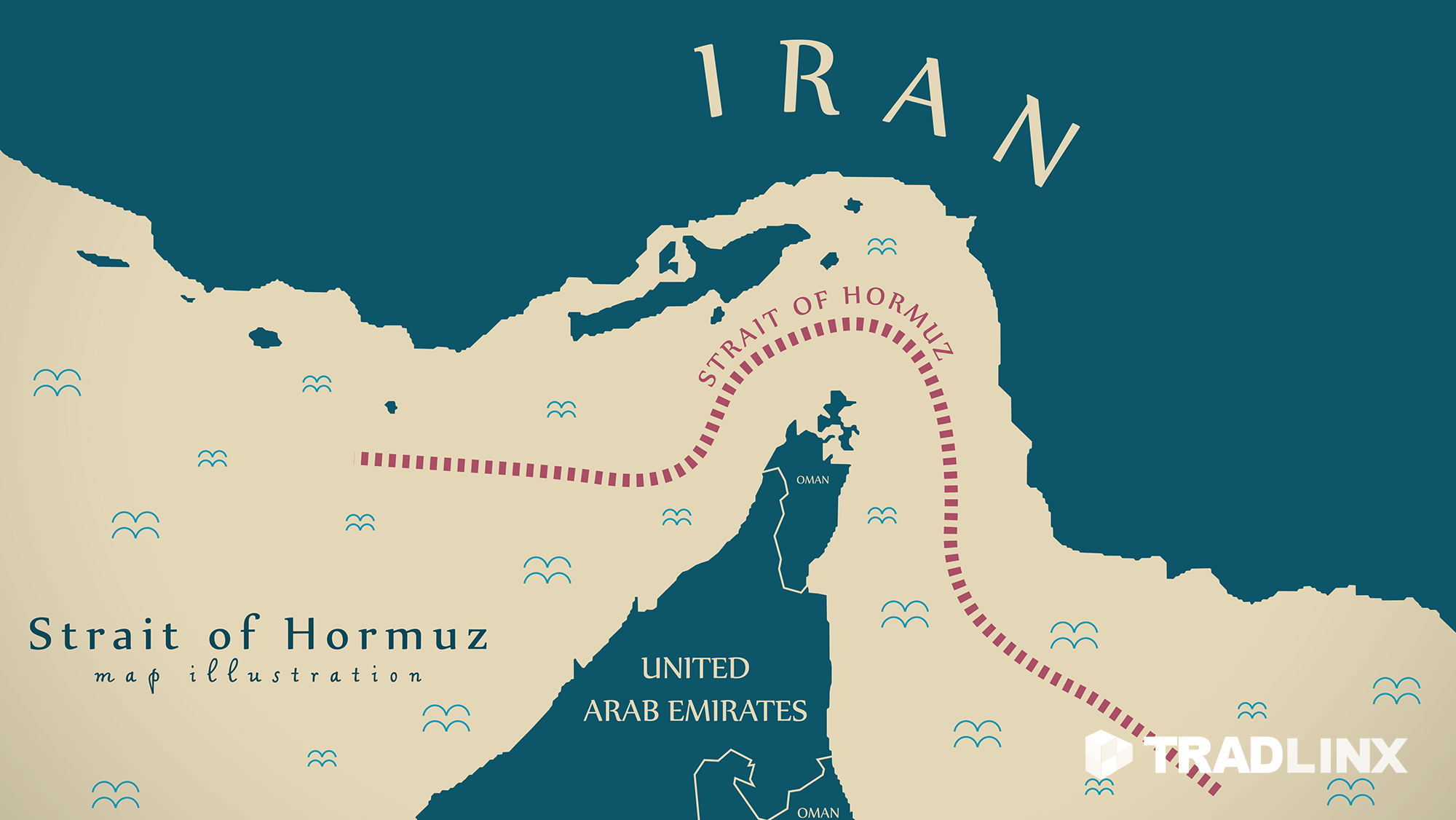
The reality is that the "Hormuz Risk" has shifted from a theoretical threat to a daily nightmare. With the Strait of Hormuz effectively blocked and regional conflict involving Iran, Israel, and the U.S. escalating by the hour, the energy floor has been ripped out. Asia-Pacific markets are falling because they're the world’s most vulnerable energy customers. They don't have the luxury of sitting this out.
The Crude Reality of $100 Oil
WTI crude jumped to $101.70 a barrel, marking a massive 50% surge in March alone. This isn't your typical market volatility. It’s a supply shock of historic proportions. When the U.S. starts talking about "taking the oil" in Iran and seizing export hubs like Kharg Island, the market doesn't just get nervous—it panics.
For months, traders bet on a quick resolution to the Middle East hostilities. Those bets are officially dead. The involvement of Yemen’s Houthis, who recently launched a second wave of missile attacks against Israel, has expanded the war zone. We're now looking at a situation where a fifth of the world's oil supply is held hostage by a conflict that has no clear exit ramp.
Why Tokyo and Seoul are Rattled
Japan and South Korea are basically high-end manufacturing machines powered by imported energy. When oil crosses $100, their profit margins evaporate. The Nikkei 225 took a 1.1% hit, but that doesn't tell the whole story. Tech heavyweights like SoftBank are getting hammered because investors realize that every chip and every server is about to get a lot more expensive to produce.
South Korea’s Kospi didn't fare much better, dropping 1.3%. They’re facing a double whammy: expensive energy imports and a weakening currency. It's a classic "scissors effect" where costs go up and buying power goes down. Honestly, the only reason these markets haven't completely collapsed yet is that some traders are still clinging to the hope of a ceasefire deal. But hope isn't a strategy.
The Inflation Wave is Actually Here
Taiwan’s Central Bank Governor Yang Chin-long recently admitted that $100 oil could push their CPI up to 1.9%. That might sound low, but for an economy that’s been built on low-inflation stability, it’s a massive shift. In Germany, the data is even scarier—energy prices are driving a first wave of inflation that’s already eating into consumer purchasing power faster than the 2022 crisis did.
- The Philippines: Fastest pass-through of costs to consumers. Expect gas prices at the pump to spike within days, not weeks.
- Thailand: Carrying a massive oil and gas trade deficit. The government’s fiscal buffers are thinning out fast.
- China: While they have coal to fall back on, their industrial sector can't ignore a 50% jump in crude prices.
Forget the "Strategic Reserve" Narrative
The International Energy Agency (IEA) tried to play hero by releasing 400 million barrels from strategic reserves. It didn't work. When you're facing a potential long-term blockade of the world’s most important transit point, a few hundred million barrels is just a band-aid on a gunshot wound.
The market knows these reserves are finite. Every barrel released now is a barrel that won't be available if the war drags into the summer. That’s why Brent crude is still flirting with $116 in some sessions. The "risk premium" isn't going away because the risk itself is becoming permanent.
What You Should Do Now
If you're holding positions in Asian equities, it's time to get defensive. The era of "cheap energy" that fueled the post-2024 recovery is over for the foreseeable future.
- Watch the Jet Regrade: Jet fuel prices are currently trading at insane premiums. If you have exposure to Asian airlines or tourism-heavy stocks (like in Thailand), be extremely careful.
- Monitor the USD/DXY: As oil stays high, the U.S. dollar tends to suck the air out of the room. A strong dollar makes that $100 oil even more expensive for countries like India and the Philippines.
- Look for "Coal Cushions": Economies that can pivot back to coal or have significant domestic energy production (like Australia) will weather this better than the pure importers.
This isn't just about a number on a ticker. It's about a fundamental shift in global trade routes and energy security. Stop waiting for things to go back to "normal." $100 oil is the new normal. Adjust your portfolio before the next leg down.