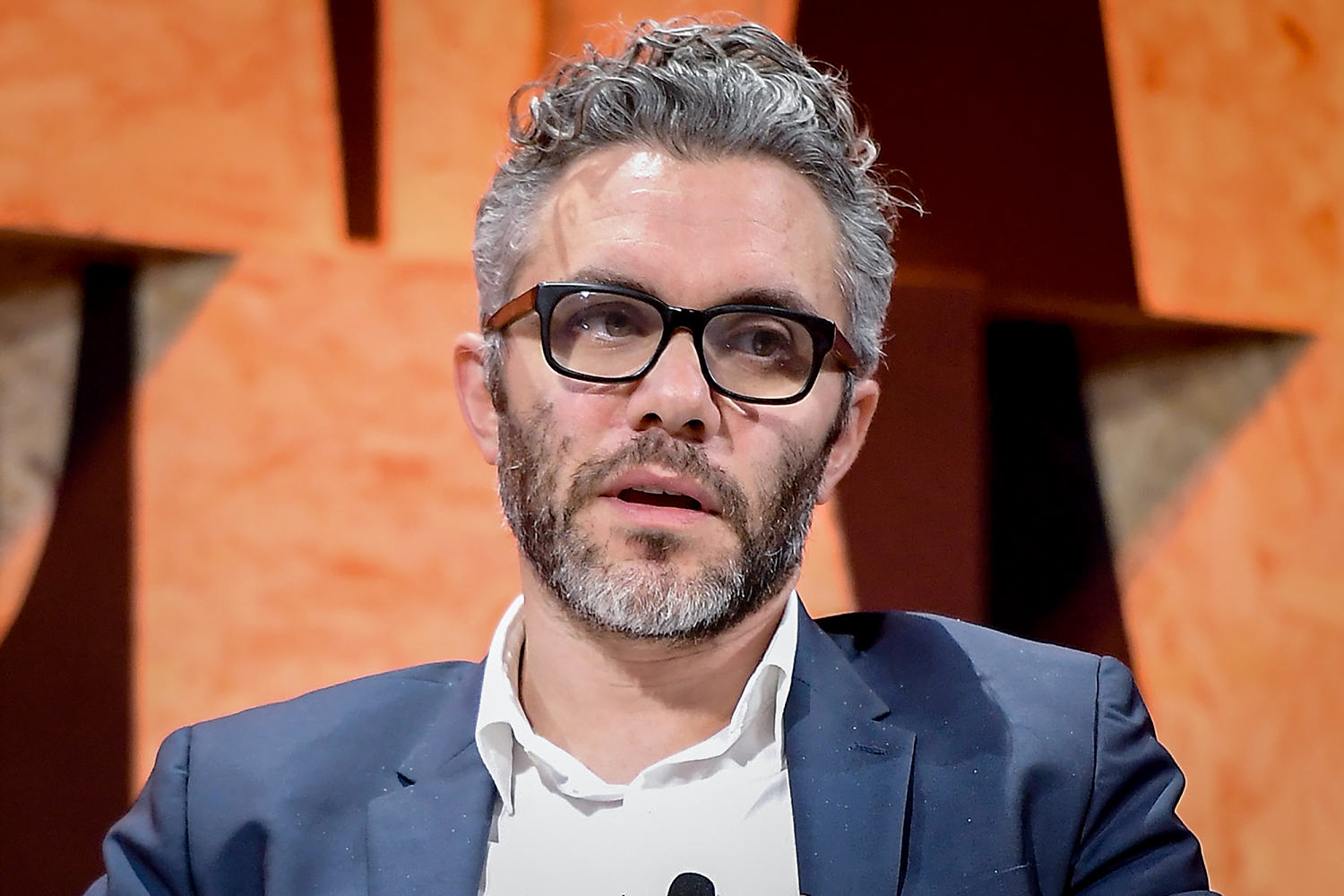
CBS News just threw a massive wrench into the machinery of traditional television. In a move that shocked the media industry, the network ousted Tanya Simon and handed the keys of 60 Minutes to Nick Bilton.
If you don't follow internal network drama, let me explain why this matters. Bilton is a former New York Times tech columnist, Vanity Fair writer, and documentary filmmaker. He has exactly zero years of experience working in network television news. You might also find this related story useful: The Night the Arena Became a Courtroom.
The main topic keyword here isn't just a corporate leadership change. The 60 Minutes shakeup is a desperate, fascinating, and high-stakes gamble by a legacy broadcaster trying to survive an era where nobody under forty watches scheduled television.
The Shocking Details of the 60 Minutes Shakeup
Let's look at the raw facts. CBS News editor-in-chief Bari Weiss and president Tom Cibrowski announced the change on Thursday morning. Bilton replaces Tanya Simon, a 30-year veteran of the broadcast who became the executive producer just last year. Simon was the first woman to lead the show. CBS didn't even mention her name or her future in their official announcement. As extensively documented in recent articles by Vanity Fair, the effects are notable.
That's cold. It's also the third leadership change for the show in just 13 months. Ever since former boss Bill Owens left, the anchor of CBS Sunday nights has been in absolute chaos.
Why would a network fire a seasoned insider and hire a guy who directed an HBO documentary about Instagram influencers called Fake Famous?
It's all about where the audience lives. Cibrowski didn't mince words. He said hiring Bilton is about making 60 Minutes a "360-degree product" that meets people "wherever they consume information." Translated from corporate speak, that means they realize younger audiences won't sit on a couch at 7:00 PM on a Sunday to watch a ticking clock.
What Most People Get Wrong About This Media Disruption
Most media critics are focusing entirely on Bilton's lack of a TV resume. They think producing a package for a television screen is a sacred, unique skill.
They're missing the point. Don Hewitt, the legendary creator who launched 60 Minutes back in 1968, didn't view the show as standard television news anyway. Bilton himself pointed this out to The New York Times immediately after his hiring. Hewitt loved documentaries but hated sitting through two-hour films. He basically invented the show as a collection of short-form, hard-hitting mini-documentaries.
Bilton actually fits that original vision better than a corporate careerist. He understands narrative structure. He knows how to build tension. More importantly, he knows how to make content go viral on the internet.
But let's be honest about the elephant in the room. This isn't just about modernizing a tech stack. It's about a massive ideological and cultural civil war currently tearing CBS News apart.
The Bari Weiss Factor and the Shift at CBS
You can't talk about the 60 Minutes shakeup without looking at Bari Weiss. Since right-wing billionaire David Ellison took over Paramount and placed Weiss at the editorial helm of CBS News last year, the network has been locked in a brutal internal conflict.
Weiss wants to shake up what she views as complacent, center-left mainstream journalism. She wants disruption. The problem is that her disruption is causing major casualties among the network's most respected talent.
Consider what else has happened over the last few months:
- CBS refused to renew the contract of longtime journalist Sharyn Alfonsi after Weiss reportedly delayed her investigative segment on torture in El Salvador prisons.
- When that El Salvador segment finally aired, it included added commentary from the Trump administration as a forced counterpoint.
- Anderson Cooper abruptly quit the show.
- Christiane Amanpour publicly blasted the network's new editorial direction.
- Weiss repeatedly bypassed senior correspondents, reportedly cutting out veteran Lesley Stahl during negotiations for an interview with Israeli Prime Minister Benjamin Netanyahu.
The internal staff at CBS is terrified. They see Bilton's appointment as another tool for Weiss to consolidate power and push a specific editorial agenda. In a memo sent to newsroom staff, Bilton tried to calm the waters. He stated that Mike Wallace's original goal to "report reality" is his north star, emphasizing a commitment to "fairness in story selection, in the edit room, and in the broadcast."
Will the staff buy it? Probably not immediately. Bilton called the recent furor around the show "just noise" caused by disruption in a legacy business. That's a pretty dismissive way to talk about the departure of icons like Anderson Cooper.
How This Impacts the Way You Get Your News
If you're a viewer, this change means the 60 Minutes you know is about to disappear. The traditional format of a correspondent sitting across a desk from a politician, holding a manila folder of research, feels increasingly ancient.
Expect fewer standard Washington political profiles. Expect more deep-dives into Silicon Valley, artificial intelligence, cyber-warfare, and internet culture. Bilton wrote Hatching Twitter and The Mastermind. He knows the dark underbelly of tech.
You'll also see these segments broken apart. You won't need a cable subscription or a TV set to watch them. They'll be chopped up for YouTube, adapted into podcast series, and pushed through streaming apps. It's a survival strategy. If CBS can't get young people to watch the broadcast, they have to take the broadcast to the platforms young people actually use.
It's a massive risk. If Bilton alienates the older, loyal audience that still watches CBS on Sunday nights before he can attract a younger digital audience, the entire brand could collapse. 60 Minutes remains the most-watched newsmagazine on television. Messing with the formula is dangerous.
If you want to understand where the media landscape is heading, stop watching the evening news anchors. Watch Nick Bilton. Watch how he alters the editing rhythm of the segments. Pay attention to the stories CBS chooses to promote on social platforms over the next six months. The future of legacy investigative journalism depends entirely on whether this outsider can bridge the gap between old-school integrity and new-age attention spans.