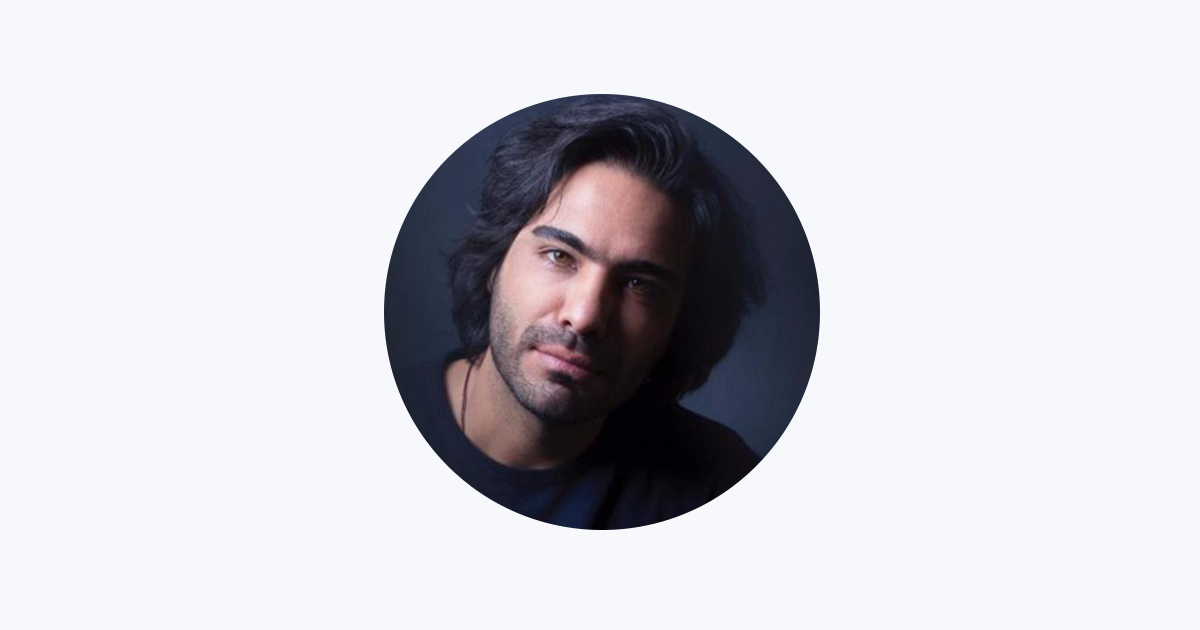
Imagine sitting on a simple mat, cradling a long-necked lute, with the massive cooling towers of a power station looming behind you like concrete giants. That’s exactly where Ali Ghamsari, one of Iran’s most respected traditional musicians, spent his Tuesday. He wasn’t at a concert hall in Tehran or a fancy studio. He was at the Damavand Power Plant, the largest energy facility in the country, playing his tar as a direct response to a terrifying ultimatum.
The backdrop to this performance isn't just scenic; it’s existential. Over the weekend, Donald Trump didn't mince words. He threatened to turn Tuesday into "Power Plant Day" and "Bridge Day," vowing a massive bombing campaign against Iran's civilian infrastructure if the Strait of Hormuz wasn't reopened. When a world leader talks about making a "whole civilization die," people usually run for cover. Ghamsari grabbed his instrument and went to the target.
A message written in strings
Ghamsari’s choice to perform at Damavand isn't just about being brave. It’s a calculated, deeply Persian form of protest. The tar is a heart-shaped string instrument that sits at the center of classical Persian music. By playing it in front of a site that provides electricity to over two million homes, he’s connecting high-stakes geopolitics to the actual lives of people who just want to keep their lights on.
I’ve followed Ghamsari’s work for years. He’s never been one to shy away from using music as a social tool. In the videos circulating from the site, you can hear the delicate, percussive plucking of the tar echoing against the industrial hum of the plant. He told reporters he wants the sound of his music to "keep the lights in homes from going out." It’s a gut-punch of a sentiment when you realize that if those bombs fell, the music—and the electricity—would stop instantly.
The reality of the civilization threat
It’s easy to dismiss these threats as bluster from thousands of miles away, but for folks in Tehran and Pakdasht, the tension is suffocating. The U.S. deadline of 8 PM Eastern Time on April 7 (midnight GMT on April 8) has turned the Iranian capital into a city of human chains.
While Ghamsari played his tar, thousands of other Iranians gathered around bridges and power stations, forming physical barriers with their bodies. The logic is simple: if you want to hit the grid, you have to hit us first.
- Damavand Power Plant: 2,868MW capacity.
- Targeting: Civilian infrastructure is protected under international law, but that hasn't slowed the rhetoric.
- Local Response: Iran’s deputy sports minister, Alireza Rahimi, even urged citizens to protect these "national assets."
The situation feels different this time. We aren't just talking about military bases or nuclear sites. We’re talking about the things that make modern life possible—refrigerators for medicine, lights for schools, and the pumps that move water through the city.
Why music matters in a war zone
You might wonder what a lute player expects to achieve against a stealth bomber. Honestly, it’s about the narrative. War often gets reduced to maps and "strategic assets." Ghamsari’s performance reclaims the human element. He’s essentially saying, "There is beauty and culture here, not just a target on a screen."
This isn't just a government-sanctioned photo op, either. Iranians are famously divided. Some hate the current leadership; others support it. But almost everyone agrees that blowing up the power grid is a line that shouldn't be crossed. It doesn't hurt the politicians; it hurts the grandma on the fifth floor who needs an elevator. Ghamsari’s music bridges that gap by focusing on the shared humanity of the people living under those "targets."
The current state of the ultimatum
As of today, the situation has shifted slightly. Trump announced a two-week ceasefire after reports that Iran might reopen the Strait of Hormuz. It’s a temporary sigh of relief, but the threat hasn't vanished. The "Power Plant Day" might be delayed, but the infrastructure remains in the crosshairs.
If you’re watching this from the outside, don’t just see a musician at a power plant as a quirky news story. It’s a desperate plea for a diplomatic exit. The next time you flip a light switch, think about the fact that for millions of people, that simple action has become a flashpoint for a potential global conflict.
What you can do now:
- Follow independent journalists on the ground in Tehran for updates that aren't filtered through state media or Western talking points.
- Look into the International Committee of the Red Cross (ICRC) reports on the protection of civilian infrastructure during armed conflict to understand the legal stakes here.
- Share the footage of Ghamsari’s performance; sometimes the loudest protest is the quietest song.