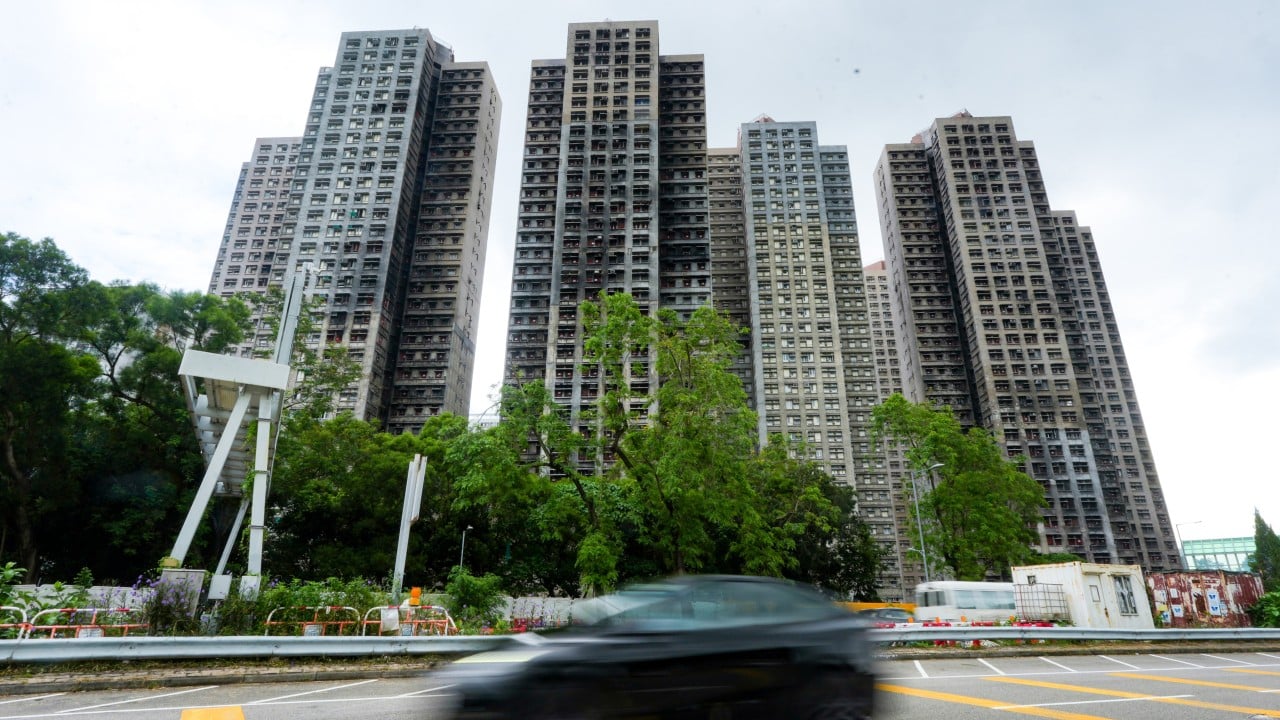
Massive government buyouts rarely hit consensus numbers. Yet, the recent acquisition drive for the fire-hit Wang Fuk Court in Tai Po achieved a staggering 99.1 percent acceptance rate.
When the Housing Bureau set its final 5 PM deadline, a total of 1,967 owners across the eight residential blocks (Blocks A to H) had signed and returned their Letters of Acceptance. That left just a tiny fraction of holdouts standing apart from a community-wide exit strategy. Property acquisition on this scale usually drags on for months through bitter legal disputes and stubborn holdouts. This case proved different.
The Reality Behind the Numbers
Behind the dry statistics released by the Housing Bureau lies a complex web of grief, financial pragmatism, and urban renewal pressure. The devastating blaze that ripped through the estate left deep scars, rendering long-term habitation untenable for most.
As of the deadline close, the government had already executed formal Agreements for Sale and Purchase with 1,559 households, representing about 78.6 percent of the total units. Processing assignments for nearly two thousand flats takes an enormous administrative toll. Engagement teams worked overtime right up to the final hours, hunting down undecided owners to prevent them from missing the cutoff.
Why the Holdouts Waited So Long
Only a handful of owners resisted until the final bell. Out of nearly 2,000 units, the remaining holdouts represented a microscopic minority.
Why do people resist massive government buyouts? Usually, it boils down to three distinct factors. Some owners dispute valuation metrics, believing their specific unit commands a higher private market value than the baseline compensation package. Others experience paralyzing sentimental attachment to a home they've lived in for decades. Then there are procedural hurdles—elderly owners abroad, unresolved estate inheritances, or misplaced paperwork that delays a quick response.
Yet, holding out against a state-backed mass acquisition rarely works out in the owner's favor. Once a threshold crosses past ninety-five percent, the legal and social pressure to conform becomes overwhelming. Remaining independent in a condemned or entirely state-acquired complex strips away future property value, maintenance support, and neighborhood infrastructure.
What Happens to the Properties Next
Acquiring the titles is only the first hurdle for authorities. The Housing Bureau faces a massive logistical sprint to verify postal submissions, execute remaining sales agreements, and manage the transition. Envelopes postmarked on or before the final deadline date are still counted as valid, meaning the final acceptance percentage could tick up even higher once the mail arrives.
For the vast majority who opted in, the focus shifts immediately toward relocation and the special sales exercise. The government's structured housing arrangements offer a way out of a localized tragedy, giving families a chance to rebuild elsewhere.
The 17 holdouts face an isolated future. With 99.1 percent of the estate signed over to the state, the collective identity of Wang Fuk Court is gone. Acceptance of reality always wins in the end, even if a few take until the very last minute to realize it.