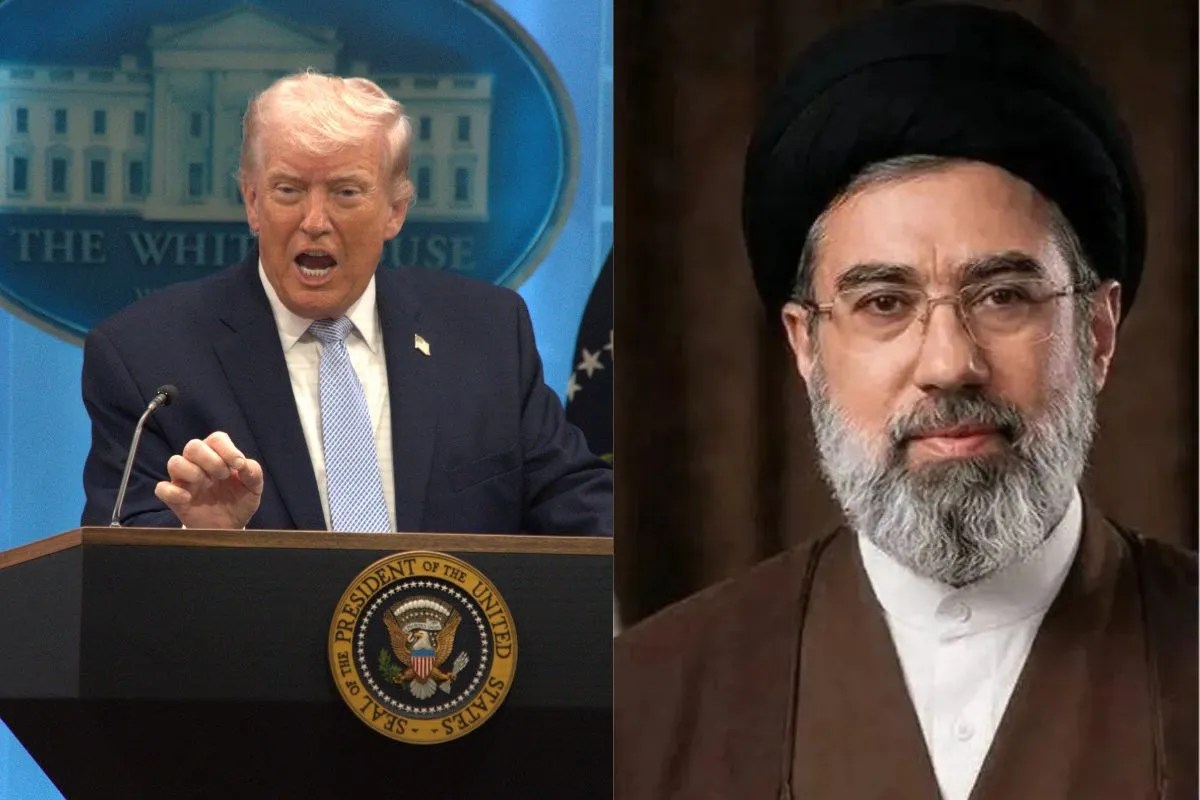
Geopolitical leverage operates on asymmetric friction points, and few nodes match the global systemic risk concentration of the Strait of Hormuz. When Tehran outlines its non-negotiable prerequisites for unblocking this critical maritime corridor, observers often misread the maneuver as hyperbolic posturing. A rigorous deconstruction reveals a calculated economic and military doctrine. The standoff is not merely a diplomatic disagreement over navigational rights; it is a structural contest over asset recovery, sanctions architecture, and regional security architecture.
The Dual Track of Negotiation and Coercion
The Islamic Republic pursues a bifurcated strategy designed to separate technical maritime administration from broader geopolitical concessions. On the primary track, indirect talks mediated by Oman have approached advanced stages, focusing on a localized shipping protocol. This track addresses the immediate mechanics of vessel transit and lane safety near Omani territorial waters.
However, the military and security apparatus, anchored by the Islamic Revolutionary Guard Corps (IRGC), enforces a strict decoupling rule. Tehran insists that technical navigation arrangements cannot supersede or preempt comprehensive geopolitical settlements. The reopening of the transit corridor is bound entirely to structural demands that dismantle the economic and military pressure campaign mounted by Washington.
The Seven Pillars of the Tehran Protocol
The Supreme National Security Council has codified the conditions required for restoring pre-war commercial throughput. Each demand targets a specific vector of Western leverage, effectively constructing a reciprocal ransom model:
- Permanent cessation of military threats and hostile postures directed against state sovereignty.
- Formal conclusion of ongoing military actions involving regional proxy networks and allied armed forces.
- Complete withdrawal of United States naval and air assets enforcing the regional maritime blockade.
- Full financial compensation for infrastructure and economic damages incurred during the conflict cycle.
- Unconditional dismantling of primary and secondary economic sanctions.
- Immediate unfreezing and repatriation of sovereign financial assets held in foreign jurisdictions.
- Non-interference by external powers in ongoing regional diplomatic frameworks.
These conditions form an indivisible block. Washington seeks a sequential approach—demanding the resumption of commercial shipping before lifting naval blockades and economic restrictions. Tehran's counter-doctrine dictates that the chokepoint remains a functional theater of war until the entire architecture of economic containment is dismantled.
The Cost Function of Continued Closure
The operational shutdown of the maritime corridor imposes severe supply chain degradation on global energy markets. Approximately one-fifth of global petroleum and liquefied natural gas consumption historically transited this narrow passage. Prolonged disruption shifts the economic burden onto importing nations through inflated risk premiums, marine insurance spikes, and forced rerouting.
For commercial fleet operators, navigating the region involves acute tail-risk exposure. Incidents involving projectile impacts on tankers—such as those reported by regional energy transporters—demonstrate that unauthorized or uncoordinated transits face direct kinetic interception. The strategic utility of the closure for Tehran lies precisely in this friction: as long as the waterway remains a restricted zone, global economic pain accumulates, increasing pressure on Western capitals to compromise.
Strategic Forecast and Operational Reality
The standoff exposes the limits of naval deterrence in managing asymmetric maritime choke points. Military escorts and naval blockades can suppress localized threats, but they cannot restore commercial confidence in an active war zone where maritime insurance underwriters refuse coverage.
A breakthrough depends entirely on whether Washington is willing to treat the reopening of the transit route as the endpoint of a negotiated grand bargain rather than its preliminary condition. Until Western negotiators accept that technical maritime access cannot be decoupled from sanctions relief and asset unfreezing, the corridor will remain closed, functioning as an active instrument of statecraft designed to break the economic isolation of the Iranian state.


/getty-brown-bear-56afcf215f9b58b7d01d5195.jpg)