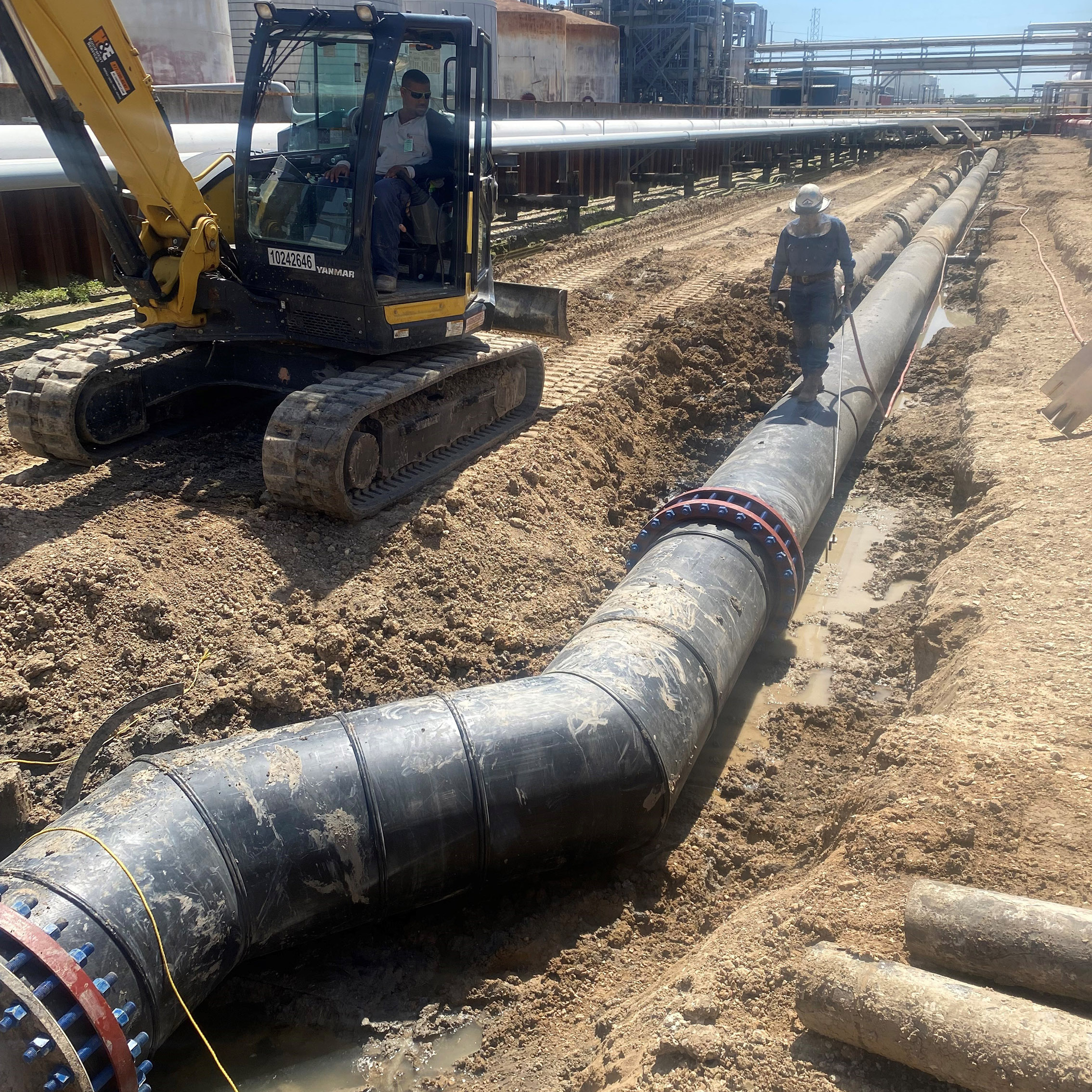
The tragic industrial accident in Dubai that claimed the life of a worker from Kerala exposes systemic fragilities in transnational labor ecosystems. Standard media reporting typically reduces such incidents to individual human interest narratives, focusing on personal aspirations, localized grief, and the suddenness of the catastrophe. This approach obscures the structural mechanics that place migrant workers at the intersection of hazardous industrial operations, regulatory gaps, and high-stakes economic migration.
A rigorous analysis requires shifting the lens from sensationalized tragedy to structural mechanics. Migrant labor pipelines from South Asia to the Gulf Cooperation Council economies operate on specific economic incentives, regulatory frameworks, and risk-transfer mechanisms. Understanding the fatality requires examining the supply chain of labor, the economics of remittances, and the enforcement deficits in industrial safety compliance.
The Economic Architecture of Gulf Migration
The migration of labor from regions like Kerala to urban centers such as Dubai is driven by a profound wage differential and limited domestic capital formation. The core incentive structure rests on labor arbitrage. Economies experiencing rapid infrastructural and industrial expansion require a high-volume, low-cost labor force that domestic populations cannot or will not supply.
This dynamic creates a specific economic dependency loop.
- Capital Inflows via Remittances: Regional economies rely heavily on external capital injections to stabilize local consumption and real estate markets.
- Labor Cost Minimization: Hiring agencies and contractors maximize project margins by suppressing overhead expenses, which frequently manifests as reduced investment in safety equipment, rigorous training, and housing standards.
- Asymmetric Information: Workers often possess incomplete data regarding site-specific industrial hazards, legal protections, and employer safety records prior to contract execution.
When an industrial explosion or catastrophic site failure occurs, it is rarely an isolated anomaly. It is the terminal point of a cascading series of cost-cutting decisions distributed across a multi-tiered subcontracting chain. Prime contractors delegate specialized, high-risk tasks to subcontractors, who in turn rely on smaller entities or individual labor brokers. With each layer of delegation, oversight diminishes while margin pressures intensify.
The Risk Transfer Mechanism in Industrial Operations
Industrial safety relies on redundancy, rigorous protocol enforcement, and transparent hazard reporting. In high-pressure construction and manufacturing environments across the Gulf, these operational layers face severe strain.
The primary failure point is the risk transfer mechanism. Large-scale developers isolate themselves from operational liability through complex contractual indemnities. When safety protocols are bypassed to accelerate project timelines, the frontline worker absorbs the physical risk without holding the authority to halt dangerous operations.
[Prime Developer]
       │
       ▼ (Contractual Indemnity)
[Subcontractor Tier 1]
       │
       ▼ (Margin Pressure)
[Labor Broker / Tier 2]
       │
       ▼ (Maximum Exposure)
[Frontline Migrant Worker]
This structural hierarchy creates a perverse incentive. Speed and compliance exist in direct opposition. When financial penalties for project delays outweigh the perceived risk of regulatory fines or safety incidents, operational shortcuts become standard practice. Workers operate in environments where volatile materials, heavy machinery, and compressed timelines converge, creating conditions ripe for catastrophic failure.
Regulatory Enforcement Gaps and Jurisdictional Limits
While statutory safety regulations exist on paper within jurisdictions like Dubai, the enforcement gradient varies significantly between high-profile commercial developments and secondary industrial zones. Labor inspectorates face capacity constraints when monitoring thousands of active sites simultaneously.
Furthermore, the legal and social architecture surrounding migrant labor complicates accountability. Temporary work visa structures tie a worker's legal residency directly to their employer. This dependency alters the power dynamic on the shop floor.
- Reporting Hesitancy: Workers who identify unsafe conditions frequently hesitate to report them or refuse hazardous tasks due to fear of contract termination, repatriation, or visa cancellation.
- Delayed Redress: Post-incident investigations often struggle with cross-jurisdictional cooperation, linguistic barriers, and the rapid clearing of accident sites to resume commercial operations.
- Insurance and Compensation Asymmetry: Navigating statutory compensation claims requires legal literacy and financial staying power that grieving families thousands of miles away rarely possess.
Consequently, the deterrent effect of safety laws is blunted. If the expected cost of non-compliance is lower than the capital expenditure required to overhaul safety infrastructure, rational economic actors operating within these constraints will underinvest in risk mitigation.
Systemic Interventions Required for Risk Mitigation
Preventing future industrial fatalities requires moving beyond retrospective condolences to structural reform across the migration lifecycle. Governments in both origin states and destination economies must dismantle the structural incentives that prioritize speed over safety.
Origin states, such as India and specifically regional administrations in Kerala, must implement mandatory pre-departure orientation protocols that educate workers on international labor rights, hazard identification, and direct communication channels for grievances. Certification standards for recruiting agencies must be tied to the safety records of the destination employers they supply.
Destination economies must mandate independent, unannounced safety audits with criminal liabilities for executive leadership when willful negligence is established. Eliminating the absolute dependency of visas on single employers through flexible mobility frameworks would empower workers to exit hazardous workplaces without forfeiting their legal status. Until the cost of a workplace fatality—measured in both legal penalties and operational downtime—exceeds the financial gains of negligence, industrial sites will remain high-risk environments for the transnational workforce.
Mandate real-time, independent safety oversight boards with the legal authority to halt operations on any commercial site upon the detection of systemic protocol violations, and tie contractor license renewals directly to audited safety records rather than completion timelines.