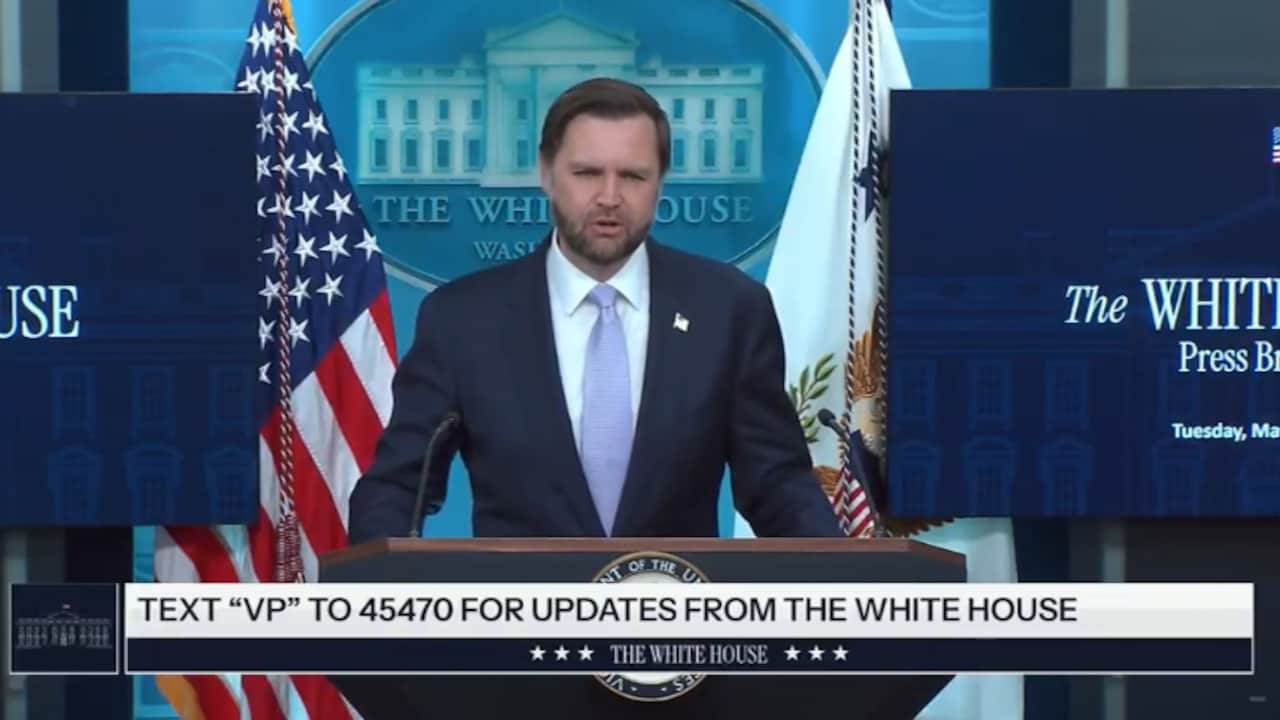
The operational friction between United States naval objectives and Iranian asymmetric defense strategies has entered a volatile phase defined by high-frequency maritime interdiction and collateral risk. Recent statements from executive leadership regarding reported civilian casualties in Sirik County highlight the severe feedback loops inherent in modern littoral targeting. When kinetic operations intersect with densely populated civilian infrastructure along strategic chokepoints like the Strait of Hormuz, the friction between tactical execution and strategic intent expands exponentially.
Deconstructing this operational theater requires examining the underlying mechanics driving the current escalation cycle. The strategic impasse rests on three primary variables: maritime security enforcement, asymmetric asset dispersion, and the compression of civilian-military boundaries in coastal defense zones. For a different look, read: this related article.
The Cost Function of Littoral Interdiction
The primary driver of the current campaign is the economic disruption of commercial oil shipping. Washington maintains that military actions are calibrated exclusively to suppress Iranian anti-ship missile and drone capabilities targeting commercial vessels. However, the economic elasticity of global energy markets creates an immediate feedback loop. As Brent crude futures react to each escalation wave, the financial cost of the conflict scales globally, while localized military assets absorb heightened asymmetric retaliation.
The operational calculus depends on neutralizing launch platforms before they acquire targeting solutions on commercial traffic. This requires persistent aerial reconnaissance and rapid-response strikes along the Iranian coastline. Yet, littoral zones present a high-density intelligence challenge. Dual-use infrastructure, civilian maritime craft, and decentralized mobile launchers blur the boundary between military utility and civilian presence. Further coverage on the subject has been shared by The Guardian.
The Intelligence and Targeting Deficit
When munitions strike populated sectors, the resulting operational fallout triggers structural information warfare. The mechanics of the current dispute involve starkly divergent verification models.
- Asymmetric Information Friction: State-run verification bodies operate under institutional incentives to maximize the propaganda value of civilian casualties, complicating independent verification of casualty counts and structural damage.
- Central Command Accountability Protocols: Military investigative frameworks require rigorous chain-of-custody analysis for strike data, sensor logs, and collateral damage assessments, creating an inherent reporting latency before formal admissions or refutations occur.
- The Civilian Shielding Variable: Decentralized defense architectures frequently integrate mobile military assets within urbanized or residential perimeters, maximizing the probability of tragic intersection during high-cadence air campaigns.
The insistence by executive officials that the United States military systematically reviews errors highlights an institutional feedback mechanism, but it does little to mitigate the immediate strategic damage inflicted by civilian casualties. Each contested strike compounds diplomatic isolation and hardens adversary resolve, undermining the long-term objective of securing commercial sea lanes.
Strategic Asymmetry and Escalation Dominance
A fundamental miscalculation in protracted littoral conflicts is the assumption that kinetic suppression can unilaterally alter adversary behavior without generating systemic blowback. Iran has countered naval pressure through decentralized missile and drone volleys directed at regional staging bases across the Persian Gulf perimeter. This creates a distributed cost model where high-value defensive interceptors are expended against low-cost offensive projectiles, degrading regional defense inventories over time.
The refusal to categorize the ongoing engagement as a traditional war reflects an effort to manage domestic legal thresholds and public perception, but it obscures the empirical reality on the ground. Low-intensity conflict frameworks fail to capture the multi-domain friction of continuous missile exchanges, regional base vulnerabilities, and macroeconomic energy shocks.
The Forward Operational Horizon
Resolving the security dilemma in the Strait of Hormuz cannot be achieved solely through punitive strike packages. The operational stalemate will persist until the underlying incentives for maritime disruption are systematically altered or bypassed through multinational convoy protection models that minimize the necessity of preemptive coastal suppression. The immediate strategic play requires decoupling commercial vessel security from offensive counter-force campaigns against sovereign territory, thereby shrinking the operational surface area where civilian populations are exposed to collateral kinetic effects.


