Energy markets react not to military action itself, but to the degree of legislative consensus behind that action. When executive military engagement encounters a fragmented legislature, the geopolitical risk premium in crude oil pricing expands rather than contracts. The structural divergence between the U.S. House of Representatives and the Senate regarding War Powers Resolutions exposes a fundamental political friction point. This political instability, coupled with physical bottlenecks in global energy transport, converts legislative paralysis into sustained price inflation across global benchmarks.
The Tripartite Friction Framework
Energy pricing during military conflicts operates through three interrelated variables: sovereign execution capacity, physical supply chokepoints, and legislative constraint mechanisms. Evaluating energy price surges requires analyzing the interaction between these three pillars.
Executive Military Strategy vs Legislative Authority
The War Powers Resolution of 1973 was designed to enforce legislative oversight over foreign hostilities. In practice, legislative disagreement over war powers signaling does not halt executive operations; it removes predictable exit timelines.
When the House passes a War Powers Resolution while the Senate narrowly rejects it, market participants deduce two structural realities:
- Extended Conflict Duration: Lacking a unified congressional mandate to either fully back or legally curtail military operations, executive foreign policy continues on an ad-hoc basis. The absence of a clear legislative mandate extends the duration of uncertainty, preventing energy markets from pricing in a clean terminal state for hostilities.
- Budgetary Friction: Military engagements require supplemental appropriations. A divided legislature creates funding bottlenecks. When defense budget requests encounter factional opposition, market analysts adjust their duration models for energy disruption upward, factoring in fiscal brinkmanship alongside kinetic operations.
The Physical Chokepoint Multiplier
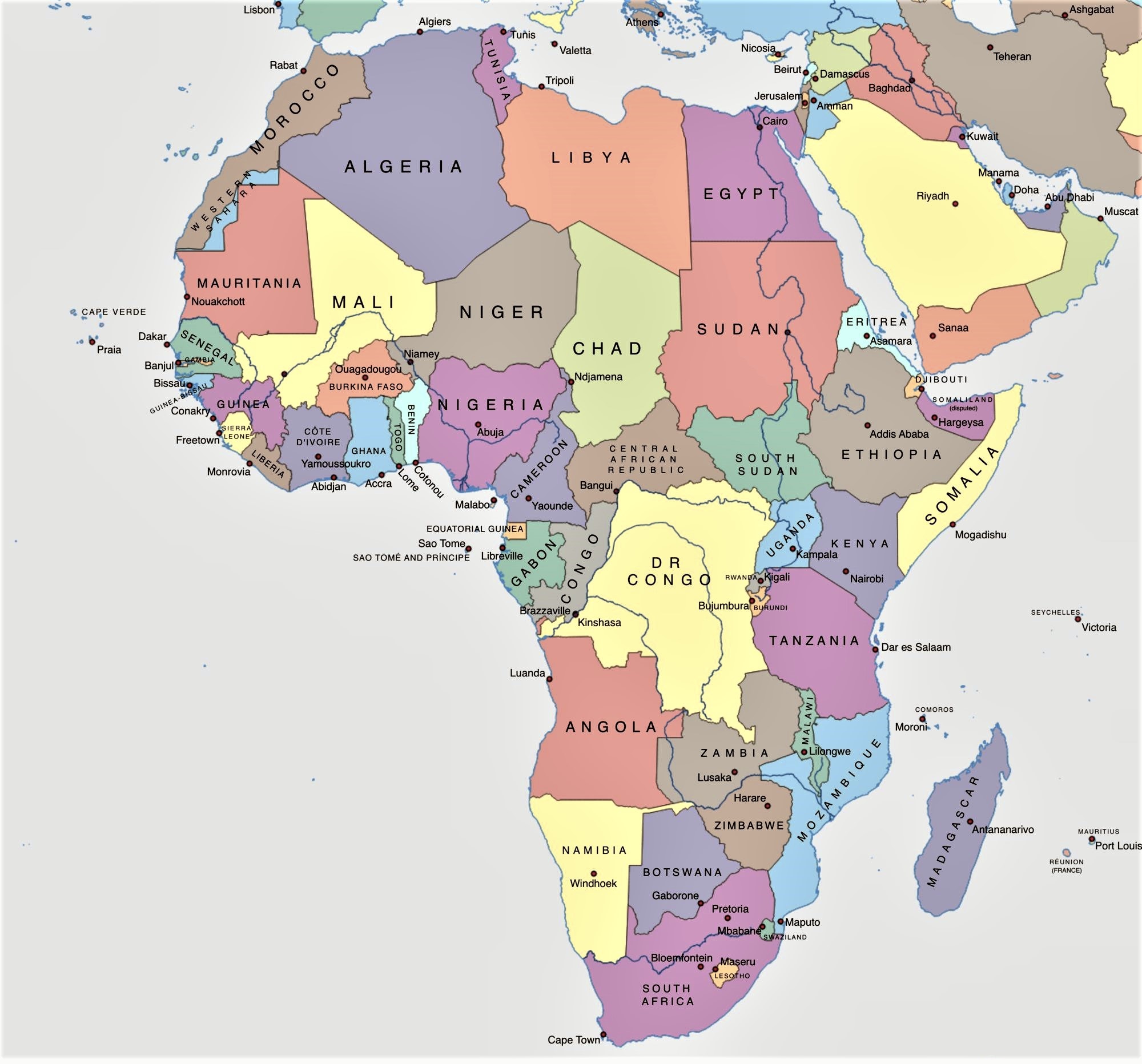
Legislative friction in Washington impacts price discovery when physical supply channels are actively compromised. The Strait of Hormuz serves as the primary transmission vector through which Middle East conflict impacts global crude balances.
Approximately 20 percent of global petroleum liquids flow through the Strait of Hormuz. When maritime traffic in this narrow corridor is restricted or subjected to hostile actions, global supply elasticity collapses to near zero. Short-term physical substitution capacity is practically non-existent. Saudi Arabia’s East-West Pipeline and the UAE’s Abu Dhabi Crude Oil Pipeline provide limited bypass options, but their aggregate capacity cannot absorb a total disruption of Hormuz transit.
The price reaction to political gridlock is amplified by this underlying physical vulnerability. When Congress fails to establish a unified policy response, market algorithms price in a higher probability of prolonged maritime blockade.
Monetary Policy Interference
Energy spikes driven by supply disruptions act as an exogenous tax on consuming economies. This creates a policy dilemma for central banks.
- Inflationary Impulse: Crude oil breaching $100 per barrel directly inflates fuel transportation costs, driving top-line consumer price index figures upward.
- Yield Curve Pressure: Benchmark bond yields rise as fixed-income markets price in prolonged elevated interest rates to combat energy-driven inflation.
- Capital Reallocation: Sustained high energy costs depress consumer sentiment and discretionary spending, shifting equity market capital away from growth assets and toward defensive cash-flow generators.
Quantifying the War Powers Premium
Determining the exact dollar value attributed to political gridlock requires dissecting the components of benchmark crude prices, specifically Brent and West Texas Intermediate (WTI). Under non-conflict operational conditions, benchmark crude prices reflect marginal cost of production, transportation logistics, global inventory levels, and macroeconomic demand expectations. During geopolitical conflicts, a distinct geopolitical risk premium attaches to the baseline price.
Total Crude Price = Base Fundamental Value + Physical Supply Disruption Factor + Regime/Policy Uncertainty Premium
The Regime/Policy Uncertainty Premium expands under specific legislative conditions.
Factor 1: Margin Requirements and Futures Liquidity
Legislative votes in Washington trigger institutional rebalancing across commodity futures exchanges such as NYMEX and ICE. When the House approves a resolution to restrict military powers but the Senate fails to pass it, market volatility indexes rise sharply.
Clearinghouses respond to volatility spikes by raising initial margin requirements for crude contracts. Higher margin requirements reduce liquidity, forcing non-commercial speculative traders to cover short positions or reduce position sizes. This forced deleveraging accelerates price spikes to the upside, as liquidity thins out while hedging demand from commercial consumers remains high.
Factor 2: Strategic Petroleum Reserve Mechanics
A divided legislature restricts the executive branch's ability to utilize non-market mechanisms for price stabilization. The Strategic Petroleum Reserve (SPR) represents the primary domestic buffer against supply shocks.
Congressional gridlock introduces two distinct risks to SPR management:
- Statutory Drawdown Limitations: Unilateral executive drawdowns face political blowback and legal challenges from opposing legislative factions, slowing down operational release execution.
- Refill Budget Uncertainty: When Congress is split on broader defense and discretionary spending, funding allocations for repurchasing SPR inventories become contentious. Unfunded or delayed inventory replenishment signals to crude markets that structural buffer capacity remains compromised for longer periods.
Factor 3: Insurer and Shipping Market Risk Re-evaluation
Maritime insurers adjust war-risk premiums for vessels navigating sensitive maritime zones based on the perceived probability of military escalation. Insurance underwriters operate on risk models that factor in political stability and alliance commitments.
When legislative bodies display division regarding war parameters:
- Underwriters classify maritime transit through affected corridors as high-risk indefinitely, rather than for a bounded window.
- Protection and Indemnity (P&I) clubs impose steep additional premiums or revoke coverage entirely for ships traversing target areas.
- Tanker charter rates jump significantly to compensate shipowners for taking on unquantified geopolitical exposure.
These added maritime transport costs are passed directly down the supply chain, inflating the landed cost of crude regardless of actual physical barrel destruction.
Strategic Asset Allocation Framework During Energy Shocks
Institutional investors and corporate treasurers must adjust capital deployment strategies when energy shocks collide with legislative gridlock. Traditional portfolio hedges often underperform when inflation is supply-driven rather than demand-driven.
Upstream Energy Equity Adjustment
Integrated oil majors and pure-play exploration and production (E&P) companies perform differently during war-premium spikes:
- E&P Companies with Low Lifting Costs: Direct exposure to unhedged spot oil pricing provides immediate cash flow expansion. Capital allocation should prioritize producers with short-cycle domestic assets that carry minimal transit exposure through global maritime chokepoints.
- Downstream Refining Assets: Refiners face margin compression when raw crude input costs surge faster than refined product demand can absorb. Higher pump prices depress total volume demand, shrinking crack spreads over extended periods.
Fixed Income and Duration Management
Fixed-income portfolios face severe headwinds during geopolitical energy shocks. The standard flight-to-safety mechanism, where capital flows into long-dated sovereign debt during crises, breaks down when energy spikes generate sustained inflationary pressures.
- Shorten Portfolio Duration: Reduce exposure to long-dated sovereign bonds. Persistent energy price pressure prevents central banks from initiating rate-cut cycles, keeping long-term yields elevated and depressing bond prices.
- Increase TIPS Allocation: Treasury Inflation-Protected Securities provide a direct structural hedge against the broad consumer price increases driven by $100+ crude oil.
- Evaluate High-Yield Energy Debt: High-yield bonds issued by well-capitalized energy sector firms offer strong risk-adjusted returns, as rising underlying commodity prices strengthen issuer balance sheets and reduce default probabilities.
Corporate Supply Chain Hedging Protocols
Enterprise operations reliant on heavy fuel inputs cannot rely on spot purchasing during legislative uncertainty. Operational continuity requires implementing a disciplined corporate hedging matrix.
- Layered Derivatives Structures: Utilize a combination of call options and collar strategies to establish price ceilings on fuel inputs without forfeiting all downside price participation if legislative resolution occurs rapidly.
- Regional Sourcing Diversification: Shift procurement away from supply chains dependent on vulnerable transit routes. Paying a modest baseline premium for geographically secure supply eliminates the catastrophic tail risk of physical shipment blockades.
Tactical Outlook and Market Trajectory
The immediate path for global energy markets depends on the resolution of political friction in Washington alongside physical conditions in transit corridors. If the split between legislative chambers persists, the geopolitical risk premium built into crude pricing will maintain a baseline floor above fundamental supply-demand equilibrium.
Enterprise executives and portfolio managers must operate under the assumption that energy market volatility will remain elevated until explicit legislative clarity or verifiable maritime security is established. Reallocating capital toward short-cycle domestic energy assets, reducing portfolio duration, and securing input costs through structured derivative contracts represent the primary operational moves to mitigate continuous exposure to political gridlock.