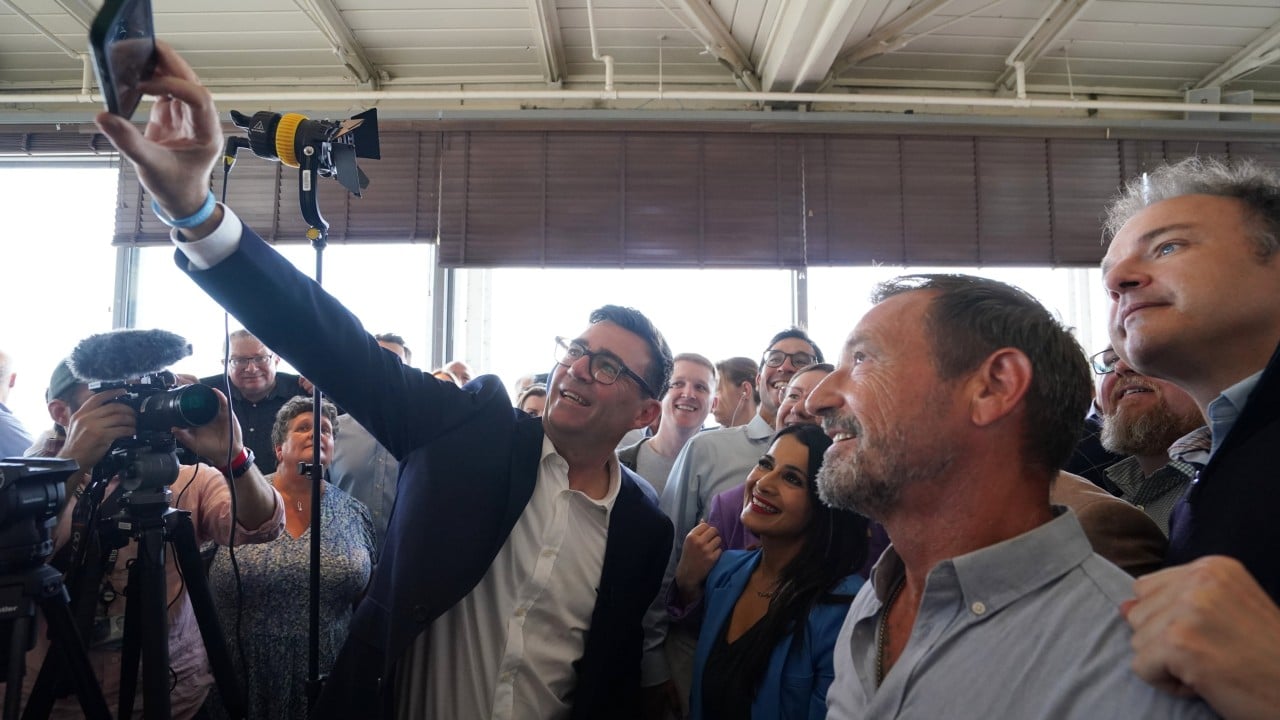
You don't get a honeymoon period when you take over Number 10 during a shooting war. Andy Burnham, fresh from his victory in the Labour leadership transition, is finding this out the hard way. He hasn't even unpacked his boxes, and yet he’s staring down the barrel of a major geopolitical crisis.
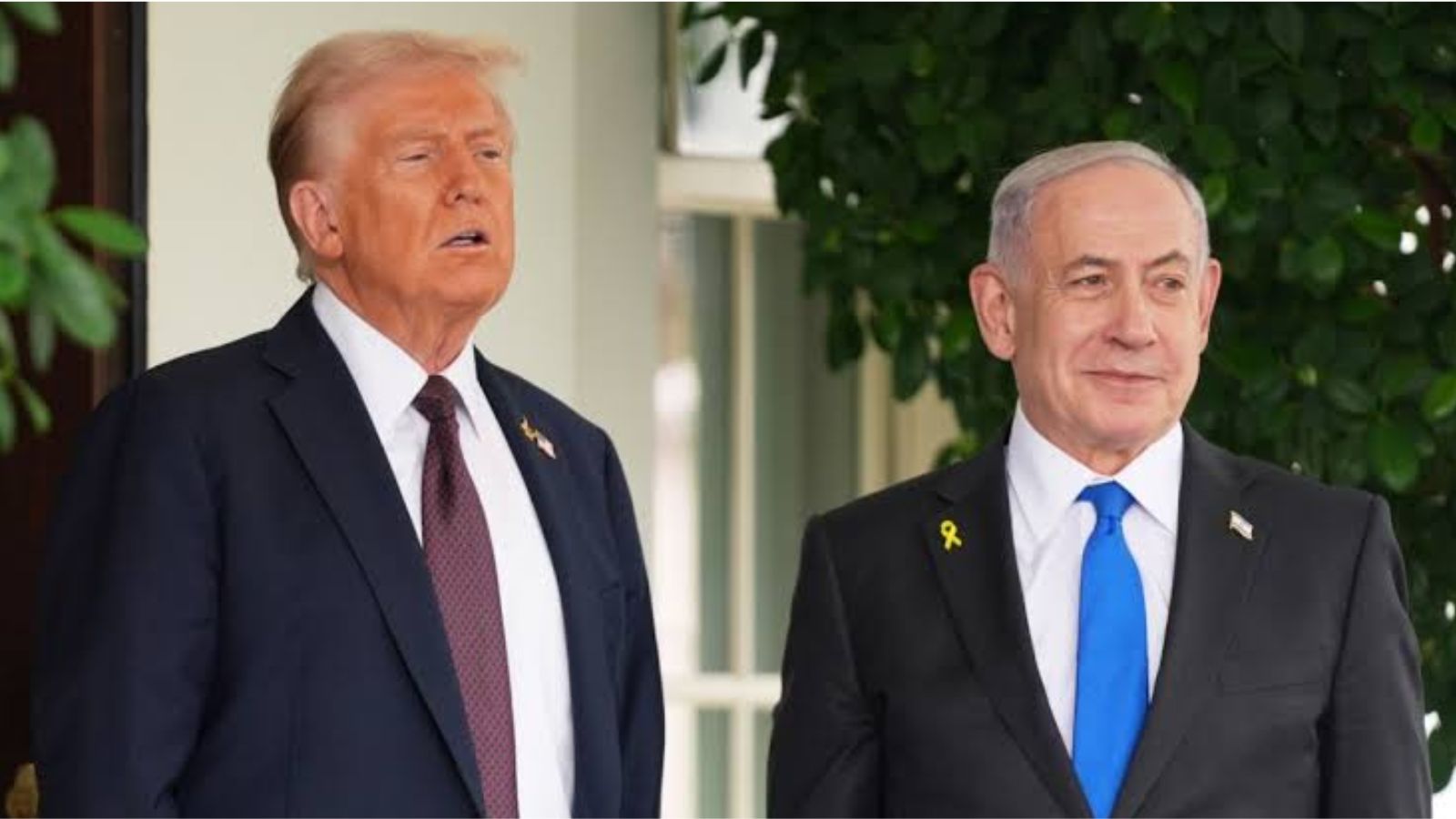
Donald Trump is back in the White House and currently pounding Iran with airstrikes, hitting civilian infrastructure and pushing the Middle East into chaos. Now, Washington wants total access to British military installations—specifically RAF Fairford and the sovereign base areas on Cyprus—to keep the bombers flying.
This isn't a theoretical exercise. It's a day-one crisis that will define Burnham's premiership. Keir Starmer spent his final weeks in office performing a miserable legal tightrope walk, initially telling Trump "no" before quietly buckling and allowing "defensive" operations from UK soil. Trump was furious about the initial hesitation, publicly complaining that the UK didn't move fast enough.
Now the pressure is entirely on Burnham. Does the former Greater Manchester mayor stand up to an erratic American president, or does he hand over the keys to British runways and risk dragging the UK into an illegal regional war?
The trap Keir Starmer left behind
To understand the mess Burnham is inheriting, you have to look at the fiction Starmer tried to sell. When the US and Israel launched their massive joint airstrikes against Iran on February 28, London panicked. Starmer tried to draw a line in the sand: no British bases for offensive strikes.
Then reality hit. Iran retaliated, and a drone slammed into a British military outpost on Cyprus. Suddenly, the "not our war" argument evaporated. By March 1, Starmer changed his tune, granting the US permission to use RAF Fairford and Diego Garcia, but under a strict legal caveat. The bases could only be used for "collective self-defence" to intercept missiles and drones targeting regional allies.
It’s a distinction that exists only on paper. Think about it. If an American B-52 takes off from Gloucestershire, flies into the theater, and drops ordnance, do you really think Tehran cares about the British Attorney General’s legal footnotes? The United Nations Definition of Aggression is pretty clear: if you let another state use your territory to launch an attack, you’re playing with fire. Chatham House experts have already warned that this legal gymnastics completely blurs the line between self-defense and total participation in the war.
Trump does not care about British legal nuance
If Burnham thinks he can sit down with Trump and explain the fine points of international law, he's dreaming. Trump has already shown deep contempt for London’s hesitation. He openly mocked Starmer for taking "far too much time" to approve base access and even threw a tantrum over the Chagos Islands sovereignty deal.
Trump's goal in Iran isn't a neat, surgical intervention. He’s flailing. The 60-day memorandum of understanding he boasted about in June collapsed instantly. His wider strategic goals—destroying Iran’s nuclear program, removing the regime, and securing the Strait of Hormuz—are completely stuck. So, he’s doing what he always does: doubling down on daily bombing runs and targeting civilian infrastructure.
This places the UK in a terrible spot. If Burnham continues to let the US use UK facilities like RAF Akrotiri in Cyprus or Fairford for these expanding operations, Britain becomes legally and morally complicit in strikes that violate international law. If he revokes access, Trump will likely turn the diplomatic relationship into scorched earth.
Why the regional stakes are a nightmare for London
The domestic blowback is only half the problem. The wider threat is what happens to British assets abroad. There are roughly 300,000 British nationals living and working across the Middle East, and the government is already drawing up mass evacuation plans.
Look at Cyprus. The Republic of Cyprus was furious when Starmer allowed RAF Akrotiri to be used without warning them, especially after the Iranian Revolutionary Guard Corps (IRGC) explicitly threatened the island with further strikes. Burnham isn't just managing a relationship with Washington; he’s managing an immediate physical threat to British soldiers and sovereign territory in the Mediterranean.
Furthermore, regional Arab states that host US bases are terrified of being sucked into the conflagration. Many of them have strictly forbidden the US from launching offensive sorties from their soil. If Gulf states are saying no to protect themselves, why should Britain say yes and volunteer to be Trump’s launching pad?
Burnham first real move
Burnham has spent years focusing on domestic policy, building a brand as the champion of local devolution and public services in Manchester. His instincts are entirely focused on fixing Britain's internal rot. But the prime minister's office demands a brutal pivot to foreign policy on day one.
He claims he plans to be "upfront" with the US president. That sounds great in a press release, but upfront doesn't stop a Tomahawk missile. The new PM needs to establish clear, unshakeable red lines immediately before the US military machine completely co-opts British sovereignty.
First, Burnham must demand an immediate audit of every single US sortie originating from RAF bases. The "defensive strike" loophole needs to be tightly policed. If an American aircraft utilizes British fuel or runways to hit civilian targets or infrastructure inside Iran, that permission must be revoked on the spot.
Second, he has to coordinate directly with European and regional allies who are equally horrified by Trump's directionless bombing campaign. Britain cannot afford to be isolated as America’s sole enabler in Europe. Burnham needs to use the upcoming days to quietly align with regional partners, making it clear that London will not support an endless war of attrition that destroys global energy markets and defies international law. It’s time to stop worrying about Trump's temper and start worrying about British complicity.