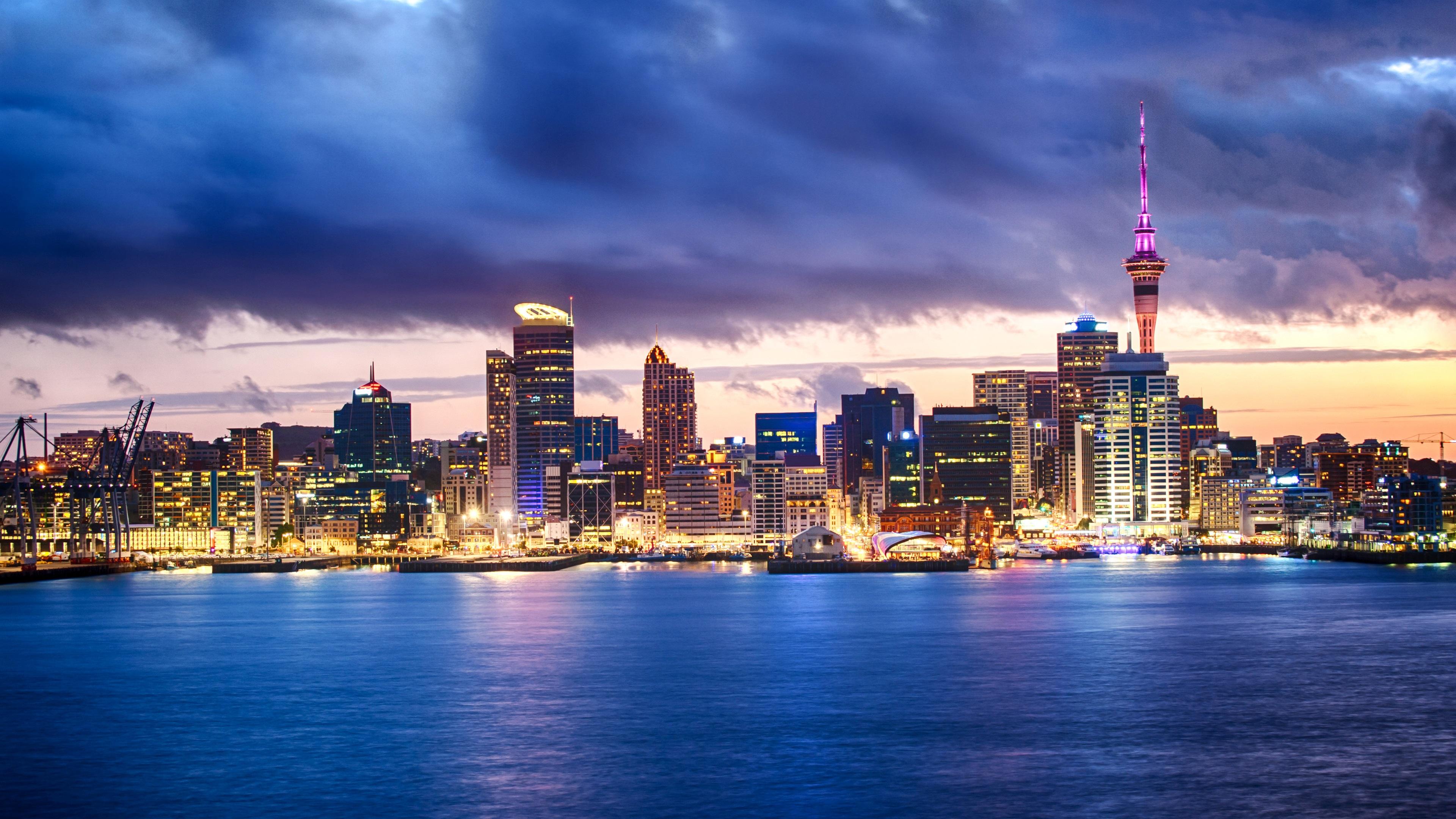
Every urbanist publication on earth ran the same lazy victory lap. They pointed to Auckland, New Zealand, whispered sweet nothings about the Unitary Plan of 2016, and declared that a simple stroke of a zoning pen solved the global housing affordability nightmare. They claimed that upzoning three-quarters of the city triggered a construction boom that miraculously tamed prices.
It is a comforting fairy tale. It is also entirely false.
I have spent the better part of a decade watching municipal governments attempt to paper over structural economic failures with zoning paperwork. Auckland did not crack the code. The city simply substituted one form of dysfunction for another while standard market metrics masked the underlying rot. If you look past the self-congratulatory policy briefs written by bureaucrats who want a promotion, the reality is stark. Auckland remains one of the least affordable places on the planet to buy a roof over your head.
Let us dismantle the myth.
The Zoning Fallacy That Fooled Urban Planners
The core argument of the mainstream narrative goes like this: Auckland eliminated exclusionary single-family zoning across vast swaths of the metro area. Developers built tens of thousands of new townhouses on old quarter-acre lots. Supply increased. Therefore, prices stabilized.
This argument relies on a fundamental misunderstanding of how capital actually flows into urban land markets.
When you upzone a city overnight, you do not instantly create housing for the poor. You create a speculative frenzy for land. Every homeowner sitting on a tired bungalow in Mount Albert or Point Chevalier suddenly realizes their patch of dirt is a lottery ticket. Land values do not drop when you allow higher density; they skyrocket because the ceiling on potential future revenue just vanished.
Developers are not charities. They do not buy expensive upzoned land to build low-cost shelters for minimum-wage workers. They build high-margin, architect-designed terraced townhouses aimed squarely at wealthy downsizers and speculative investors. The statistical bump in building consents mostly reflects this townhouse boom, which feeds the middle-to-upper tier of the market while leaving first-home buyers fighting over scraps.
The data proves the point. Price-to-income ratios in Auckland remain utterly detached from economic reality. Rent burdens consume a crushing share of working-class paychecks. Calling this a solved crisis is like telling a man dying of dehydration that he is fine because you replaced his well water with a very expensive bottle of imported sparkling water.
The Infrastructure Trap Nobody Wants to Talk About
Here is the dirty secret of densification without capital investment: pipes break.
When planners densify a sprawling colonial-era city layout without rebuilding the subterranean skeleton first, you run headfirst into physical limits. Auckland water infrastructure is ancient, brittle, and chronically underfunded. Squeezing four townhouses onto a plot previously serviced by a single sewer pipe designed in the Eisenhower administration works right up until the point the street floods with raw sewage during a heavy storm.
Municipal budgets cannot keep pace with the sudden private-sector demand for connections. When developers shift the cost of growth onto the broader ratepayer base, local taxes rise to cover the shortfall. Higher rates eat directly into housing affordability, canceling out any marginal price relief supposedly generated by the new supply.
You cannot zone your way around physics. If the roads are clogged, the water mains are crumbling, and the electrical substations are maxed out, throwing up more townhouses just creates vertical traffic jams.
What Actually Moves the Needle
If you want to understand how to fix urban housing, you have to look past zoning textbooks and study capital allocation, taxation, and state capacity.
First, stop relying exclusively on private developers to solve a public market failure. Private capital goes where the margins are highest. If construction costs driven by material monopolies and restrictive import standards remain through the roof, private builders will only target luxury segments. New Zealand has one of the most consolidated building supply duopolies in the developed world. Until you break that structural cartel, builders will pay ransom prices for drywall and framing timber, passing every dollar straight down to the buyer.
Second, rebalance the tax code. New Zealand famously lacks a comprehensive capital gains tax and stamp duty structure, making residential real estate the default playground for domestic tax-advantaged speculation. When housing is treated as a tax-preferred wealth-generation vehicle rather than a utility, no amount of townhouses will satisfy investor demand. You can pave every green space from North Shore to Manukau with multi-family units, but if every single one of them gets scooped up by leveraged landlords looking for tax shields, affordability stays dead.
The Cost of Convenient Lies
It feels good to believe in silver bullets. It is much easier for urban planning departments to publish a glossy report claiming victory than it is to tackle tax reform, break up building supply monopolies, and fund massive public infrastructure directly.
Auckland did something bold with its planning rules in 2016. Credit where it is due: removing absolute exclusionary zoning was a necessary step. But calling it a solved crisis is intellectually dishonest. It covers up the persistent misery of young families locked out of ownership and distracts policymakers from the structural surgeries that actually matter.
Stop looking for shortcuts in zoning amendments.
The crisis persists because we refuse to fight the real battles.