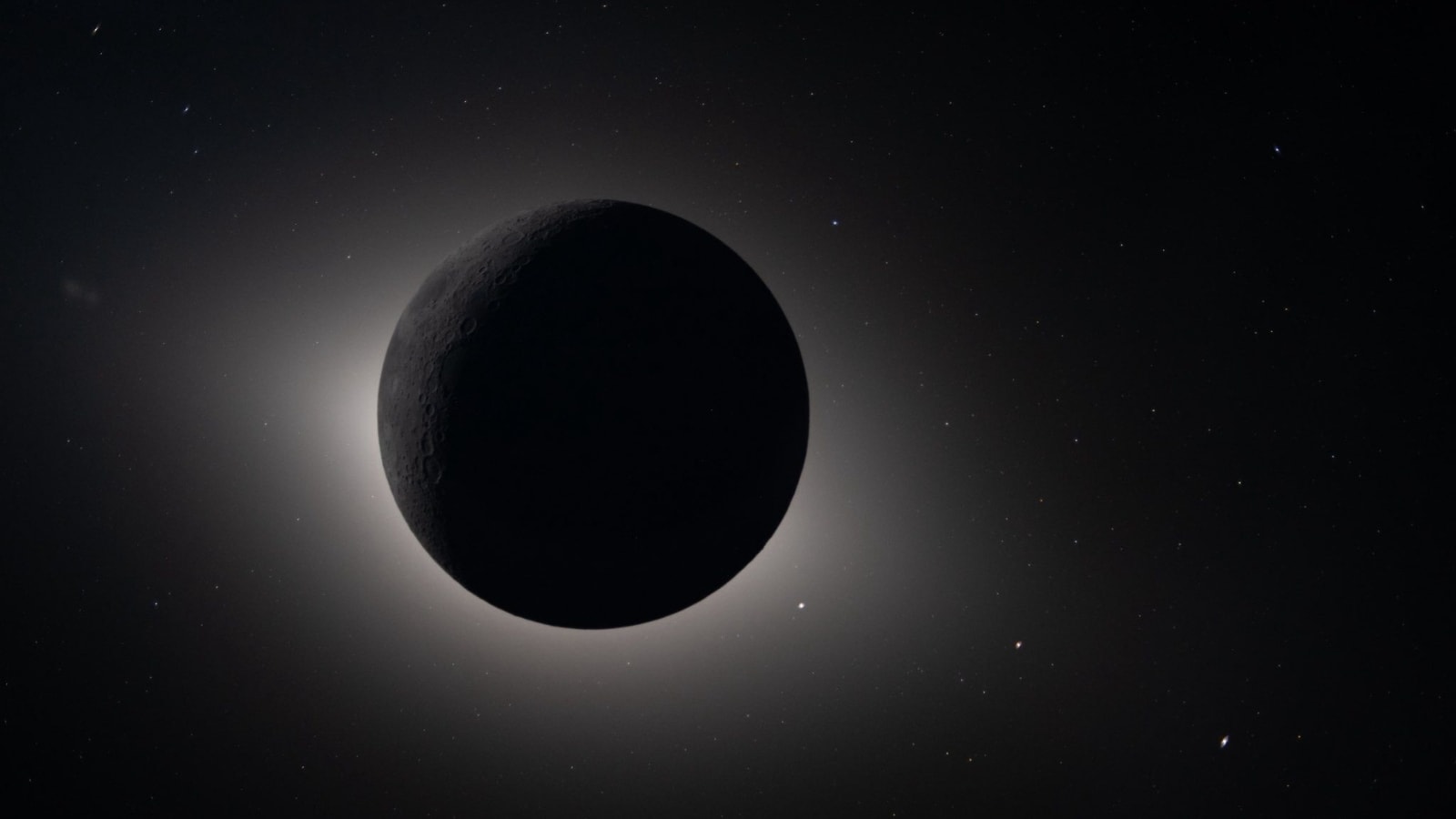
On August 12, 2026, the lunar shadow will sweep across the Earth, delivering a total solar eclipse to parts of Greenland, Iceland, northern Russia, and Spain, while millions across North America and Europe watch a partial phase. For those stationed within the path of totality, the main show begins at 15:34 GMT as the umbra races across the globe, bringing up to two minutes and eighteen seconds of complete darkness.
Journalists love a simple schedule. Tell people the exact minute the sky goes black, slap a countdown timer on a webpage, and watch the traffic roll in. But astronomical mechanics do not care about tidy schedules or convenient tourist itineraries.
The Physics of the Shadow Path
The lunar umbra is not a spotlight; it is a high-speed projectile of absolute shadow slashing across an uneven, rotating globe. When it touches down in eastern Greenland and western Iceland during the late afternoon, the geometry of the Earth causes the shadow to stretch.
By the time the umbral footprint reaches the Iberian Peninsula late in the evening, the geometry shifts dramatically.
"Most eclipses happen when the sun sits high and proud at midday," notes an orbital mechanic who tracks lunar ephemeris data. "This one crashes into the atmosphere right as the sun is dropping toward the ocean. That changes everything about how you measure visibility."
In northern Spain, the total phase occurs mere minutes before sunset. This creates a rare horizon eclipse, turning the corona into a sideways halo against a twilight canvas. It also introduces a brutal vulnerability for observers.
The Sunset Variable
If you are standing in Bilbao, Zaragoza, or a coastal ridge in Iceland, your biggest enemy is not cloud cover alone; it is the atmospheric thickness at low elevation.
Looking at the sun near the horizon means your line of sight cuts through a massive column of tropospheric dust, moisture, and local weather patterns. A thin haze that would be invisible during a high-noon eclipse can completely obliterate a sunset corona.
Furthermore, the duration of totality shrinks rapidly depending on your exact offset from the center line. Move even a few kilometers outside the core band, and the total blackout evaporates into a 99 percent partial squeeze.
You either sit in the bullseye, or you miss the crown jewel entirely.
The Partial Eclipse Illusion
For observers outside the path of totality—including parts of the northern United States, Canada, and the broader European continent—the experience is fundamentally different.
In Maine or Alaska, the moon will take a distinct bite out of the solar disk during the morning or early afternoon hours. In major urban centers across the UK and western Europe, daylight will dim noticeably, and shadows will sharpen into strange crescent shapes.
Yet, public safety officials are bracing for a wave of retinal injuries.
The human eye does not register ambient infrared radiation the same way it reacts to visible glare. When the sky turns an eerie, bruised twilight grey, the pupillary reflex fails to constrict properly.
Without certified ISO 12312-2 filters, watching the partial stages of this event invites permanent thermal retinal damage.
Camera lenses, telescopes, and binoculars require front-mounted objective filters. Improvised sun-viewing hacks remain dangerous myths.
Logistics and the Crowded Horizon
Hotels in northern Spain and western Iceland booked out months in advance. Astrotourism has matured into a multi-million-dollar industry, pitting casual travelers against seasoned chasers who check meteorological satellite feeds hourly.
The August 12 event also shares calendar space with the peak of the Perseid meteor shower, creating a back-to-back celestial double-feature that will strain local infrastructure in prime dark-sky zones.
The math of the cosmos is precise, but human infrastructure is messy.
Check your coordinates, secure your optical filters, and remember that when the shadow moves, it waits for no one.