The Lazy Consensus on Balochistan
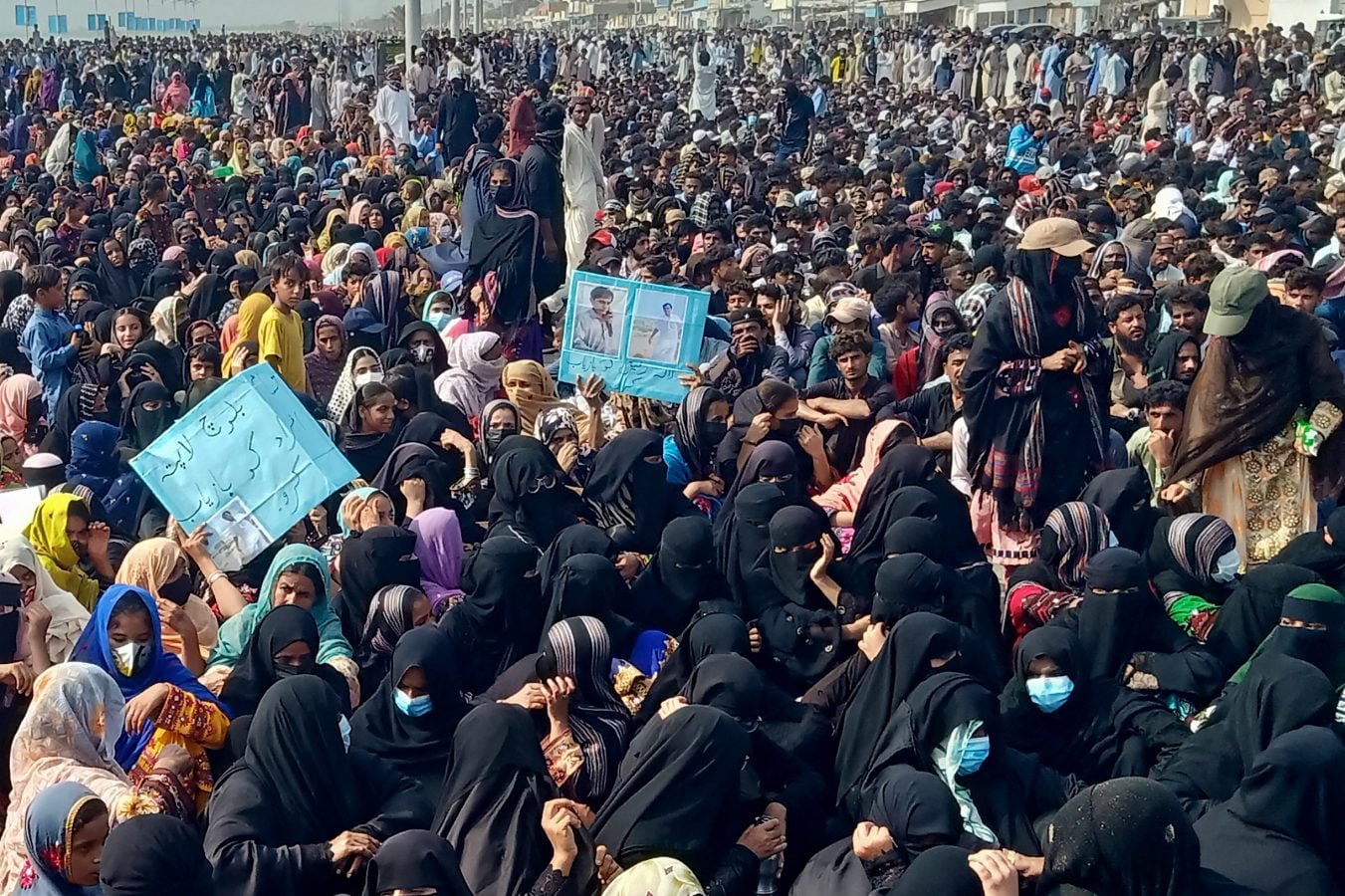
Standard media coverage regarding Balochistan follows a predictable, tired script. Every time the Baloch Yakjehti Committee aligns with the Balochistan National Party for demonstrations, headlines default to a single, monolithic narrative: state repression versus local grievance.
It is a clean story. It is an easy story. And it is entirely incomplete.
If you read typical reports, you are meant to believe that the friction in Pakistan's largest province boils down purely to political crackdowns and administrative heavy-handedness. This perspective treats a complex web of geopolitical leverage, historical resource extraction failures, and regional proxy dynamics as a simple civil rights dispute. That framing is lazy, and worse, it completely blinds observers to what is actually happening on the ground.
I have spent years analyzing resource corridors and sub-national insurgencies across South Asia. I have watched analysts miss the forest for the trees because they rely on press releases instead of tracking capital flows, trade routes, and structural economic isolation.
The real story of Balochistan is not just about protests on a highway or arrests in Quetta. It is about an economic paradox: a region sitting atop billions in mineral wealth and strategic coastline potential where the local population remains structurally excluded from the balance sheet.
Follow the Infrastructure Not the Rhetoric
To understand why these coalitions form and why state reactions take the form they do, you have to look past the superficial slogans. Strip away the press statements from both the activists and the official apparatus. What remains? Megaprojects.
The China-Pakistan Economic Corridor positions Gwadar Port as the crown jewel of regional connectivity. Billions were earmarked to transform a sleepy fishing village into a global transshipment hub. The premise sold to the public was simple: massive infrastructure brings prosperity, jobs, and development.
Reality refused to cooperate.
When deep-water ports are dropped into underdeveloped regions without a localized economic buffer, they act as enclaves. They are high-security bubbles connected to global supply chains, completely detached from the hinterlands surrounding them. The local population watches heavy machinery carve up their coastline, while freshwater and electricity remain scarce commodities in Gwadar itself.
This disconnect is the actual fuel powering the Baloch Yakjehti Committee and the Balochistan National Party joint mobilizations. It is an economic rebellion disguised as a standard political standoff. When communities feel like extraction zones rather than stakeholders, mobilization becomes inevitable.
The State Security Trap
The conventional response from federal authorities has been predictable. Whenever economic anxiety manifests as mass civil disobedience, the default playbook relies on administrative containment, internet blackouts, and targeted arrests.
This is a catastrophic strategic error.
By treating economic marginalization as a law-and-order emergency, the state achieves the exact opposite of its stated goal. It validates the grievances of activist groups, internationalizes local friction, and transforms peaceful economic protests into ideological martyrdom.
Imagine a corporate board managing a multi-billion dollar asset by firing security guards at the local community every time workers ask for a transparent ledger. That is essentially how regional governance is handled in Balochistan. Every crackdown hardens ideological lines, turning moderate organizers into entrenched symbols of resistance.
The state's defensive crouch stems from fear of regional fragmentation. Balochistan shares porous borders with volatile neighbors, and Islamabad views any mass mobilization through a national security lens. But this paranoia creates a self-fulfilling prophecy. By militarizing the response to civil unrest, the state ensures that the economic dialogue is permanently drowned out by security rhetoric.
Dismantling the Victimhood Monopoly
To be brutally honest, we also have to dismantle the romanticized tropes often pushed by external commentators regarding local political actors.
Opposition parties and activist platforms in the province are not immune to internal contradictions. Too often, political elites leverage genuine grassroots frustration for electoral positioning or leverage against federal power centers, without offering a viable, scalable economic alternative of their own.
Protests demand jobs, resource control, and freedom of movement. Those are entirely legitimate demands. But calling for resource sovereignty without a realistic blueprint for capital integration, fiscal federalism, and regional security leads straight to an economic dead end. Simply shouting about resource theft does not build a refinery, construct a supply chain, or train local engineers to manage complex trade hubs.
The hard truth is that both sides are trapped in a low-trust equilibrium. The center believes that loosening control invites chaos. The periphery believes that federal presence equals exploitation. Until someone breaks that cycle by changing the fundamental economic model from extraction to partnership, the protests, the crackdowns, and the stalemate will repeat ad nauseam.
The Metrics That Actually Matter
If you want to gauge where Balochistan is heading, stop reading protest casualty counts and start looking at structural economic indicators.
Track the local employment percentages in federal megaprojects. Track the distribution of energy resources generated within the province versus what is retained locally. Track the allocation of educational funds toward technical and vocational training tailored to modern port and mineral economies.
These metrics tell the true story of whether tension will escalate or dissipate.
The current trajectory is unsustainable. A nation cannot police its way into economic stability, and a region cannot protest its way into prosperity. The path forward requires abandoning the lazy narrative of pure oppression versus pure rebellion, and facing the messy, unglamorous math of equitable resource sharing.
Stop treating Balochistan as a security perimeter. Start treating it as an economic partner. Until that shift happens, every protest will just be another warning siren that the establishment refuses to hear.

:max_bytes(150000):strip_icc()/lake-mead-173940030-5c25228846e0fb00014e8584.jpg)
