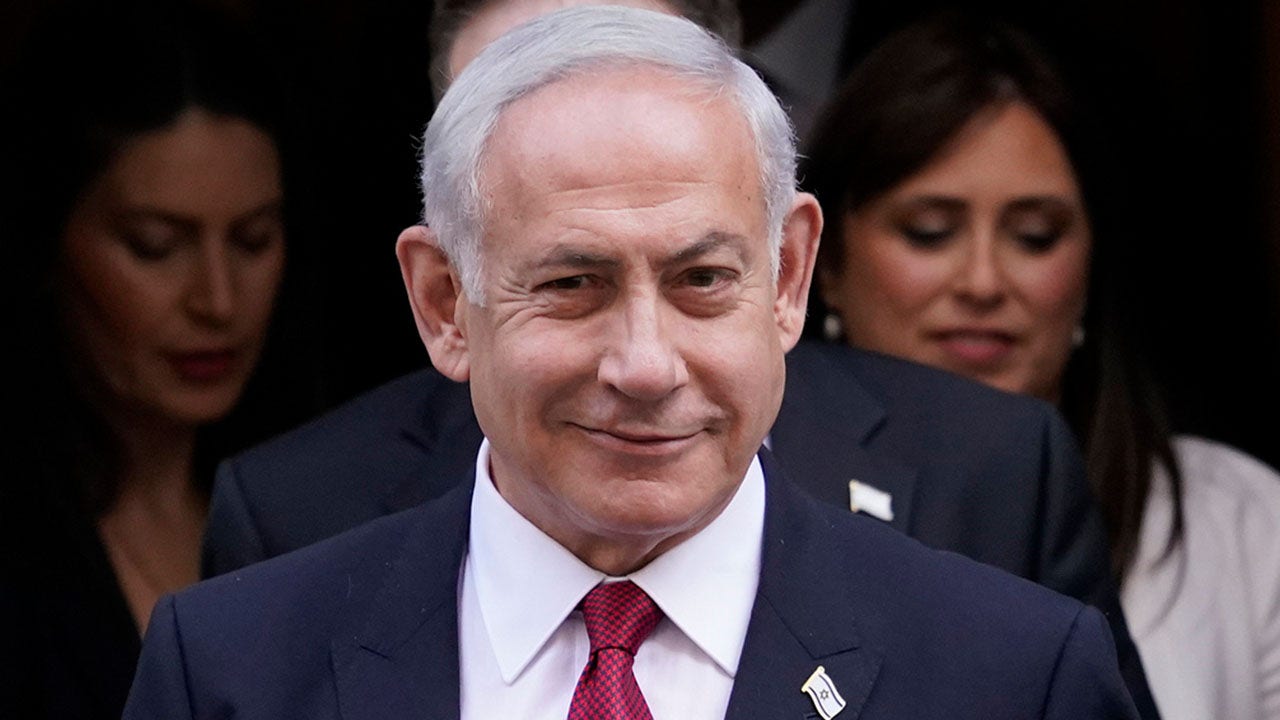
The sight of a sitting prime minister appearing as a defendant in a corruption trial is rare. It is even rarer when that prime minister manages to push back his own testimony repeatedly. Benjamin Netanyahu is currently navigating a high-stakes legal battle while managing a war with Iran. He has once again requested a delay for his testimony, citing security and diplomatic concerns.
For many observers, this isn't just about scheduling conflicts. It's become a recurring theme. The Jerusalem District Court has been forced to grapple with these requests time and again. While the court has granted some, it’s far from a rubber-stamp process. Understanding why these delays happen—and why they spark such fierce debate—requires looking past the headlines and into the mechanics of Israel’s legal system. For a closer look into similar topics, we suggest: this related article.
The logic behind the security defense
When Netanyahu’s legal team argues for a delay, they aren't just citing a busy calendar. They point to real, tangible risks. In mid-April 2026, as the dust settled after a surge in regional hostilities, his defense centered on the danger of being pinned to a specific, pre-announced location. The argument from the Shin Bet—the security agency responsible for his protection—is that keeping a prime minister in one spot for an extended period creates a clear target for hostile actors.
This isn't purely theoretical. The intelligence community has expressed legitimate concerns about the threat level following the intense friction with Iran. If you're a critic of the Prime Minister, it's easy to view this as a stall tactic. If you're a security professional, it’s a standard operating procedure for a high-value target. The court is caught in the middle. It has to balance the public's right to see justice served with the state's obligation to keep its leader alive. To get more background on this development, in-depth analysis can be read on USA Today.
The state prosecutor's perspective
The State Attorney’s Office hasn't exactly been rolling out the red carpet for these requests. Prosecutors frequently oppose the delays, arguing that the judicial process shouldn't be secondary to the Prime Minister’s agenda. From their point of view, the court has already accommodated years of interruptions.
The case against Netanyahu is complex. It involves three distinct files—Cases 1000, 2000, and 4000—covering allegations of bribery, fraud, and breach of trust. These aren't new accusations. They’ve been circulating since 2019. The sheer length of this trial means that every delay feels magnified. It keeps the public, the political class, and the judiciary in a state of suspended animation.
Beyond the courtroom drama
Why does this matter so much? It’s not just about one man. The ongoing trial has deep implications for Israeli politics. The debate over these delays has become a proxy for the broader, long-standing rift over judicial authority. When the government attempted to push through changes to the court system in 2023, the underlying tension was clear. Many opponents argued that the reforms were aimed at neutralizing the judiciary, while supporters insisted the court had overstepped its bounds.
This trial serves as a constant reminder of that friction. Every time a testimony is canceled, it reinforces the narrative for both sides. Supporters see a leader fighting against a system they believe is biased. Opponents see a leader using every tool at his disposal—including the security apparatus—to avoid accountability.
What happens when the court refuses
The court doesn't always cave. There have been instances where judges told the defense to keep the schedule moving. The pressure on the bench is immense. Judges have to maintain the integrity of a case that has been hindered by a global pandemic, regional conflicts, and repeated shifts in national priorities.
If you’re looking for a clear resolution, you won't find one today. The process is likely to stretch on. Appeals are almost guaranteed regardless of the verdict. We are looking at a legal saga that could easily drag into 2027 or beyond.
Moving forward
The pattern is likely to continue for as long as regional instability persists. Expect the legal maneuvering to remain a fixture of the daily news cycle. As it stands, the defense will keep filing requests, the prosecution will keep resisting, and the court will continue to weigh security reports against the need for legal progress.
If you want to track where this goes, focus on the specific orders from the Jerusalem District Court rather than the public statements from politicians. The court is the only place where the actual timeline is decided. Watch for the court to set firm, non-negotiable dates that force the defense to prioritize their arguments. Until then, anticipate more back-and-forth as both sides hold their ground.