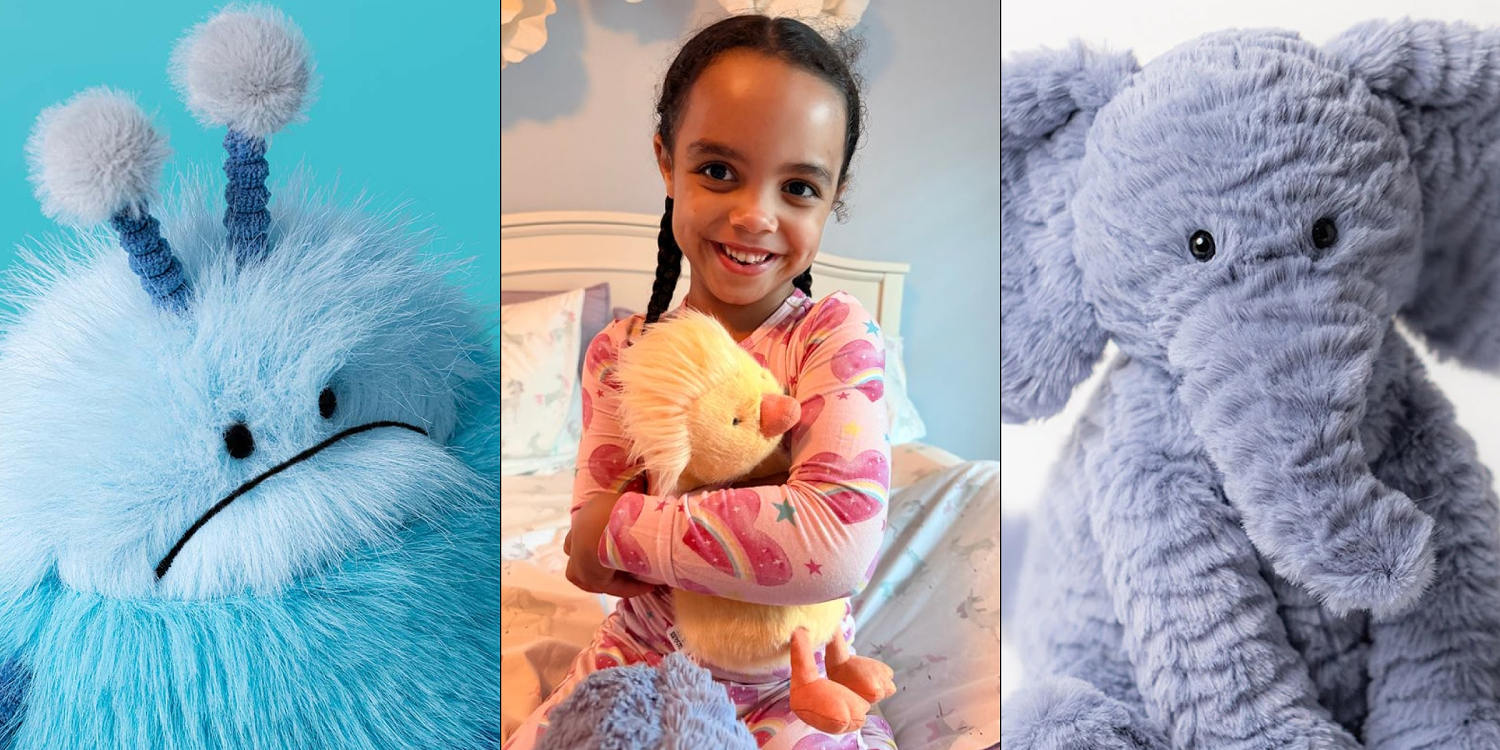
Adults are spending small fortunes on stuffed animals. Jellycats are everywhere, sitting on office desks, peering out from luxury handbags, and commanding secondary market prices that rival designer streetwear.
Are Jellycats actually worth the high price tag, or is this simply a masterclass in modern consumer manipulation?
For anyone weighing a purchase, the short answer is that you are paying for manufacturing precision, emotional comfort design, and an airtight scarcity model rather than raw materials. The plush toy market has undergone a radical transformation. Adults now make up a massive portion of the buying demographic for items traditionally marketed toward toddlers. Understanding why requires looking past the cute faces and examining the precise business machinery driving the phenomenon.
The Manufacturing Anatomy of a Luxury Plush
Walk down any toy aisle and you will find mass-market plushies made from synthetic fibers that mat after a single trip through a washing machine. Jellycat took a entirely different route when the company launched in London back in 1999. Brothers William and Thomas Gatacre approached soft toys through the lens of tactile design rather than cheap novelty.
The secret lies in the pile density and fiber weighting. Most commercial plush toys use polyester strands cut to uniform lengths. Jellycat sources specialized acrylic and polyester blends that mimic the tactile feedback of real fur without using animal products. When you touch a Bashful Bunny, the fibers do not just feel soft; they compress and spring back with a distinct resistance designed to trigger sensory relaxation.
Consider the internal weighting. Many models include polyethylene pellets sealed inside fabric pouches at the base and paws. This distribution creates a satisfying heft. It simulates the physical grounding effect often associated with weighted blankets.
Production costs for these materials run significantly higher than standard department store alternatives. Factories in Indonesia and China must adhere to strict stitching tolerances. A loose seam ruins the illusion of a premium collectible.
This manufacturing standard explains the baseline expense. You are buying an engineered sensory object.
The Adult Consumer Psychology Shift
Cultural anxiety fuels the plush market. Modern adults face chronic burnout, economic instability, and digital exhaustion. When the external world feels completely unpredictable, tactile comfort becomes a primary coping mechanism.
Psychologists refer to this as regression comfort. Engaging with soft, nostalgic items allows the nervous system to bypass complex cognitive stress and return to a state of perceived safety. The phenomenon accelerated dramatically during the pandemic era. Adults confined to isolated living spaces sought physical comfort wherever they could find it.
Jellycat capitalized on this shift by refusing to infantize their audience. They did not market exclusively to children. Instead, they built an aesthetic that sits comfortably on a minimalist Scandinavian bookshelf or next to a laptop in a corporate co-working space.
By designing quirky food characters—such as a delightfully grumpy croissant, a plush coffee cup with corduroy legs, and a miserable-looking boiled egg—they tapped into self-aware internet humor. Millennials and Generation Z bought them not just for comfort, but as miniature extensions of their personal brand. Owning a melancholic piece of toast communicates a specific type of internet-native irony.
The Artificial Scarcity Engine
You cannot talk about the Jellycat craze without examining the retail architecture. The brand employs a brilliant retirement strategy that turns everyday shopping into a high-stakes hunt.
Designs rotate out of production regularly. When a specific line enters the retired archive, secondary market prices on platforms like eBay and Mercari skyrocket. A standard medium bunny might cost thirty dollars retail, but a discontinued dragon or a hard-to-find seasonal release can command hundreds.
Retail partners play a massive role in maintaining this exclusivity. You rarely find Jellycats in discount bin retailers. They occupy shelf space in high-end boutiques, museum gift shops, and upscale department stores like Selfridges and Nordstrom. This retail placement elevates the perceived value of the product. It ceases to be a toy and becomes a boutique lifestyle accessory.
The company also releases seasonal drops in tight windows. Collectors camp outside flagship stores or refresh browser tabs the moment a new collection goes live. This mirrors the drop model perfected by streetwear giants like Supreme.
The Downside and the Counter Argument
Not everyone is convinced by the hype. Critics point out that despite the superior materials, a stuffed animal remains an inert piece of fabric that collects dust.
At thirty to fifty dollars for a medium-sized toy, the cost per ounce of material is staggering. Traditionalists argue that consumers are paying a massive luxury tax purely for the brand tag stitched into the side. Furthermore, the rapid expansion of the brand risks diluting its niche appeal. As every trendy coffee shop and bookstore stocks the displays, the initial feeling of discovering a hidden gem fades.
There is also the sustainability paradox. The brand creates millions of synthetic plastic-based items designed to sit permanently on shelves or end up in landfills if consumer tastes shift. While the company has made strides in packaging reduction, the core product relies heavily on virgin polyester. For environmentally conscious shoppers, buying more plastic-based plush toys directly contradicts a minimalist or zero-waste ethos.
Evaluating the Investment
If you view a Jellycat as a financial investment, you are likely to be disappointed. While rare retired pieces hold or increase their value, the vast majority of plush toys depreciate the moment you cut the tag off.
If you view the purchase as an emotional investment in daily comfort and tactile joy, the math changes. The build quality ensures that a well-maintained plush will survive years of handling without losing its shape or softness.
The obsession is unlikely to vanish overnight. As long as modern life remains stressful and digital, the market for physical, comforting absurdity will thrive. The true value of a Jellycat is not found in the thread count or the pellets in its paws. It is found in the fleeting, quiet moment of relief it provides when you pick it up at the end of a long day