Red tape kills faster than smoke.
Every time a crisis hits, the institutional playbook rolls out the exact same predictable response: punish the person who actually solved the problem while rewarding the committee that sat on its hands. When independent operators step up to save trapped livestock during fast-moving wildfire threats, they violate rigid protocols. Then the establishment steps in with citations, hand-wringing, and stern warnings about unauthorized intervention.
This is backward. The lazy consensus argues that unauthorized rescue attempts create chaos, endanger emergency personnel, and liability insurance nightmares. That perspective protects institutions at the expense of breathing, sentient animals. We need to stop penalizing competence under the guise of safety management.
The Myth of the Permitted Perimeter
Emergency management agencies operate under a comfortable fiction. The core assumption is that danger can be neatly mapped, cordoned off, and managed exclusively by credentialed professionals. If you do not possess the specific badge or clearance level, your instinct to act is framed as a reckless liability.
This model collapses the second a wildfire shifts direction in thirty-knot winds.
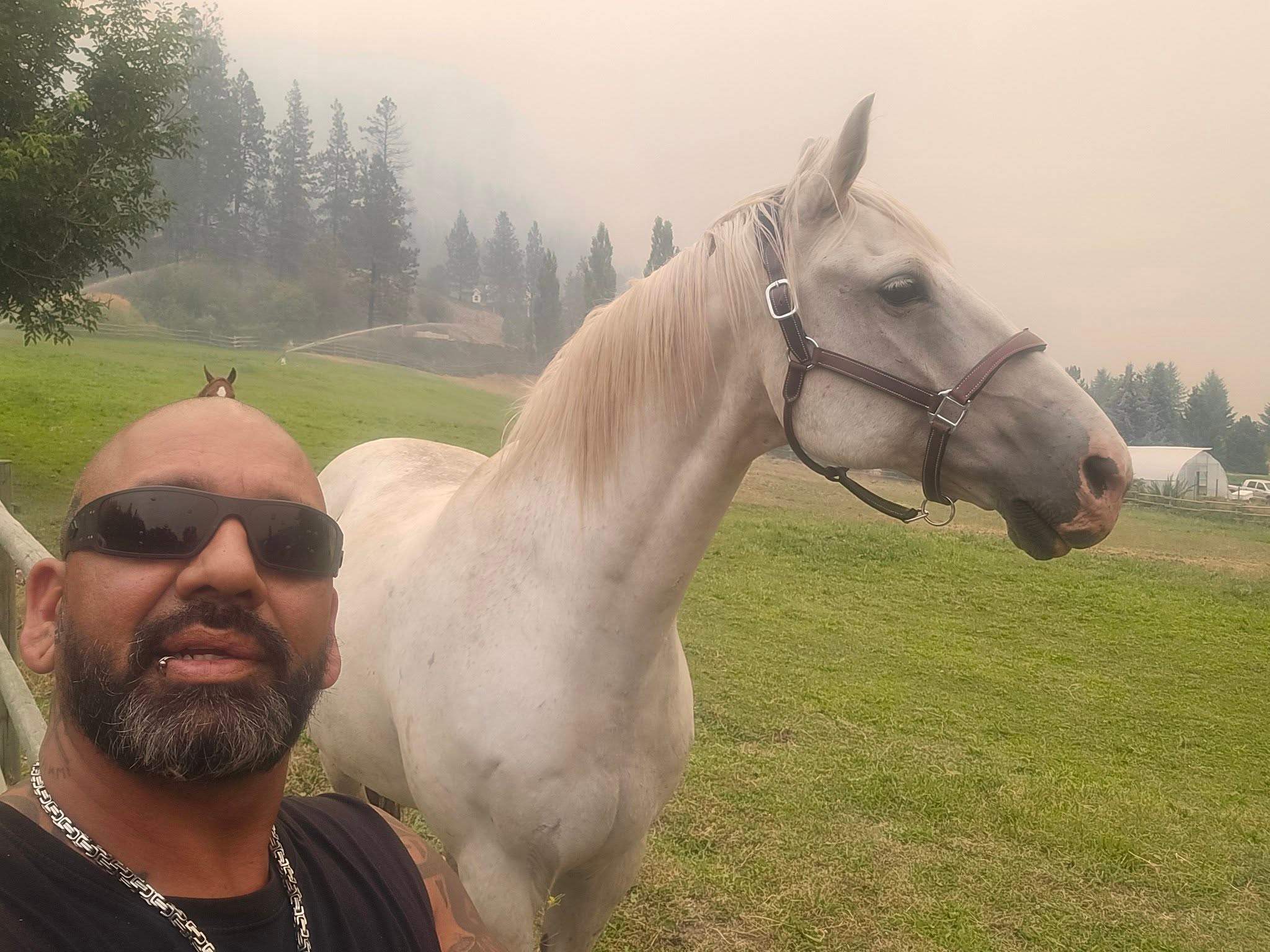
I have watched local response coordinators freeze for six crucial hours arguing over jurisdiction while pastures turn to ash. Real crises do not wait for paperwork to clear. When independent livestock haulers or local ranchers bypass barricades to pull cattle out of the path of a wall of flames, they are not breaking rules out of disrespect for authority. They are breaking rules because the rules were written by desk-bound administrators who have never smelled burning hair or watched animals panic in a smoke-choked corral.
"Protocol is a tool for normal operations, not an excuse for institutional paralysis during a catastrophe."
Why Bureaucracy Loves a Scapegoat
When a civilian steps outside official channels and succeeds, they expose a terrifying reality for municipal managers: the system is slow, bloated, and frequently incompetent at the ground level.
To preserve the illusion of absolute authority, the administration must discipline the rule-breaker. By focusing the narrative on procedural violations—entering an evacuation zone without a high-visibility vest, failing to check in at a command post, using a non-standard trailer configuration—the agency shifts public attention away from its own sluggish response times.
Consider the mechanics of large-scale animal evacuations.
- Time to mobilize a bureaucratic committee: Hours to days.
- Time for a localized wildfire to jump a firebreak: Minutes.
When you weigh these variables, punishing someone for taking initiative is not risk management. It is self-preservation for useless bureaucracies.
Redefining the Emergency Response Paradigm
We have confused compliance with capability. Having a laminated certification does not magically grant someone the physical skill required to load terrified livestock into a cramped trailer while embers rain down.
Effective disaster response requires decentralization. Instead of treating independent actors as criminal interlopers, emergency command structures should integrate local knowledge and autonomous capabilities immediately.
Imagine a scenario where regional fire commands maintain an active roster of vetted civilian haulers, local equipment operators, and rural volunteers before fire season even starts. Instead of locking down access roads with armed checkpoints and threatening fines, dispatchers could route local expertise directly to the danger zones under basic liability waivers.
Instead, the current approach relies on criminalizing initiative.
The Cost of Cowardice
Let us be completely transparent about the downsides of this contrarian view. Decentralized action introduces friction. Amateurs make mistakes. Uncoordinated movements can occasionally clutter narrow evacuation routes. These are legitimate concerns, not imaginary bugbears.
However, compare those friction points to the alternative: leaving thousands of head of livestock to suffocate or burn alive because a junior officer wanted to enforce a perimeter mandate. The calculus is not even close. The risk of occasional administrative friction pales against the certainty of mass mortality caused by institutional inaction.
The Uncomfortable Truth About Liability
The primary driver behind these crackdowns is not safety; it is litigation fear. Municipalities and provincial agencies live in terror of being sued if an unauthorized volunteer gets injured or damages property.
By labeling a livestock rescuer a rogue rule-breaker, the agency cleanly severs its own liability. They wash their hands of the outcome and point to the law code as their shield.
This is moral cowardice disguised as risk mitigation. If society prioritizes protecting government balance sheets over saving living creatures from agonizing deaths, our priorities are completely upside down.
Stop defending the system simply because it wears a uniform. The next time a crisis strikes and someone steps past the yellow tape to do what the professionals are too timid or slow to accomplish, do not ask what rules they broke.
Ask why the rules were standing in the way of saving lives in the first place.