The air inside an arena has a specific weight. It is thick with the scent of frozen water, expensive popcorn, and the collective breath of eighteen thousand people waiting for a reason to scream. At a New York Islanders game, that energy is usually channeled toward the rhythmic thud of a puck hitting the boards or the desperate hope of a playoff run. But on a recent night at UBS Arena, the atmosphere shifted. The tension didn't come from the scoreboard. It came from a flyer.
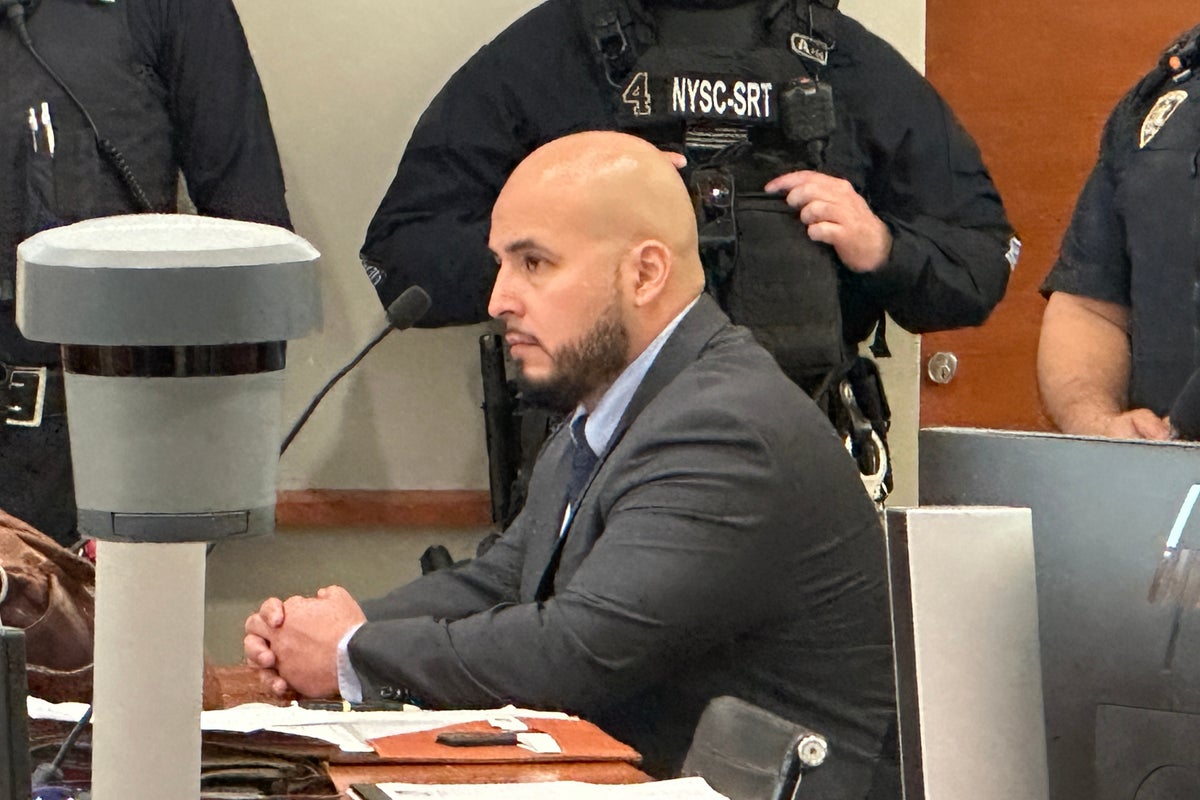
In the concourse, between the jersey stands and the beer taps, a promotion was quietly circulating. It wasn't for a local charity or a youth hockey league. It was a fundraiser for Peter Ganley, a former NYPD officer convicted of manslaughter.
To some, the flyer represented a "brotherhood" taking care of its own—a final line of defense for a man they believe was unfairly caught in the gears of a broken justice system. To others, it felt like a cold blade across an old wound.
The Ghost in the Arena
Consider the perspective of a family who sees that name on a promotional screen. For them, Peter Ganley isn't a "cause." He is the reason a chair sits empty at every Thanksgiving dinner.
The facts of the case are etched into the public record, yet they feel remarkably different depending on which side of the police tape you stand on. In 2021, Ganley, then an off-duty officer, was involved in a confrontation that ended in the death of a man. The legal proceedings were long, grueling, and ultimately resulted in a conviction. The court saw a crime. The officer’s supporters saw a tragic accident born from a split-second decision in a high-stress environment.
When a professional sports franchise—a pillar of community identity—becomes the backdrop for this kind of advocacy, the game stops being about sports. It becomes a referendum on whose lives we value most.
The Invisible Divide
The Islanders organization often positions itself as a family. In Long Island, that family has deep, inextricable roots in the law enforcement community. Walk through the parking lot before puck drop and you will see "Thin Blue Line" flags fluttering from the antennas of SUVs. For many fans, supporting the police isn't political; it’s a lifestyle, a lineage, and a point of pride.
But a hockey team is also a civic institution. It belongs to the entire city, including the families of those who have been harmed by the people meant to protect them.
When the victim’s family learned that their loved one’s death was being used as the catalyst for a "charity" night at the arena, the reaction wasn't just anger. It was a profound sense of erasure. It is one thing to lose a family member to violence. It is another to watch a stadium full of people cheer for the person who took them away.
The stakes here aren't financial. The money raised for Ganley’s legal fees or his family’s support is a drop in the bucket compared to the massive revenue generated by a single Saturday night game. The real currency is validation. By allowing the fundraiser to take place under the banner of a "Blue Line" event, the team effectively chose a side in a conflict that has no winners.
The Mechanics of Loyalty
Why does this happen? To understand the impulse, you have to look at the psychology of the "circle."
In high-stakes professions like policing or professional sports, the "us vs. them" mentality is a survival mechanism. It creates a bond so tight that even a felony conviction cannot break it. When Ganley’s supporters organized the event, they likely didn't see themselves as antagonizing a grieving family. They saw themselves as loyalists. They were manning the barricades for a fallen comrade.
But loyalty is a double-edged sword. When it is applied blindly, it becomes indistinguishable from complicity.
Imagine a hypothetical fan—let’s call him Marcus. Marcus grew up in Elmont, just a few blocks from the arena. He’s a lifelong fan who saved up for months to take his son to his first game. Marcus also happens to be a person of color who has spent his life navigating the complexities of urban policing. He walks into the arena expecting a night of escapism, only to be confronted with a fundraiser for a man convicted of taking a life in his own community.
For Marcus, the "Blue Line" isn't a symbol of safety. It’s a boundary. It’s a sign that tells him, "This space isn't actually for you."
The Silence of the Front Office
The most deafening part of the controversy wasn't the shouting on social media. It was the careful, sanitized silence from the organization itself.
Pro sports teams are masters of the non-statement. They often rely on "third-party organizers" to take the heat, claiming that the event was a private rental or a community-led initiative that they simply facilitated. This defense is technically true but morally hollow. An arena is not a neutral void. Every logo, every announcement, and every promotional flyer carries the weight of the brand.
When the victim's family expressed their outrage, they weren't just asking for the event to be canceled. They were asking for acknowledgment. They wanted the Islanders to admit that "community" includes the people on the other side of the badge.
Instead, they were met with the bureaucracy of optics. The event moved forward, the money was collected, and the game continued.
The Cost of a Night Out
We go to the stadium to forget the world outside. We want the clarity of three periods, twenty-minute intermissions, and a clear winner and loser. We want to believe that on the ice, the only thing that matters is the speed of the puck and the grit of the players.
But the world outside doesn't stay outside. It follows us through the metal detectors. It sits in the seat next to us.
The Islanders fundraiser wasn't just a lapse in PR judgment. It was a symptom of a much larger disconnect. It revealed the friction between the myths we tell ourselves about "heroes" and the messy, devastating reality of justice.
As the final buzzer sounds and the crowd streams out into the cold Long Island night, the lights in the arena dim. The ice is resurfaced, wiped clean of every skate mark and bloodstain from the night’s play. But some stains aren't so easily buffed away. Some memories don't melt when the refrigeration shuts off.
A family goes home to an empty house. A convicted man looks toward an uncertain future. And a fan base is left to wonder if the jersey they wear stands for everyone, or only for those who hold the line.
The game is over, but the cold remains.