The sun is a physical weight. It presses down on the back of your neck, white-hot and relentless, baking the concrete walkways outside the stadium until the air shimmering above the ground feels like the exhaust of a jet engine. Your throat is like sandpaper. Sweat tracks through the dust on your forehead. You have been walking for three miles from the transit hub, shuffling in a sea of thousands, all bound by the same fierce loyalty, wearing the same sweat-soaked replica jerseys.
You finally reach the turnstiles. The security guard looks at you, then looks down at the frozen, sweating plastic bottle of water in your hand.
"Drop it," he says.
He points toward a mountain of discarded plastic, thousands of unopened or half-consumed bottles melting under the midday sun. You protest. It is nearly forty degrees Celsius. The kickoff is still an hour away. Inside, a tiny cup of lukewarm water will cost you a day's lunch budget, assuming the concession stands haven't already run out.
The guard doesn't blink. "Rules are rules. No liquids allowed."
This is no longer a hypothetical nightmare for football fans. It is the reality of modern, mega-event sports logistics. What began as a scattered security policy has hardened into a rigid, global standard, turning a basic human necessity into a high-stakes flashpoint between the corporate machinery of international tournaments and the flesh-and-blood people who fill the seats.
The Cost of the Clean Perimeter
Major sporting events have transformed from local pastimes into high-security, corporate fortresses. When FIFA or local organizing committees draw up stadium regulations, they operate on a philosophy of total control. The justification for stripping fans of their hydration always wears the armor of safety.
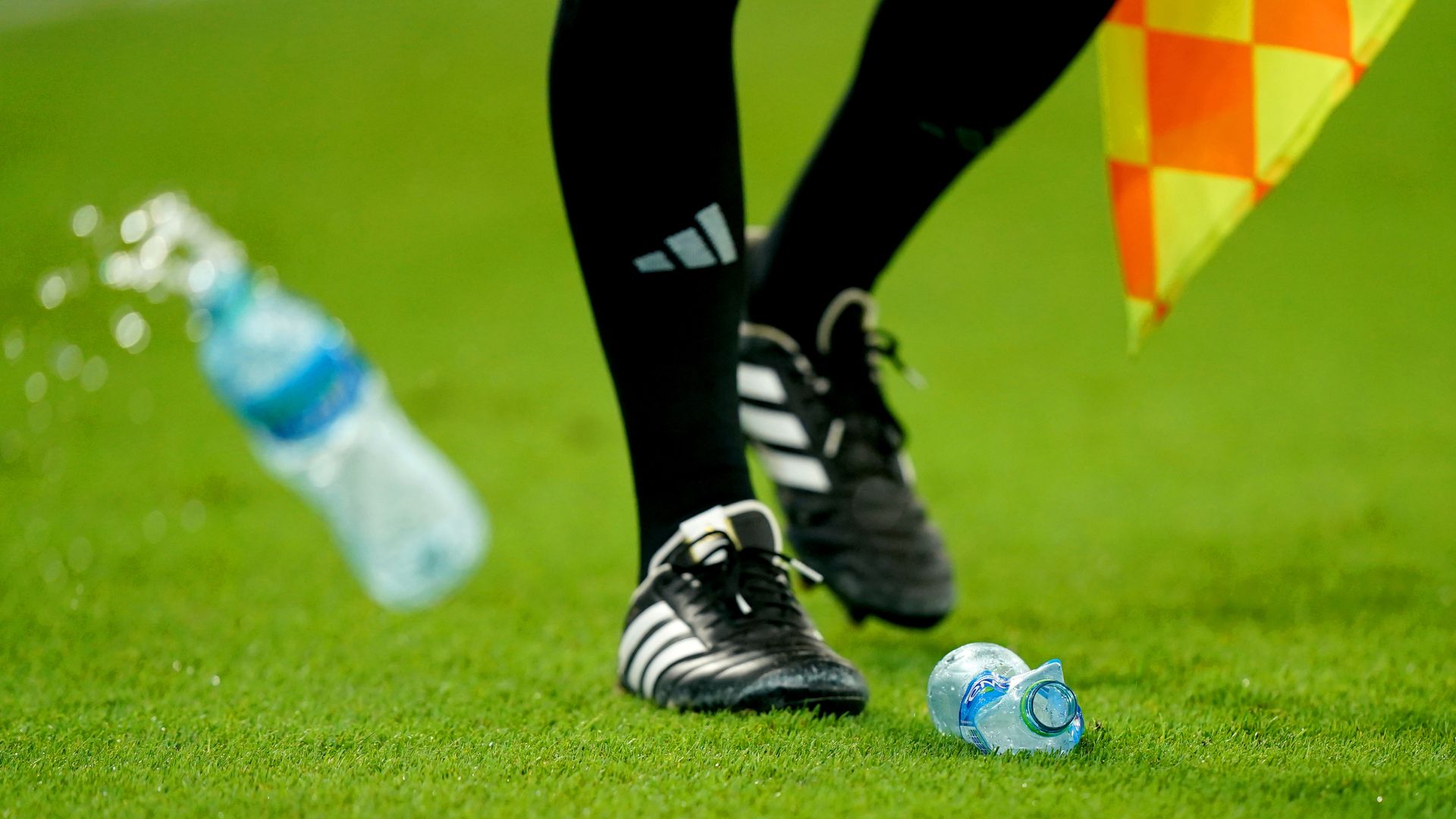
Officials cite two primary concerns. The first is projectile deterrence. A full, frozen one-liter water bottle thrown from the upper tier of a grandstand possesses the kinetic energy of a brick. It can crack a skull or stop a match if launched at a player or referee. The second is chemical security. In an era of heightened threat levels, security agencies argue that liquid explosives or illicit substances can easily masquerade as clear, refreshing mineral water.
To solve these problems, organizers create a sterile zone.
But consider what happens next when you enforce a blanket ban on water at a summer tournament. The risk doesn't vanish. It simply shifts from the security ledger to the medical ledger. By eliminating a minor, manageable safety hazard inside the bowl, authorities inadvertently trigger a mass health crisis in the concourses.
The human body under extreme heat requires constant, aggressive hydration. When tens of thousands of people enter a stadium already borderline dehydrated from travel, queuing, and security checks, the sudden deprivation of water hits like a physical blow. The heat becomes an invisible opponent, pinning fans against the concrete walls of the stadium.
Thirst as a Commodity
Step inside the stadium gates after losing your water. The relief you expected from the concourse is a mirage. The architecture of modern stadiums is designed to channel people, not cool them. Air conditioning is reserved for the luxury suites, while the regular ticket holders crush into crowded walkways where the air is stagnant and heavy with the smell of fried food and stale beer.
The lines for the concession stands stretch for hundreds of meters. They snake around pillars, blocking traffic, filled with increasingly desperate parents and exhausted children.
Here, the logistical failure reveals its second face: commercial exploitation.
When a tournament bans external liquids, it creates a captive market. The exclusive beverage sponsors of these tournaments hold a total monopoly inside the perimeter. Fans who were forced to dump a two-dollar bottle of water outside are suddenly confronted with exorbitant pricing for a single, small cup of lukewarm liquid.
It feels less like a security measure and more like a shakedown.
During recent high-profile matches in sweltering conditions, fans reported waiting in line for over forty minutes just to reach the front, only to be told that the stadium taps had run dry or the soft drink machines had broken down. When the very infrastructure designed to supply water fails after you have banned people from bringing their own, the situation degrades from frustrating to dangerous.
The Breaking Point on the Concourse
The human toll of these policies is not measured in statistics or tournament reports. It is measured in the quiet, desperate moments away from the pitch.
Picture a father with his ten-year-old daughter sitting on the dirty concrete floor beneath a stairwell, far from the roaring crowd. The match has started. A cheer echoes through the stadium as a goal is scored, but they aren't looking at the field. The little girl is pale, her skin dry despite the heat, her head resting heavily against her father’s knee. He is fanning her with a crumpled match programme, looking around frantically for a medical volunteer or a security guard who isn't overwhelmed by the crowd.
He spent months saving for these tickets. This was supposed to be a core memory. Instead, it is a lesson in survival.
Nearby, a row of fans leans over the sinks in a men's restroom, trying to cup their hands under the weak streams of water from automated faucets. A sign above the mirror warns that the water is non-potable, recycled for flushing purposes only. They drink it anyway. The alternative is passing out in the stands.
When fans are driven to drinking greywater out of desperation, the system has fundamentally broken down. The anger that bubbles up in these moments is visceral. It manifests as chanting against the organizers, scuffles with overstretched concession staff, and a deep, burning resentment that sours the entire experience of the tournament. Fans begin to ask the logical, cynical question: if water is banned today because it might be a weapon, will sun cream be banned tomorrow because it might be smeared on a seat?
The Illusion of Hospitality
International sports bodies love to speak about the magic of the fan experience. Their promotional videos feature pristine close-ups of smiling faces, colorful flags, and joyful singing in the sun. They sell an idealized vision of global unity through sport.
Yet, the actual treatment of the match-going fan tells a different story. It reveals a worldview where the spectator is viewed not as a guest, but as a logistical variable to be managed, screened, and monetized. The ticket holder is suspected of carrying a weapon until proven innocent, and then stripped of the basic resource required to stay healthy during a four-hour ordeal in the sun.
The irony is that these tournaments could easily choose a different path.
Providing free, high-capacity water filtration stations throughout stadium concourses would immediately neutralize the corporate greed argument. Allowing fans to bring empty, reusable plastic bottles to fill inside the gates would solve both the projectile problem and the dehydration crisis. Some forward-thinking venues have experimented with these systems, but the change is frustratingly slow, constantly blocked by the inertia of massive corporate sponsorships and rigid security protocols.
Until that change becomes universal, the tension will continue to build. Every summer tournament pushes the boundaries of human endurance just a little further, betting that the fans' love for the game will outweigh their need for basic dignity.
The sun continues its slow descent, but the heat inside the concrete bowl does not break. Long after the final whistle blows, long after the players have retreated to their air-conditioned locker rooms and the corporate executives have been driven away in tinted limousines, the fans are still there. They shuffle out through the exits, exhausted, depleted, and hollowed out, leaving behind a sea of discarded plastic and a bitter taste that no victory on the pitch can quite wash away.