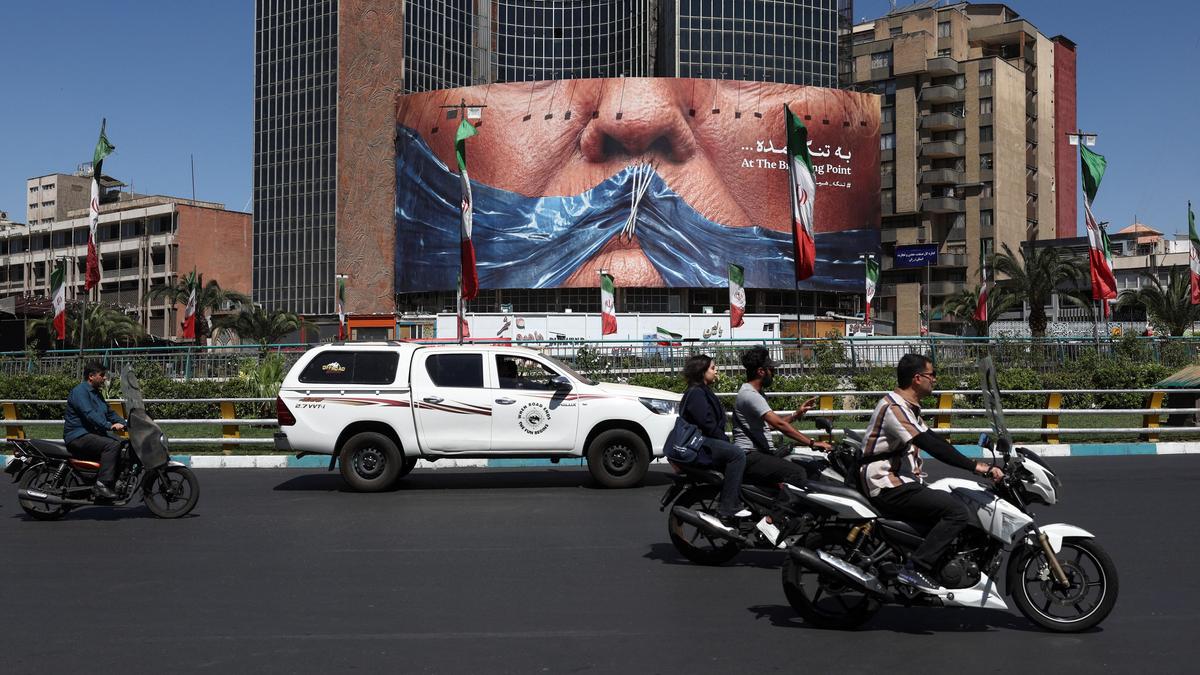
The fragile April 8 ceasefire between Washington and Tehran is buckling under the weight of fresh military operations in southern Iran. Early Tuesday morning, thunderous explosions rattled the vital port city of Bandar Abbas as U.S. Central Command executed a series of preemptive strikes against Iranian missile positions and mine-laying vessels. While the Pentagon frames these operations as strictly defensive measures designed to protect international shipping lanes, Tehran has slammed the actions as a blatant, bad-faith violation of the agreed truce.
The renewed hostility has sent immediate shockwaves through global markets. Brent crude spiked back toward the triple-digit threshold, jumping more than 4% as energy traders reacted to the threat of a prolonged bottleneck in the Strait of Hormuz, where roughly one-fifth of global oil supply transits daily.
Yet, beneath the aggressive public rhetoric and the smoke clearing from Hormozgan province, a far more complex diplomatic calculus is playing out. Despite the deaths of four Iranian soldiers and the downing of an American MQ-9 drone over Iranian airspace, neither side has walked away from the negotiating table. In fact, even as the bombs fell, top Iranian officials were touching down in Doha to continue back-channel peace talks mediated by Pakistan and Qatar. This apparent paradox reveals that the latest strikes are not the opening salvo of a restarted war, but rather a violent exercise in leverage.
The Strategic Anatomy of the Bandar Abbas Strikes
Washington’s military intervention was highly targeted. According to military briefers, the strikes focused on neutralizing immediate threats: active anti-ship missile batteries and fast-attack craft caught deploying naval mines into the shipping channels.
Strait of Hormuz Conflict Dynamics:
[U.S. Navy Blockade] <---> [Iranian Mine-Laying & Missiles]
          │                                  │
   (Protects Shipping)               (Asymmetric Leverage)
The Pentagon maintains that these assets posed an imminent danger to American warships and commercial vessels navigating the periphery of the Persian Gulf. By labeling the operation as "self-defense," U.S. officials are attempting to enforce a specific interpretation of the ceasefire: one where tactical positioning by Iran justifies kinetic intervention without technically dissolving the broader framework of the truce.
Tehran sees the situation through a entirely different lens. The Iranian Foreign Ministry has vocally accused the U.S. of maritime piracy and violating Article 2(4) of the United Nations Charter. Iranian commanders argue that moving assets within their own territorial waters in Hormozgan province does not constitute a truce violation, meaning the U.S. bombings represent an unprovoked escalation.
The timing is critical. Iran is currently emerging from one of its longest nationwide internet shutdowns, a move instituted by domestic security hardliners to control internal dissent during the height of the conflict. By launching strikes now, Washington has handed hardline factions within the Islamic Revolutionary Guard Corps the political ammunition they need to demand harsher retaliation, complicating the efforts of moderate diplomats in Doha.
The Invisible Leverage at the Negotiating Table
The primary objective of the current diplomatic push is a formal memorandum of understanding. The proposed deal aims to dismantle the U.S. naval blockade of Iranian oil ports implemented on April 17, in exchange for Iran guaranteeing safe passage for commercial shipping through the Strait of Hormuz.
However, the negotiations are intentionally limited in scope. The current framework consciously sidelines long-standing disputes over Iran's highly enriched uranium stockpile and its wider nuclear program, postponing those deeply contentious issues for a 30-to-60-day window following an initial signing.
This narrow focus has created intense political pressure on both sides:
- The U.S. Administration: Facing severe blowback from congressional hawks who view any deal devoid of immediate nuclear concessions as an absolute failure.
- The Iranian Delegation: Led in Doha by parliamentary speaker Mohammad Bagher Ghalibaf and Central Bank Governor Abdolnaser Hemmati, fighting to secure the release of billions in frozen foreign assets without appearing to capitulate to western pressure.
- Regional Proxies: The ongoing conflict between the Israeli military and Hezbollah in southern Lebanon remains a major wildcard, as Tehran insists that any lasting maritime agreement must be tied to a broader regional ceasefire.
Economic Ripples from Crypto to Crude
The immediate financial reaction to the Bandar Abbas strikes underscores just how interconnected modern geopolitical conflicts have become. Beyond the traditional surge in global oil benchmarks, digital asset markets suffered immediate turbulence.
Cryptocurrency markets experienced roughly $300 million in sudden liquidations as Bitcoin tumbled below the $77,000 threshold. This sharp drop highlights the growing intersection between digital finance and geopolitical flashpoints. Iran has increasingly relied on digital currencies to bypass Western banking restrictions and fund international transactions during the blockade. As a result, sudden escalations in the Persian Gulf now trigger automated sell-offs and margin calls across global crypto exchanges just as quickly as they alter the price of oil.
The Illusion of a Clean Exit
The fundamental flaw in the current peace process is the belief that military actions and diplomatic negotiations can exist in completely isolated silos. The White House operates on the assumption that it can strike Iranian assets to maintain a position of strength without derailing the talks. Tehran, conversely, believes it can quietly expand its defensive posture along the Strait while simultaneously negotiating asset releases in Qatar.
This high-stakes gamble relies on a dangerous level of precision. While both nations currently seem intent on preserving the April 8 framework to satisfy domestic audiences weary of a broader war, the margin for error is shrinking. A single miscalculated missile strike or the accidental sinking of a civilian commercial vessel could easily transform this controlled escalation into an open, unmanageable conflict that neither side can afford.