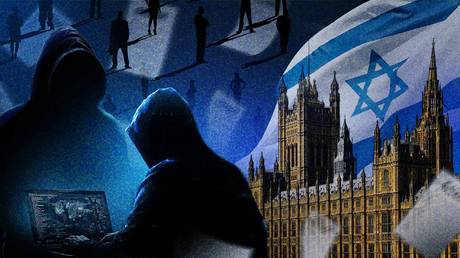
Governments love to talk about defending democracy until foreign interference hits close to home and exposes their own hypocrisy.
The UK Cabinet Office recently slammed shut the door on transparency. Officials refused to release files concerning allegations that an obscure Israeli firm named BlackCore meddled in elections. French authorities flagged this company for deploying fake social media networks to smear political figures, including Scottish First Minister John Swinney. Yet, when journalists filed Freedom of Information requests to uncover what Downing Street knew, the government hid behind national security.
Why protect foreign operatives who corrupt democratic votes? The official excuse claims releasing records would damage international relations and upset allies. That logic turns accountability on its head. If an external entity deploys fake accounts to manipulate domestic elections, shielding them makes the state an accomplice.
The Anatomy of Modern Digital Interference
Digital manipulation isn't some futuristic sci-fi concept. It happens daily through cheap, scalable networks of artificial profiles.
When French transparency agency Viginum investigated BlackCore, they uncovered coordinated efforts to sabotage candidates across multiple countries, including Scotland, France, and parts of the United States. These operations rely on volume. Hundreds of fake accounts generate negative chatter, manufacture artificial outrage, and drown out genuine public discourse.
The goal remains simple: fracture trust. When voters can no longer tell the difference between a real citizen and a bot farm, cynicism wins.
Scotland handled the fallout with slightly more openness, releasing internal communications showing that top officials were caught completely flat-footed, discovering the interference only after media reports surfaced. Meanwhile, London doubled down on secrecy.
Why Downing Street Chooses Silence
Transparency threatens geopolitical convenience. Modern statecraft relies on quiet alliances and looking the other way when friendly nations—or private contractors operating within their borders—push digital boundaries.
When the Cabinet Office argues that withholding files preserves "the trust of our international partners," they are telling you the quiet part out loud. Protecting diplomatic comfort trumps public safety. They would rather leave voters in the dark than risk a diplomatic row with foreign intelligence networks or commercial cyber-mercenaries.
This double standard destroys public trust. Citizens are told to worry endlessly about foreign cyber threats from adversarial states, but when a contractor from an allied nation gets caught red-handed tampering with ballot environments, the files get stamped secret.
Democracy dies behind closed doors. If governments refuse to expose foreign manipulation, they aren't protecting national security. They're protecting the manipulators.
UK Lawmakers Launch Scathing Attack On Pro-Israel Lobby During Explosive Debate
This video provides context on the intense parliamentary debates and political friction surrounding foreign lobbying and international influence operations in British politics.
http://googleusercontent.com/youtube_content/1