Eighty-four days. That is how long members of the British Kashmiri diaspora have maintained a continuous, unyielding vigil outside the Pakistani Consulate in the United Kingdom. While mainstream media cycles move on to the next fleeting headline, hundreds of demonstrators refuse to pack up their tents or lower their banners. They are angry, they are organized, and they aren't going anywhere.
If you wonder why a local diaspora protest in cities like Birmingham and Bradford has sustained momentum for nearly three months, you have to look past standard geopolitical squabbles. This movement isn't just about abstract borders. It is a direct response to escalating violence and systemic state repression in Pakistan-occupied Jammu and Kashmir (PoJK).
What Sparked the Outrage
The demonstrations are being held in fierce solidarity with the Joint Awami Action Committee (JAAC). Months ago, what started as local resistance against soaring electricity tariffs and skyrocketing food prices exploded into a broader confrontation. Citizens, traders, teachers, and students took to the streets to demand basic economic rights and civil liberties.
Instead of opening a dialogue, the response from Pakistani authorities involved deploying security forces, imposing severe communication shutdowns, and utilizing anti-terrorism laws to silence dissent. Reports from human rights groups highlight arbitrary arrests, mass detentions of journalists and activists, and the excessive use of lethal force against peaceful citizens.
For British Kashmiris thousands of miles away, watching their families cut off from communication channels sparked immediate action. They took their grief and anger straight to the doorsteps of official diplomatic missions.
Inside the Diaspora Mobilization
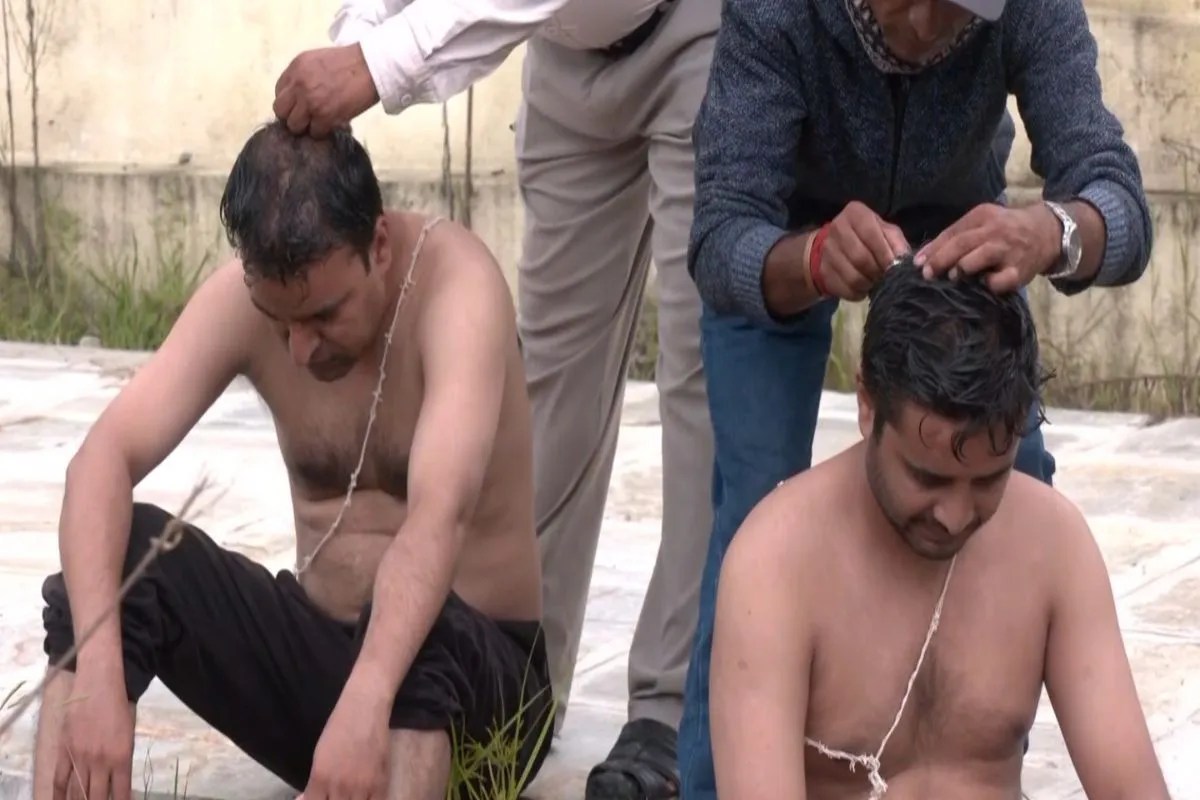
Protesters outside the consulates have made their stance crystal clear through high-visibility tactics. They have organized long marches, staged symbolic demonstrations, and utilized footwear placements at consulate gates to register absolute disgust at the military establishment.
Speakers at these rallies draw a sharp line between everyday citizens of Pakistan and the ruling military generals. They argue that the political and military apparatus has spent decades exploiting the region while stamping out any form of political opposition. Activists placed on strict schedules and criminalized under heavy-handed legal frameworks face severe penalties simply for speaking out online or organizing public meetings.
The diaspora wants the international community to wake up. They are actively engaging with human rights monitors, demanding independent investigations into civilian casualties, and pressing foreign governments to hold accountability mechanisms high on the agenda.
Where the Movement Goes Next
As the protest enters its twelfth week, exhaustion is noticeably absent from the picket lines. Organizers are scaling up their outreach to international bodies, determined to keep pressure on foreign offices in London and Geneva.
The strategy is simple: keep the spotlight burning. By documenting every arrest, highlighting every internet blackout, and amplifying the voices silenced on the ground in PoJK, the British Kashmiri community is ensuring that state-sponsored crackdowns cannot happen behind closed doors.
Check local diaspora coalition updates if you want to support or track solidarity actions happening near your city, and amplify verified reports coming directly from independent human rights monitors on the ground.
British Kashmiris protest outside Pakistan Consulate
This video captures the ongoing protests staged by British Kashmiris outside the Pakistan Consulate in Birmingham, highlighting their demands regarding the unrest in PoK.