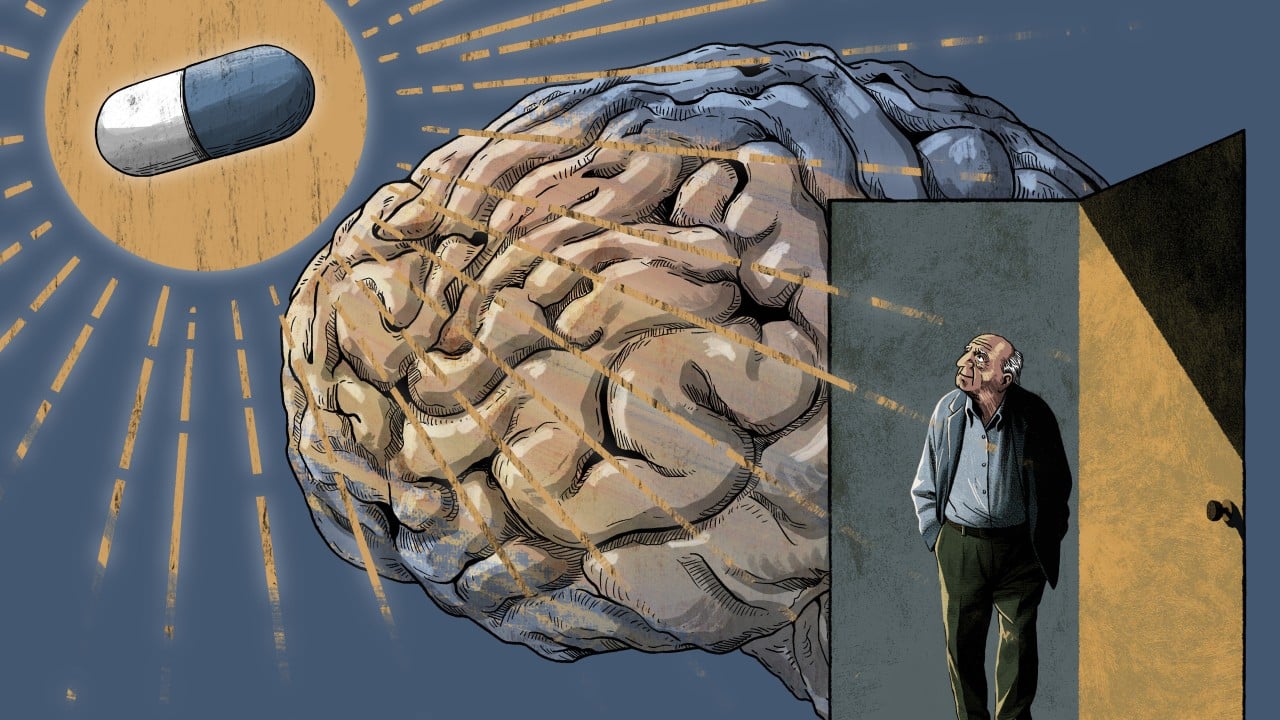
The kitchen table holds a map of forgetting. It looks like a stack of yellowed sticky notes, a calendar crossed out with thick black marker, and a quiet, mounting panic that starts when the stove is left burning just a little too long.
Ask anyone who has watched a mind unravel piece by piece, and they will tell you that the hardest part is not the end. The hardest part is the gray beginning. It is the long stretch of time when you know something is wrong, but the medical establishment tells you to wait. Wait until it gets worse. Wait until a formal diagnosis matches the heartbreak you are already living through.
Public health rhetoric loves urgency. Recently, federal health leadership stepped before congressional microphones to declare that early screening for cognitive decline is long overdue. The words sound right. They strike a chord with millions of families who feel abandoned by the slow march of neurodegeneration. But language without a mechanism is just poetry. And right now, the machinery designed to turn that rhetoric into reality has been quietly taken apart.
Consider what happens behind closed doors in Washington. The United States Preventive Services Task Force, an independent body of volunteer medical experts that evaluates what preventive services health insurance must cover, has been left hanging in administrative limbo. For more than a year, this panel has been barred from meeting. Vacancies sit unfilled. Key leadership has been cleared out. This is the exact committee charged with looking at the sparse data on cognitive screening, weighing the risks of false positives, and deciding how doctors can practically look for the early tremors of dementia before the walls cave in.
You cannot demand early detection while simultaneously freezing the very engine built to validate it.
The tension here is not just political. It is biological. On one side stands the intoxicating promise of new blood biomarker tests, tools that can spot proteins like P-Tau217 associated with Alzheimer’s pathology. Optimists compare these tests to a mammogram moment for the brain. They want to roll them out to the masses immediately.
On the other side stand epidemiologists and clinical researchers who urge caution. A test that can flag cellular debris in someone already showing severe symptoms is vastly different from a population-wide screening tool for healthy fifty-year-olds. Without rigorous clinical validation, broad screening risks overwhelming clinics with false positives, terrifying families over statistical noise, and sending millions of people scrambling for treatments that do not yet cure the root cause.
This is where the task force was supposed to step in. Their job is to sift through the chaos, look at the messy evidence, and map a path forward that separates marketing hype from medical safety. By sidelining them, the administration has created a vacuum.
The human cost of this administrative paralysis trickles down directly to local research centers. Grant reviews face delays. Labs scramble to keep basic operations afloat while federal funding streams stutter. Scientists trying to track the subtle, nuanced shifts in cognitive aging find themselves handcuffed by institutional inertia.
When a system is starved of consensus, families pay the toll. They navigate a labyrinth of uncoordinated care, conflicting neurological opinions, and staggering financial burdens without a reliable roadmap.
Memory is the architecture of identity. To protect it requires more than catchy soundbites delivered under the Capitol dome. It requires patient, unglamorous institutional work, funded laboratories, and expert panels allowed to do the heavy lifting of science out of the spotlight. Until the machinery of research is fixed, the call for early screening remains a hollow echo in an empty room.