Midnight on Figueroa Street usually belongs to the restless. The neon hum of storefronts bleeds into the asphalt, and the air carries that familiar, heavy scent of exhaust and distant ocean salt. But for a fictional student named Marcus, midnight smells like stale instant coffee and the vinyl cushion of a 24-hour diner booth.
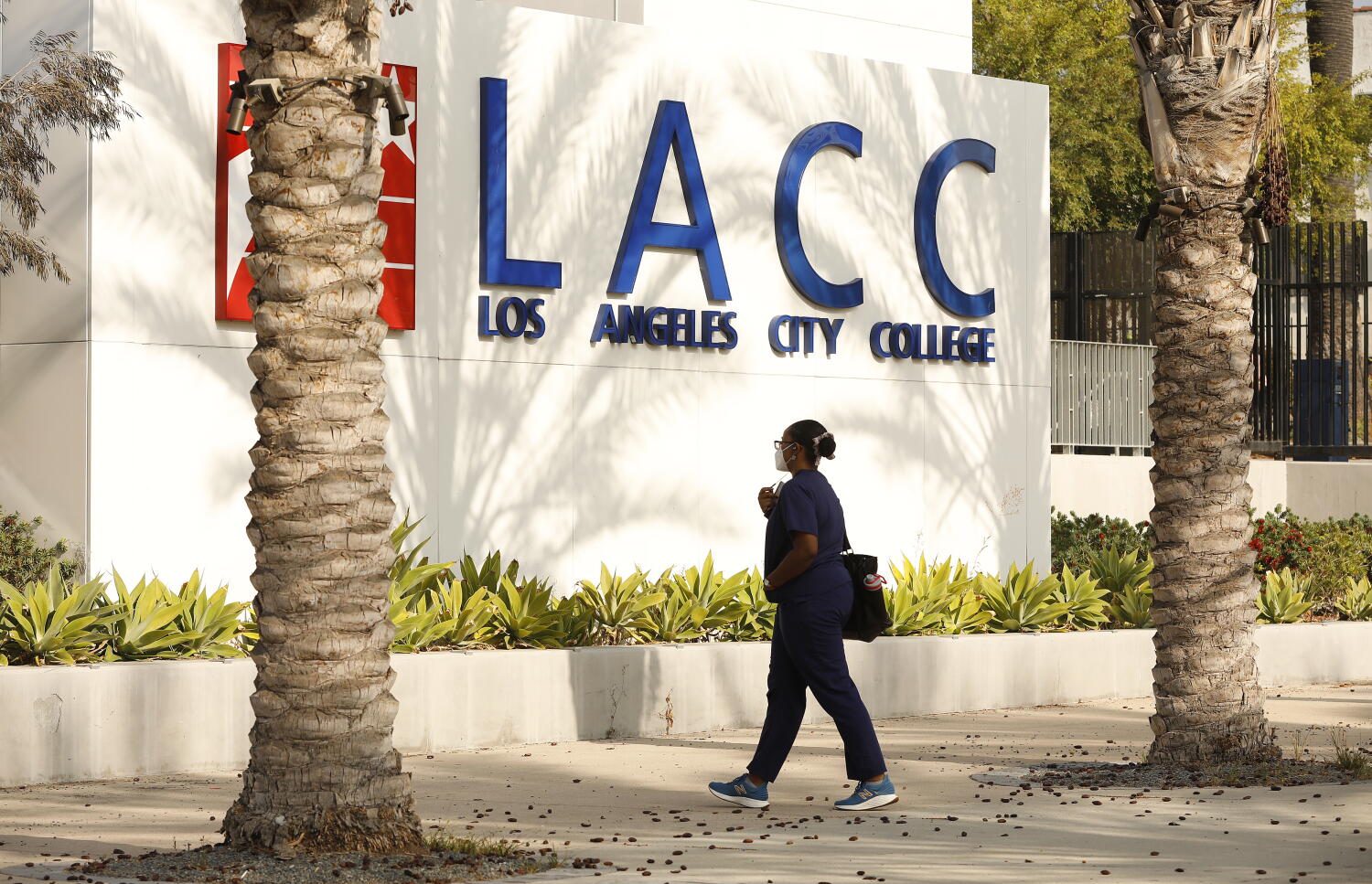
Marcus is twenty-two. He carries a full load of courses at a campus within the sprawling architecture of the Los Angeles Community College District, and his economics textbook is propped against a ceramic mug that went cold an hour ago. He isn't studying supply and demand curves out of mere academic curiosity. He is calculating how many nights he can sleep in his sedan before his battery dies, and whether the campus parking lot security guard will tap on his window before dawn. If you liked this article, you might want to read: this related article.
When the district announced a sweeping initiative to bring student housing to its campuses, it felt like an anchor dropped in an open sea. For thousands of students navigating the brutal mathematics of Southern California rent, a dormitory bed was more than infrastructure. It was an escape hatch.
Then the anchor was hauled back up. For another perspective on this event, see the recent coverage from Al Jazeera.
The Los Angeles Community College District abruptly canceled its much-anticipated housing proposal after swirling allegations of bidding irregularities exposed deep fractures in the procurement process. Bureaucratic machinery ground to a halt. Behind closed doors, technical scoring discrepancies, questions of fairness, and procedural missteps collapsed a project that ordinary people relied upon to alter the trajectory of their lives.
To understand why this cancellation stings so sharply, you have to look past the bureaucratic jargon of procurement codes and look directly at the geography of modern poverty. Higher education is often sold as the great equalizer, a meritocratic ladder reaching toward stability. But a ladder loses its utility when the bottom rungs are missing. Across Los Angeles, thousands of community college students do not struggle merely with midterms or final papers. They struggle with housing insecurity, couch-surfing, and the quiet humiliation of living out of glove compartments.
Consider what happens next when a massive municipal contract collapses under the weight of its own administrative errors.
The public statement dryly notes that the request for proposals has been withdrawn. It mentions procedural anomalies and the necessity of preserving the integrity of the bidding system. These terms are clean. They fit neatly into press releases and legal disclaimers. But they translate into something entirely different on the ground. They mean another semester of midnight parking lot vigils for Marcus. They mean another year where a student must choose between buying textbooks and paying for a roof that doesn't leak.
The anatomy of a municipal bidding failure is rarely cinematic. It does not typically involve secret handshakes in smoky basements. More often, it is a slow accumulation of misaligned oversight, ambiguous guidelines, and a failure of transparency that invites suspicion. When multi-million-dollar developments are staked on administrative precision, even a minor fracture in the process can shatter the entire enterprise.
Yet, treating this merely as a technical glitch misses the human cost. Public institutions exist to serve a populace that is often stretched to its absolute limit. When structural safeguards fail, trust erodes. Students who looked to the district for a foundation found shifting sand instead.
The cancellation leaves a glaring vacuum. The systemic pressures driving the student housing crisis in Los Angeles have not vanished simply because a stack of proposal documents was thrown into a shredder. The rent is still due. The cars are still parked along residential side streets with fogged-up windows. The invisible stakes remain unchanged.
Procurement integrity matters. Fair competition matters. But transparency is ultimately a tool for accountability, not an end in itself. When the rules of the game are broken, stopping the game is necessary to prevent worse corruption, but restarting it with urgency is the only way to honor the people waiting in the dark.
Until then, the diner booth stays occupied. The textbook pages turn under the flicker of a fluorescent bulb, and the real cost of administrative failure is measured in lost sleep and deferred dreams.