The suitcases sat in the hallway like silent monuments to a future that had just been cancelled. Inside them were heavy winter coats bought with borrowed money, photo albums of family members back home in Punjab, and a thick stack of receipts totaling over thirty thousand dollars.
To anyone walking past the apartment door in Calgary, it looked like packing. To the person kneeling beside them, it looked like a funeral.
Thousands of miles away from home, young people who trusted the system found themselves standing at the edge of a bureaucratic cliff. They had done everything right. They studied. They paid their tuition on time. They braved winters that felt like liquid nitrogen. Yet, when the graduation certificates were finally printed, the promised bridge to a permanent life vanished into thin air.
The tension spilled out onto the streets.
Hundreds of international graduates from Portage College gathered outside community centers and marched toward government offices, their breath pluming in the cold air. Some went on a hunger strike. They refused food not to make a political point, but out of a paralyzing realization: if they could not work, they could not eat anyway. Their student status had expired, their post-graduation work permit applications had been rejected by Immigration, Refugees and Citizenship Canada (IRCC), and their bank accounts were hollowed out.
Imagine investing two years of your youth and every single rupee your family could scrape together, only to be told that the diploma you earned suddenly belongs to a non-credit category that bars you from employment.
The rules had shifted underneath their feet. When they enrolled, the pathway was clear. By the time they crossed the finish line, the goalposts had been quietly moved.
Portage College pointed backward, stating that immigration decisions rest entirely with federal authorities and that they merely sought clarification themselves. The institution urged students to retain their transcripts and seek legal advice, a cold comfort when legal fees require money that no longer exists.
Then came the political response, cutting through the noise with the blunt force of an iron gate.
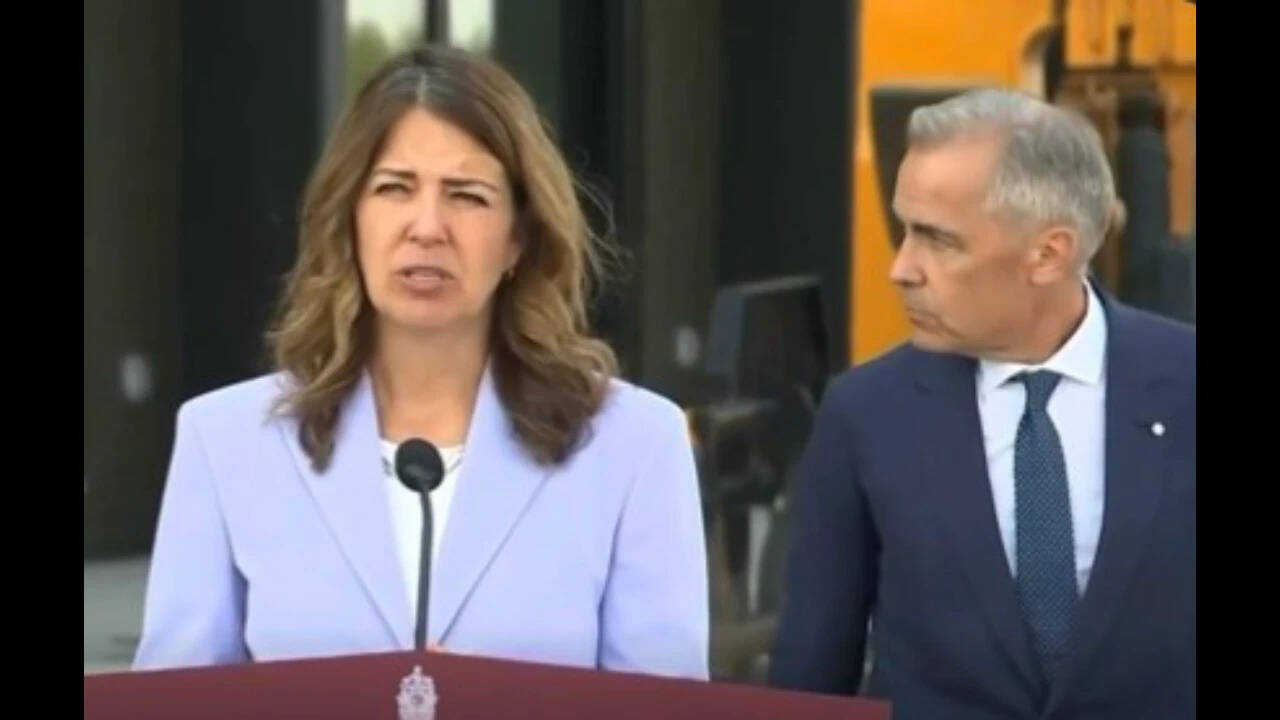
Alberta Premier Danielle Smith addressed the growing crisis during a joint press conference. Asked about the desperate students demanding a fair review, her stance left no room for interpretation.
Our view is that if you come here as an international student and your visa expires and you don't have permanent residency, you need to go home.
The words hung in the air like frost. Clean. Final. Unyielding.
Smith acknowledged the messy underbelly of the international education market, noting that some programs may have overstated pathways to permanent residency. She pointed to the stark mathematics of the region: forty thousand people seeking permanent residency while only a fraction of those spots actually exist. The system is overwhelmed. The math does not work.
But numbers do not weep. The people caught inside the spreadsheet do.
Consider the perspective of a student like Chitrakshi Kaur, who spent months tracking every notice, clinging to letters of support, watching the clock tick down her remaining days in the country. For them, Canada was never just a temporary convenience. It was an investment of the soul. They filled labor shortages, paid premium international tuition rates that kept local institutions afloat, and integrated into communities that now watch them pack their bags.
When nations treat human lives as administrative valves to be turned on and off based on shifting economic pressures, trust breaks down. The students feel cheated because they followed the exact roadmap they were handed when they stepped off the plane. The government feels cornered because an infrastructure built for thousands is currently buckling under the weight of hundreds of thousands.
There are no villains here who wear black hats, only a collision between aggressive institutional expansion and hard political reality.
The hunger strikes may end. The protests will eventually clear from the legislative steps as the bitter weather deepens. Some students will find a legal loophole or a path to judicial review, while others will quietly board flights back to the cities they left years ago, carrying heavy bags filled with broken dreams and expensive paper.
The snow continues to fall over Calgary, blanketing the streets where the placards once lay, covering both the footprints of the protestors and the lines drawn in the sand by those who hold the power to say yes or no.
Hundreds of International Students Unite in Calgary After PGWP Refusals
This video captures the raw emotion and testimonies of international graduates in Calgary who united to demand answers following sudden work permit refusals.
http://googleusercontent.com/youtube_content/1