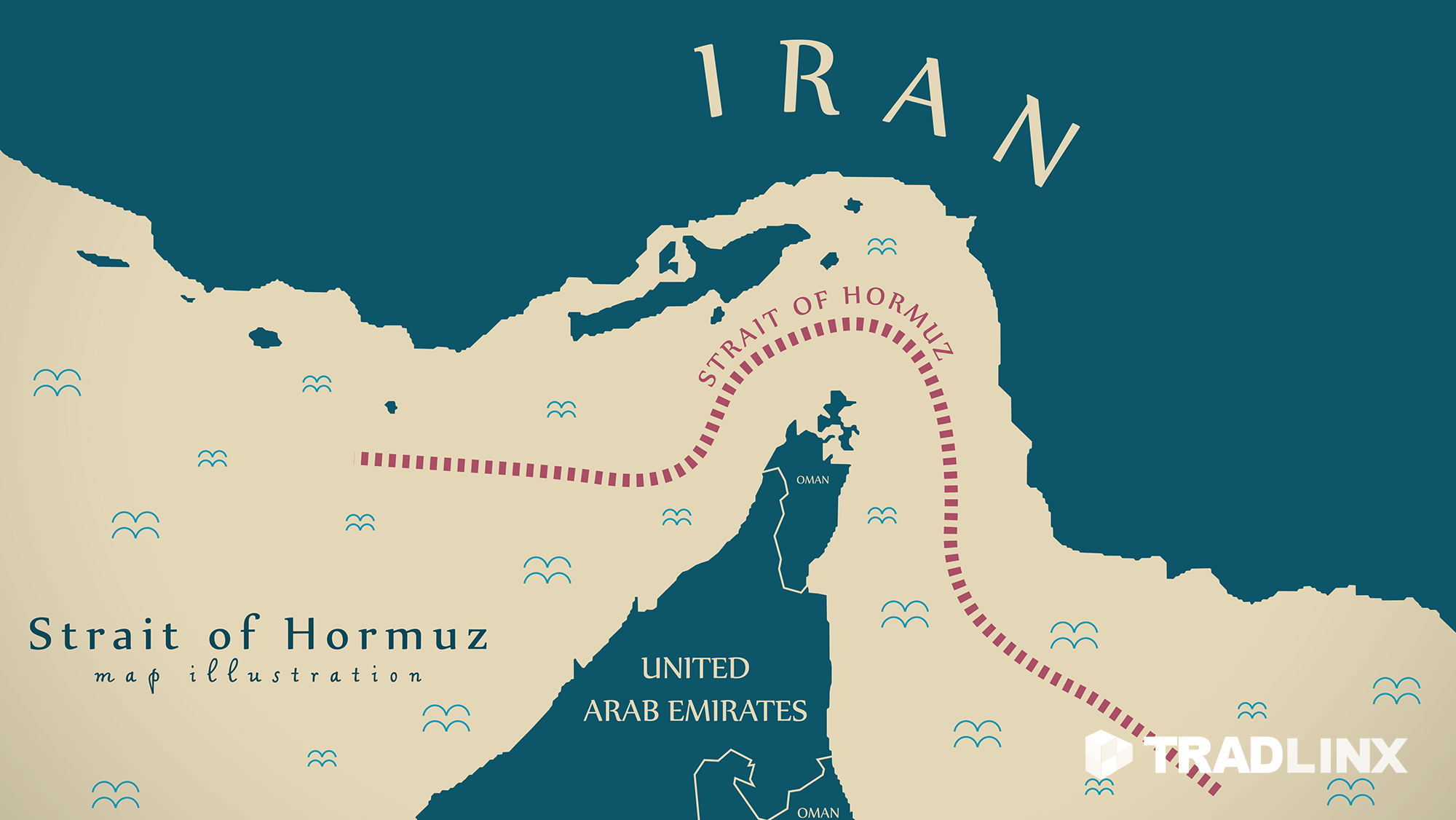
Don't expect your electricity bill to drop just because Brussels held another emergency meeting. It's April 2026, and the European Commission is scrambling. With the Strait of Hormuz effectively locked down and the Middle East in a tailspin, energy prices aren't just high—they're volatile.
The "toolbox" being prepared in Brussels isn't a magic wand. It's a survival kit. Since this latest conflict kicked off 44 days ago, Europe has set €22 billion on fire just to keep the lights on, without buying a single extra molecule of gas. If you're looking for a quick fix, you're looking in the wrong place. Brussels is shifting from "saving the planet" to "saving the economy," and the transition is getting messy.
The State Aid Wildcard
The most immediate move out of Brussels is a major loosening of state aid rules. Usually, the EU is allergic to governments bailing out their own companies because it messes with the "level playing field." That's out the window now.
By the end of April, the Commission plans to adopt a "Temporary Crisis Framework." This lets countries like Germany or France dump billions into their industrial sectors to stop them from going bankrupt or moving to the US. It's great if you're a massive chemical plant in the Ruhr valley. It’s less great if you're a small business in a country that doesn't have the "fiscal space" (read: extra cash) to compete with Berlin’s deep pockets.
- The Subsidy Race: 22 out of 30 EU and EEA countries have already started cutting taxes or subsidizing oil.
- The Rebound Effect: When everyone subsidizes demand, prices stay high. It’s like everyone in a theater standing up to see better—eventually, no one sees better, and everyone’s legs hurt.
- Targeting Failures: Brussels wants "targeted" aid for the poor. Most governments are just spraying cash at everyone because it's politically easier.
Killing the Spot Market
One of the more aggressive moves is the new ban on spot market purchases for Russian gas. Under Regulation EU/261/2026, which just took effect, EU entities can't just buy a random shipment of Russian LNG or pipeline gas on a whim.
Brussels is forcing a "buy together or don't buy at all" mentality. The EU Energy Platform is now the gatekeeper, trying to aggregate demand so member states don't outbid each other like they did in 2022. It sounds smart on paper. In practice, it means the market is becoming incredibly rigid. When supply is tight, rigidity usually leads to price spikes, not stability.
The Demand Destruction Reality
The Commission's newest 10-point plan is basically a polite way of telling you to stop using energy. They call it "demand reduction," but let’s be honest: it’s rationing by another name.
Dan Jørgensen, the Energy and Housing Commissioner, is pushing for deferred refinery maintenance and increased biofuel use. He's also urging people to work from home and drive less. They’re even lowering gas storage targets to 80% because they know hitting 90% is probably impossible or too expensive this year.
"The least expensive energy is the energy we do not use," von der Leyen says.
✨ Don't miss: The Inventory Ghost and the 0.7 Percent Chill
That’s a tough pill to swallow when you’re a manufacturer trying to hit a production quota or a family trying to heat a home. The focus on energy efficiency—renovating buildings and upgrading industrial gear—is the right long-term move, but it doesn't help you pay the bill that’s due next Tuesday.
Why the Grid is the Real Bottleneck
Brussels is finally admitting that we have a "wasted energy" problem. We have enough wind and solar capacity in some regions to power entire countries, but the grid can't handle it. Currently, over 70% of EU electricity comes from low-carbon sources (renewables plus nuclear), yet we’re still tethered to the price of gas.
The plan involves a massive "grid expansion package" and an investment conference to lure private capital. They want to decouple the price of electricity from the price of gas. It's a structural fix that’s about five years overdue. Until that happens, your "green" electricity will stay as expensive as the most expensive gas plant on the market.
How to Navigate the 2026 Energy Squeeze
Brussels is focused on the macro level, but you need to focus on the micro. Here is what you should actually do while the bureaucrats bicker in Cyprus:
- Audit Your State's Aid: Don't wait for a general price drop. Check your specific national "Crisis Toolbox." If you're in an energy-intensive industry, the new state aid rules mean there's likely a grant or a low-interest loan with your name on it.
- Lock in Fixed Rates Now: If your provider is offering a fixed-rate contract that isn't completely insane, take it. The volatility from the Strait of Hormuz isn't going away by summer.
- Check Cohesion Fund Availability: Brussels is practically begging member states to use leftover Cohesion Funds for batteries and local storage. If you run a municipality or a large co-op, that money is sitting there waiting to be claimed.
Brussels is trying to build a fortress, but they're building it while the enemy is already inside the gates. Expect more "temporary" measures to become permanent features of the European economy. The era of cheap, reliable energy is over; the era of subsidized, managed scarcity has begun. Use the available state aid while the rules are loose, because these fiscal windows don't stay open forever.