The political architecture of Washington is shifting toward a wartime footing. Senator Lindsey Graham’s recent and vocal endorsement of Donald Trump’s "Project Freedom" represents more than just campaign rhetoric; it is a signal that the era of containment regarding Iran is effectively over. If this policy takes hold, the United States will move from a posture of reactive defense to one of proactive disruption. The goal is the total dismantling of the Iranian regime's regional influence.
Graham has long been the Senate's most consistent hawk. By aligning himself with Trump’s emerging foreign policy platform, he is helping to draft a blueprint for a direct confrontation that many in the intelligence community have feared for decades. This is not about a single strike or a new round of economic sanctions. It is a fundamental rewrite of the American playbook in the Middle East.
The Mechanics of Project Freedom
Project Freedom is designed as a multi-tier offensive. It goes beyond the "maximum pressure" campaign seen during the first Trump administration. While that era focused heavily on the SWIFT banking system and oil exports, this new iteration prioritizes the physical and digital infrastructure of the Islamic Revolutionary Guard Corps (IRGC).
The strategy treats the Iranian government not as a sovereign state to be negotiated with, but as a criminal enterprise to be dismantled. This shift in definition allows for a broader range of military and intelligence operations. Under this framework, the legal barriers to targeting IRGC leaders across international borders would be significantly lowered.
Financial Decapitation
A primary pillar of the strategy involves a "scorched earth" approach to the black market. Iran has spent the last five years perfecting a "shadow fleet" of oil tankers that bypass traditional monitoring. Project Freedom calls for the active interdiction of these vessels.
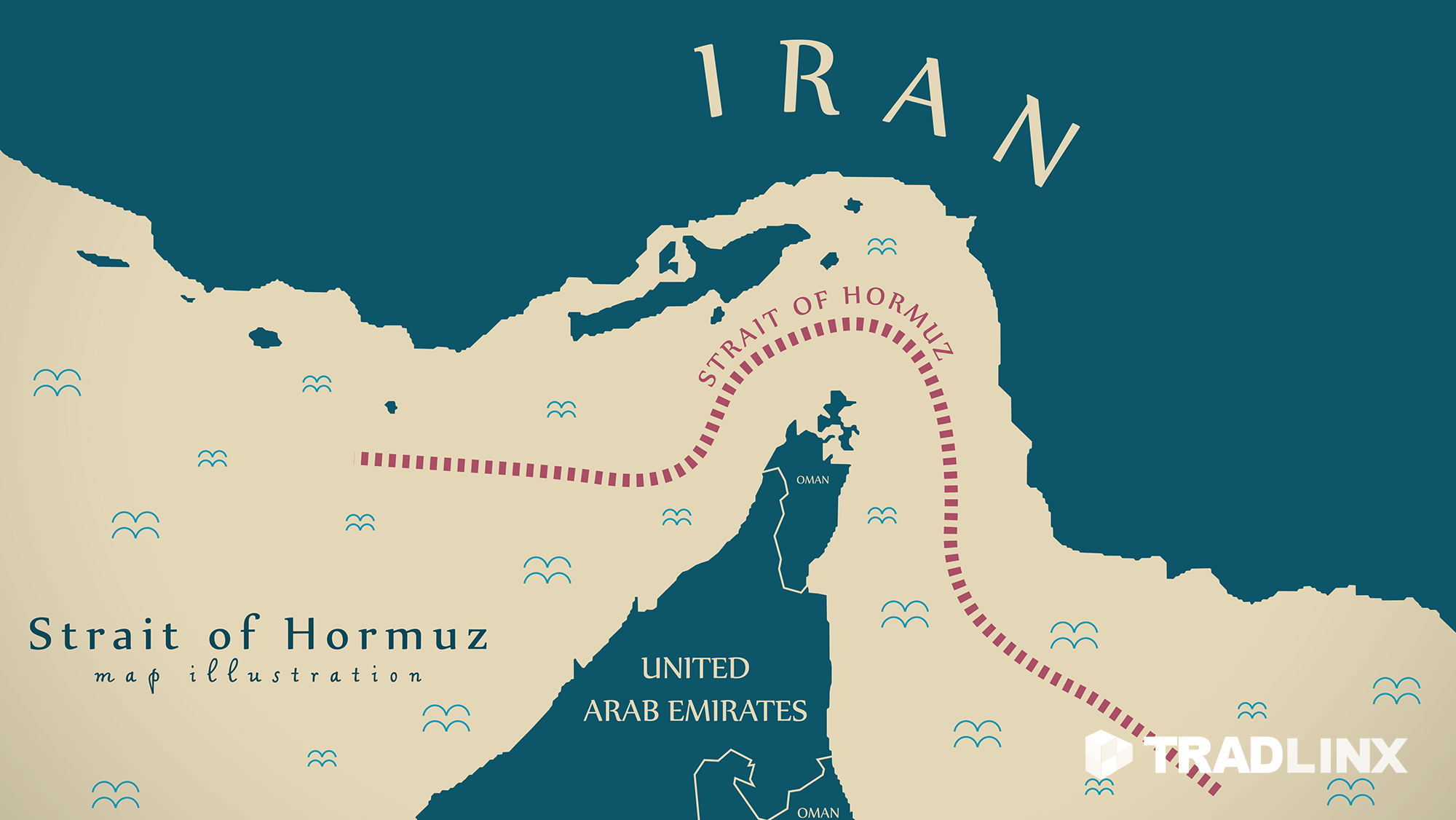
This is where the risk of escalation becomes tangible. Stopping a tanker in international waters is a maritime provocation. Doing it repeatedly is an act of war. Graham and the Trump camp argue that the risk of a nuclear-armed Tehran is far greater than the risk of a naval skirmish in the Strait of Hormuz.
The Internal Collapse Theory
A major "why" behind this aggressive push is the belief that the Iranian regime is more fragile than it appears. Intelligence suggests that the internal economic misery within Iran has reached a boiling point. Graham has noted that the Iranian people are no longer just protesting for reform; they are protesting for an end to the system itself.
Project Freedom intends to use this internal friction as a weapon. By cutting off the remaining trickles of hard currency, the U.S. hopes to force the IRGC to choose between funding its regional proxies—like Hezbollah and the Houthis—and paying its own internal security forces. History shows that when a regime can no longer pay the men with the guns, the regime falls.
The Proxy Problem
For decades, Iran has fought its battles through others. This "gray zone" warfare has allowed Tehran to stay safe while Lebanon, Yemen, and Iraq suffer the consequences of conflict. Project Freedom seeks to end this insulation.
The policy suggests that the patron must pay the price for the client’s actions. If a Houthi missile strikes a commercial vessel, the retaliatory strike will not be in Yemen. It will be in Iran. This "direct responsibility" doctrine is a massive departure from the cautious calibration used by the current and previous administrations.
The Risks of Overplay
No veteran of Middle Eastern politics believes this comes without a cost. Critics of Graham’s stance point out that a cornered regime is the most dangerous kind. Iran’s "Mosaic Defense" strategy is built specifically for this scenario. It involves thousands of small, fast-attack boats, sea mines, and a massive arsenal of short-range ballistic missiles.
If Project Freedom is implemented, the global economy must prepare for a spike in energy prices. The oil markets hate uncertainty, and there is nothing more uncertain than a hot war in the world's most vital energy corridor.
The Nuclear Question
The most pressing concern remains the Iranian nuclear program. Proponents of the new strategy argue that the current path leads inevitably to an Iranian bomb. They believe that only the credible threat of total regime destruction will force Tehran to freeze its centrifuges.
However, there is a counter-argument that such pressure will have the opposite effect. It might convince the Supreme Leader that a nuclear deterrent is the only thing that can save him from a Western-backed coup. It is a high-stakes poker game where the "pot" is a regional nuclear arms race involving Saudi Arabia, Turkey, and Egypt.
The Domestic Political Alignment
Lindsey Graham’s role here is that of a bridge-builder. He is connecting the traditional Republican foreign policy establishment with the "America First" wing of the party. By framing Project Freedom as a way to avoid a "forever war" through a decisive, short-term escalation, he is attempting to sell a hawkish policy to an isolationist-leaning base.
This alignment is crucial for Trump. It gives his rhetoric a veneer of legislative and institutional backing. It also signals to regional allies like Israel and Saudi Arabia that a change in Washington will mean a return to a more assertive American presence.
The Digital Front
Beyond the kinetic and economic, Project Freedom includes a massive cyber component. The goal is not just to disrupt the Iranian military, but to bypass the regime's "Halal Internet" and provide the Iranian public with uncensored access to the outside world.
The logistical challenges of this are immense. Providing satellite-based internet to a country that actively hunts for dishes requires a level of technological coordination that the U.S. government has struggled with in the past. But for Graham, this is a "non-negotiable" part of the liberation strategy.
The Regional Domino Effect
If the U.S. successfully implements this policy, the regional power balance will tilt overnight. Without Iranian funding and direction, Hezbollah’s political and military grip on Lebanon would weaken. The Assad regime in Syria would lose its primary liferaft.
This sounds like a victory for Western interests, but vacuum-filling is a dangerous business. In the Middle East, when one power falls, the replacement is rarely a stable democracy. It is usually a chaotic scramble among smaller, more radicalized factions.
Graham and Trump seem willing to take that gamble. They view the current status quo—a slow-motion slide toward an Iranian-dominated Levant—as an unacceptable failure.
The policy shift represented by Project Freedom is a rejection of the last twenty years of diplomacy. It is a return to a "Big Stick" philosophy that assumes American power is most effective when it is most feared. The question is no longer if the U.S. will respond to Iranian provocations, but how much force it is willing to apply before the entire regional structure breaks.
The path forward requires more than just tough talk on a campaign trail. It requires a sustained, bipartisan commitment to a strategy that will almost certainly lead to casualties, economic shocks, and unforeseen geopolitical ripples. Graham’s endorsement is the first brick in that wall. The rest of the world is now watching to see how high it will be built.
The strategy hinges on a single, brutal assumption: that the cost of action is finally lower than the cost of doing nothing. If that calculation is wrong, the "freedom" promised by the project may look a lot like the chaos of the early 2000s, but on a much larger and more volatile scale. Stop looking for a middle ground; it has been vacated.