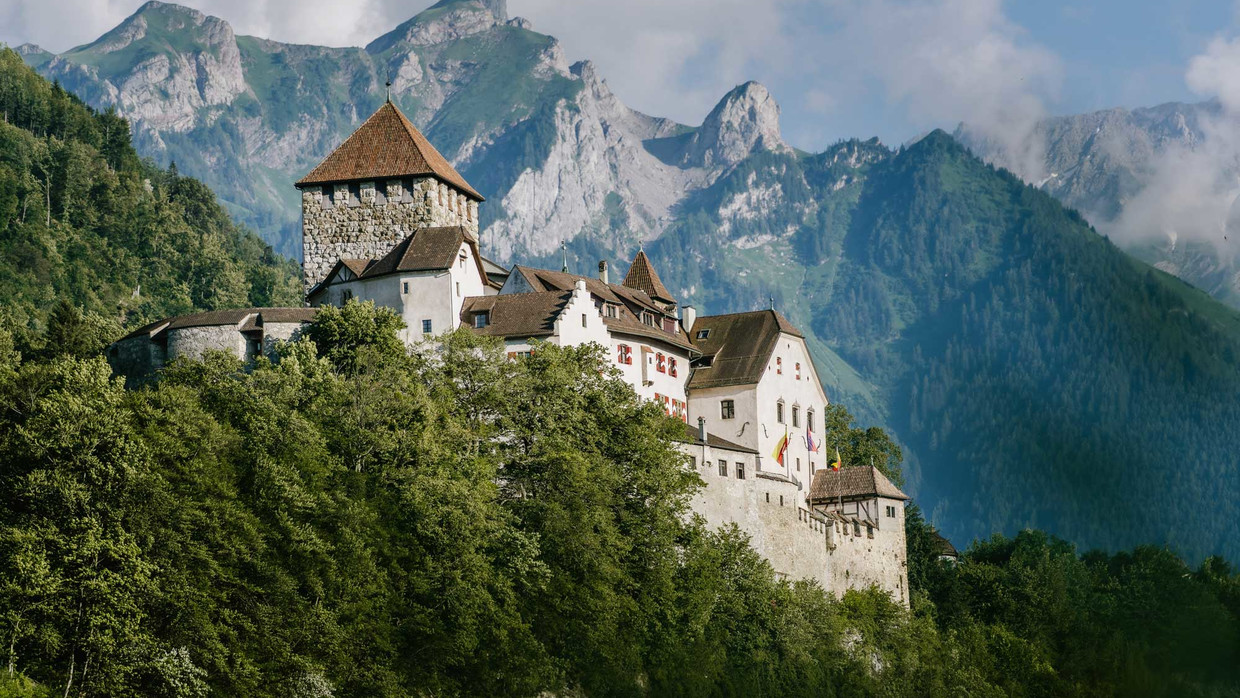
Liechtenstein has formally abandoned centuries of agnatic primogeniture, altering its House Law to permit female members of the princely dynasty to ascend the Alpine throne. Hereditary Prince Alois dropped this constitutional bombshell during his National Day address at Vaduz Castle, confirming that two-thirds of the voting members of the royal house ratified the modification. For a microstate long characterized by staunch political traditionalism and an outsized executive monarchy, this institutional pivot represents a profound departure from historical norms. Yet beneath the celebratory gloss of modernization lies a calculated exercise in dynastic self-preservation.
The Mechanics of the Vaduz Shift
The structural shift moves the House of Liechtenstein from male-preference to absolute primogeniture. Under the revised statutes, the first-born child of future generations will inherit the sovereign position regardless of biological sex. Furthermore, female dynastic members acquire equal participation rights in internal house matters.
Prince Hans-Adam II remains head of state, while Prince Alois continues to exercise executive authority as regent, a functional delegation that began in 2004. Crucially, the immediate line of succession remains unaltered. The amendment specifies that the changes apply exclusively to descendants born within future family branches, insulating current heirs from immediate displacement.
Dynastic architects deliberately avoided retroactive restructuring. Legal continuity in small European monarchies depends on predictable property and title transitions. Altering the standing line for individuals already raised for sovereignty invites internal litigation and factional bitterness. By drawing a bright chronological line, the princely house neutered potential challenges before they could materialize.
Dissecting the Timing
Observers scratching their heads over the sudden impulse to reform should examine the demographic reality of the House of Liechtenstein. Modern royal houses function as corporate entities holding vast private wealth, real estate holdings, and sovereign influence. Preserving the integrity of these assets requires managing a shrinking pool of eligible heirs.
By opening participation rights to female family members, the house expands its operational bandwidth. Smaller European monarchies face chronic public scrutiny regarding archaic gender exclusions, particularly as neighboring nations modernized decades ago. Sweden shifted to absolute primogeniture in 1980, followed by Norway and the Netherlands. Liechtenstein stood out as an institutional outlier, clinging to agnatic rules that trace back to early seventeenth-century family covenants.
Pressure from international bodies had historically fallen on deaf ears. When United Nations committees raised concerns decades ago regarding the total exclusion of women, Hans-Adam II famously dismissed the critique by noting that the house rules predated the modern state. If external scolding failed to move the needle, internal calculus must have shifted.
The Power Dynamic of Europe's Richest Crown
Understanding this reform requires examining the immense political architecture of Liechtenstein itself. This is not a British or Scandinavian style symbolic monarchy stripped of executive teeth. The Prince of Liechtenstein holds formidable constitutional leverage. The sovereign can veto parliamentary legislation, dismiss elected cabinets, and appoint judicial officers.
Voters expanded the prince's powers via referendum in 2003, reinforcing an autocratic framework that startles modern democratic theorists. When a crown wields actual, unvarnished power over governance, who sits on the throne matters intensely. Opening succession to women ensures that the pool of future regents includes capable leaders who might otherwise have been sidelined by an accident of chromosomes.
Critics pointing to the timing of the announcement note that public discontent has occasionally flared over the royal family's political rigidity. Domestic friction regarding conservative social stances and government accountability creates a constant background hum of republican sentiment. Modernizing the House Law serves as a low-cost, high-yield PR maneuver. It projects forward-thinking adaptability without diluting the actual governing authorities vested in the crown.
The Illusion of Full Equality
Sifting through the breathless coverage of this historic announcement reveals a persistent analytical blind spot. Media outlets frame the move as a sweeping triumph for gender equality. That framing collapses under basic scrutiny.
Hereditary monarchy is inherently antithetical to equal rights. It privileges a single bloodline over every other citizen based entirely on accident of birth. Adjusting internal family statutes to include female heirs alters the distribution of privilege within a closed aristocracy. It does nothing to democratize the state or empower ordinary citizens.
To call a monarchical succession tweak a win for feminism stretches definitions past the breaking point. It is an internal corporate restructuring executed by elite stakeholders to safeguard the longevity of their enterprise. The princesses of Liechtenstein gain a path to the throne, but the shop floor workers of Vaduz gain no democratic voice in choosing their head of state.
What Comes Next for the Principality
The practical effects of this constitutional amendment will take decades to unfold. Because the rule applies only to future generational branches, the immediate succession pipeline featuring Prince Joseph Wenzel remains locked in place.
Yet the psychological barrier has fallen. The sacred cow of absolute male patrilineal descent has been slaughtered on the altar of dynastic pragmatism. As European microstates navigate an increasingly interconnected and cynical global order, adaptability remains the ultimate currency of survival. Liechtenstein protected its crown by modernizing its rules just enough to silence critics, ensuring the House of Liechtenstein retains its grip on the Alps for generations to come.