The humidity in Dhaka during the weeks leading up to Eid al-Adha does not merely sit in the air; it heavy-presses against your chest like a damp wool blanket. If you walk into the Gabtoli cattle market, your senses are instantly assaulted by the thick, sweet smell of molasses-spiked feed, the sharp tang of fresh dung, and the low, vibrational hum of thousands of shifting hooves. It is a chaotic symphony of commerce and devotion.
Every year, millions of livestock move across Bangladesh to meet a singular, sacred moment. For the farmers who breed them, this is not a hobby. It is the culmination of a year—sometimes a lifetime—of financial risk. Expanding on this topic, you can find more in: The Window with Two Faces.
But amidst the endless rows of standard black and brown cattle, a crowd has gathered so thick that the police have to occasionally clear a path. They are not here for just any animal. They are here to see a celebrity.
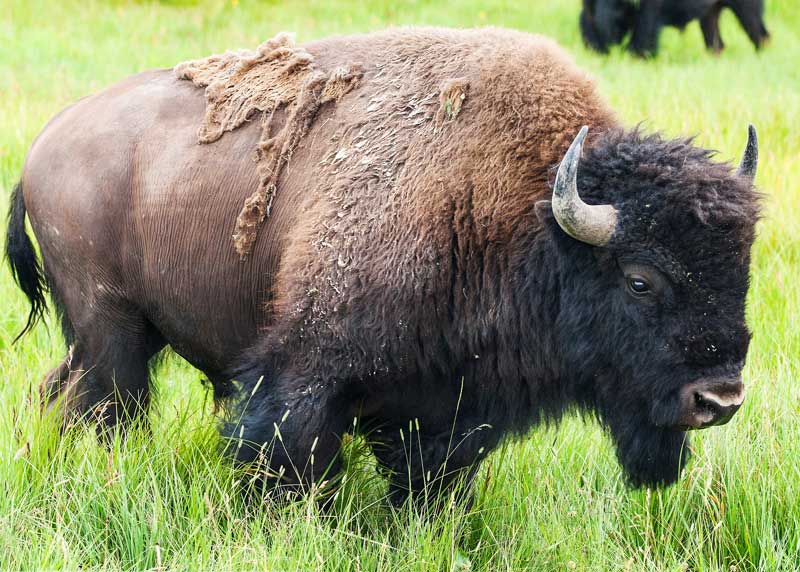
His hair is a striking, sun-bleached golden blonde. His frame is massive, weighing in at a staggering 850 kilograms. His name is Donald Trump. And he is a buffalo. Experts at Glamour have also weighed in on this matter.
The Economics of a Golden Coat
To understand how a water buffalo named after an American politician becomes a viral sensation in a South Asian megacity, you have to look past the initial absurdity. Look at the hands of the man holding the tether.
Imran Hossein is a young farmer from the rural heartlands of Bangladesh. His knuckles are calloused, and his eyes carry the permanent tiredness of someone who wakes up at 3:00 AM every single day. For Imran, this giant, fair-haired beast represents something far greater than internet fame.
"We didn't dye his hair," Imran says, his voice raised over the marketplace din. He sounds defensive, a man used to skeptical buyers accusing him of using peroxide. "He was born this way. A freak of nature. A blessing."
In the livestock trade, anomaly is currency. The vast majority of water buffaloes in Bangladesh are deep charcoal or midnight black. An albino or leucistic variation, which gives the animal a striking creamy-white or golden hue, is exceedingly rare. When Donald Trump—the buffalo—began to grow, his golden forelock fell over his eyes in a manner that local villagers found hilariously, undeniably familiar. The nickname was immediate. It stuck.
But the name is a marketing masterstroke in a market where attention equals survival. In the frantic days before Eid, a farmer has a brutally short window to recoup twelve months of feed costs, veterinary bills, and grueling labor. If an animal blends into the background, it fetches a standard market price. If an animal goes viral on TikTok and Facebook, it becomes a trophy.
Consider the math confronting a traditional Bangladeshi farming family. The average yearly income in rural districts remains modest. To raise a single bull or buffalo to a massive weight requires a massive upfront investment. Imran spent hundreds of taka daily on a specialized diet of chickpeas, wheat bran, corn crush, and fresh green grass. It is a high-stakes gamble. If the animal falls sick before the festival, the family face financial ruin.
Donald Trump was Imran’s lottery ticket.
More Than Meat
There is a profound theological tension at the heart of the Eid al-Adha bazaar, one that outsiders often miss. This is the Festival of Sacrifice. It honors the willingness of Ibrahim to sacrifice his son as an act of obedience to God, before God provided a ram to sacrifice instead.
For a believer, purchasing an animal for Qurbani is not like going to a Western butcher shop. It is an deeply personal act of devotion. The tradition dictates that the animal must be healthy, free of defects, and raised with care. The act of giving up something of immense value is central to the spirit of the holiday.
Because of this, the relationship between the farmer and the beast is intensely intimate. Imran talks to Donald Trump. He strokes the buffalo’s massive flanks to calm him when the car horns blare outside the market stalls. He feeds him bananas by hand.
"People think we just see them as money," Imran murmurs, looking at the buffalo's soft, dark eyes framed by those bizarre blonde lashes. "But I have spent more time with him this year than with my own cousins. When he leaves, the shed will feel entirely empty."
This is the invisible emotional core of the viral phenomenon. The thousands of people holding up smartphones to take selfies with the blonde buffalo are participating in a modern, digital version of an ancient ritual. They are marveling at the splendor of creation before the solemnity of the sacrifice.
The crowd swells. A wealthy businessman from Dhaka’s affluent Gulshan neighborhood pushes through. He wears a spotless white panjabi and polished leather sandals, looking entirely out of place in the muddy straw. He eyes the buffalo with the sharp, calculating gaze of a man used to closing deals.
"One and a half million taka," the businessman offers. That is roughly thirteen thousand US dollars—a fortune.
Imran doesn't blink. He shakes his head. The performance is part of the dance. The buffalo is worth more, not just because of its weight in meat, but because of the prestige it brings to the buyer. To sacrifice the most famous animal in Dhaka is a statement of immense status and piety combined.
The Digital Pasture
The story of the blonde buffalo is also a story about how the internet has fundamentally rewired rural agriculture. A decade ago, a farmer like Imran would have been entirely at the mercy of middle-men—the farias who travel from village to village, buying livestock cheap and selling it high at the urban markets.
Social media changed the power dynamic.
Months before Eid, Imran began posting short videos of the golden buffalo on Facebook. He showed the animal bathing in the river, chewing its cud, and shaking its distinctive blonde mane. The algorithms did the rest. By the time the truck carrying Donald Trump arrived at the Dhaka market, he already had a fan base. Buyers weren't just discovering him; they were hunting for him.
This digital democratization means that small-scale farmers can now build a brand. It allows them to bypass the traditional gatekeepers of the agricultural economy.
Yet, the clock is ticking. The market closes on the day of Eid. As the hours wane, the pressure shifts from the buyer to the seller. An unsold animal means the farmer must pay to transport it all the way back to the village, continuing to feed it for another year while its market value drops significantly outside the festive season. The swagger of the first few days gives way to a quiet desperation as the final night approaches.
The Final Bargain
As the sun begins to set over the Gabtoli market, casting long, amber shadows through the dust, the noise reaches a fever pitch. The lights flicker on—harsh, bare fluorescent bulbs that turn the golden coat of the buffalo into something almost ethereal.
Imran stands close to Donald Trump’s head, whispering softly in the animal's ear. The buffalo lets out a low snort, entirely oblivious to the fact that his visage has been viewed millions of times across the globe over the last forty-eight hours. To the buffalo, the world is just a matter of the next handful of hay and the reassuring touch of the boy who raised him.
The businessman returns. His white panjabi is now stained with a bit of mud at the hem. He looks tired, but determined.
They speak in hushed tones, away from the prying eyes of the TikTokers and the journalists. Hands are shaken. A thick brick of Bangladeshi taka notes changes possession. The deal is done.
Imran smiles, but it is a complex, fragile expression. His family’s financial security for the coming year is locked in. The gamble paid off. The blonde hair and the viral name did exactly what they were meant to do.
A new handler steps forward to take the rope. Donald Trump hesitates for a second, his heavy hooves planted firmly in the Dhaka mud, looking back toward the young farmer who spent a year ensuring his greatness. Imran turns his face away, reaching into his pocket to count the money, his fingers stained with the green juice of the fodder he will no longer have to cut.