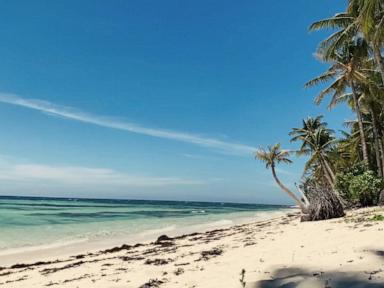
A tragic incident at a popular Fuerteventura beach recently left a British tourist dead. Emergency services pulled the 57-year-old man from the water at Sotavento Beach after he got into severe difficulty while swimming. A rescue helicopter rushed him to a local hospital, but medical staff could not save his life.
This isn't an isolated tragedy. It happens way too often in the Canary Islands. Sun-seeking holidaymakers arrive, look at the turquoise water, and assume it's a giant swimming pool. It isn't. The Atlantic Ocean is fierce, unpredictable, and entirely unforgiving.
If you are planning a trip to Fuerteventura, Lanzarote, or Tenerife, you need to understand the hidden dangers of these coastlines. The standard travel brochures won't tell you about the lethal rip currents or the true meaning of the beach flags. Relying on luck when you step into the surf is a terrible strategy.
What Happened at Sotavento Beach
Sotavento Beach is famous worldwide. It stretches for miles along the southeastern coast of Fuerteventura, drawing windsurfers, kiteboarders, and sunbathers. It looks like paradise.
The incident unfolded in the afternoon when witnesses spotted a swimmer struggling far from the shore. The emergency coordination center dispatched a helicopter from the Emergency and Rescue Group (GES) alongside local police and medical teams. Rescuers winched the unconscious man out of the sea and performed CPR right on the beach. They transferred him to the General Hospital of Fuerteventura, but his heart had stopped.
Many tourists see the expansive sandbanks of Sotavento and think the shallow lagoons mean safety. They don't realize that when the tide shifts, massive volumes of water move rapidly. The very geography that makes the beach beautiful also makes it incredibly dangerous for casual swimmers.
The Dangerous Illusion of Fuerteventura Waters
Fuerteventura literally translates to "strong fortune" or "strong wind." The wind shapes the entire island. It creates massive waves and powerful, invisible currents.
The biggest mistake swimmers make is misjudging the Atlantic Ocean. This isn't the Mediterranean. The water currents here are driven by deep-ocean swells and intense trade winds.
The Fatal Mechanics of Rip Currents
Most drowning accidents in the Canary Islands involve rip currents. These are powerful, narrow channels of fast-moving water that flow from the shore back out to the open sea.
- They don't pull you under. This is a massive misconception. Rip currents pull you away from the beach.
- They look calm. Rips often form in areas where waves aren't breaking. To an untrained eye, a rip looks like the safest, calmest spot to swim.
- They are faster than Olympic swimmers. You cannot outswim a rip current by heading straight back to shore. Trying to do so leads to exhaustion, panic, and drowning.
If you ever find yourself caught in a rip current, stop fighting the water. Flip onto your back and float. Breathe. Let the current carry you out until it weakens. Once the pull stops, swim parallel to the shoreline until you are out of the channel, then head back to land at an angle.
Decoding the Canary Islands Flag System Properly
Every managed beach in Spain uses a flag system. Yet, tourists ignore them daily. Walk down to any major beach in Jandia or Corralejo, and you will see people splashing around right in front of a red flag.
Let's clarify what these flags actually mean because your life depends on them.
A green flag means the water is safe for swimming. You still need to be cautious, but conditions are generally calm.
A yellow flag means caution. The water has active currents or waves. If you aren't a strong swimmer, stay out. Even if you are an expert, do not go out deep. Keep your feet firmly on the sand.
A red flag means swimming is strictly forbidden. It doesn't mean "swim at your own risk." It means the conditions are deadly. In many parts of Spain, ignoring a red flag can result in a massive fine from the local police. Worse, it can cost you your life.
If you arrive at a beach and see no flags at all, don't assume it's safe. It usually means the beach is unpatrolled. Unpatrolled beaches in Fuerteventura are wild zones. If you get into trouble there, help could be thirty minutes away.
Why Emergency Rescues Are More Complex Than You Think
When someone starts drowning in the ocean, time dissolves. The brain can only survive a few minutes without oxygen.
In the Fuerteventura incident, a helicopter had to be deployed. People often think a helicopter rescue is a magic safety net. It isn't. Deploying an air rescue team takes time. The chopper has to scramble, fly to the location, spot a tiny head in a massive expanse of moving water, and lower a rescue swimmer.
By the time the victim is winched up, they have usually swallowed significant amounts of saltwater. Saltwater causes acute respiratory distress and severe pulmonary edema. Even if rescuers get a pulse back on the beach, the damage to the lungs and brain is often irreversible.
How to Protect Yourself and Your Family
You don't need to avoid the ocean entirely during your holiday. You just need to respect it.
Stick to lifeguarded beaches. If you don't see a lifeguard tower with an active guard watching the water, do not swim there. This is especially true on the west coast of Fuerteventura, including places like Cofete. The west coast features massive Atlantic rollers and permanent, lethal undertows. Swimming there is essentially a gamble with your life.
Watch the locals. Local residents know the water. If the beach is packed with tourists but the locals are sitting on the sand and staying out of the water, take the hint. They know something you don't.
Keep a constant eye on children. Never turn your back on the ocean. A rogue wave can sweep a child or an elderly person off their feet in ankle-deep water and drag them into the surf zone in seconds.
Check the local marine weather forecasts before you pack your beach bag. Websites like Windguru or Magicseaweed give accurate breakdowns of wave heights, wind speeds, and swell periods. If the swell period is high, the waves carry immense energy, which means stronger rip currents.
The ocean doesn't care about your holiday plans. It doesn't care that you spent thousands on flights and hotels. Respect the flags, stay within your depth, and understand the mechanics of the water before you dive in.