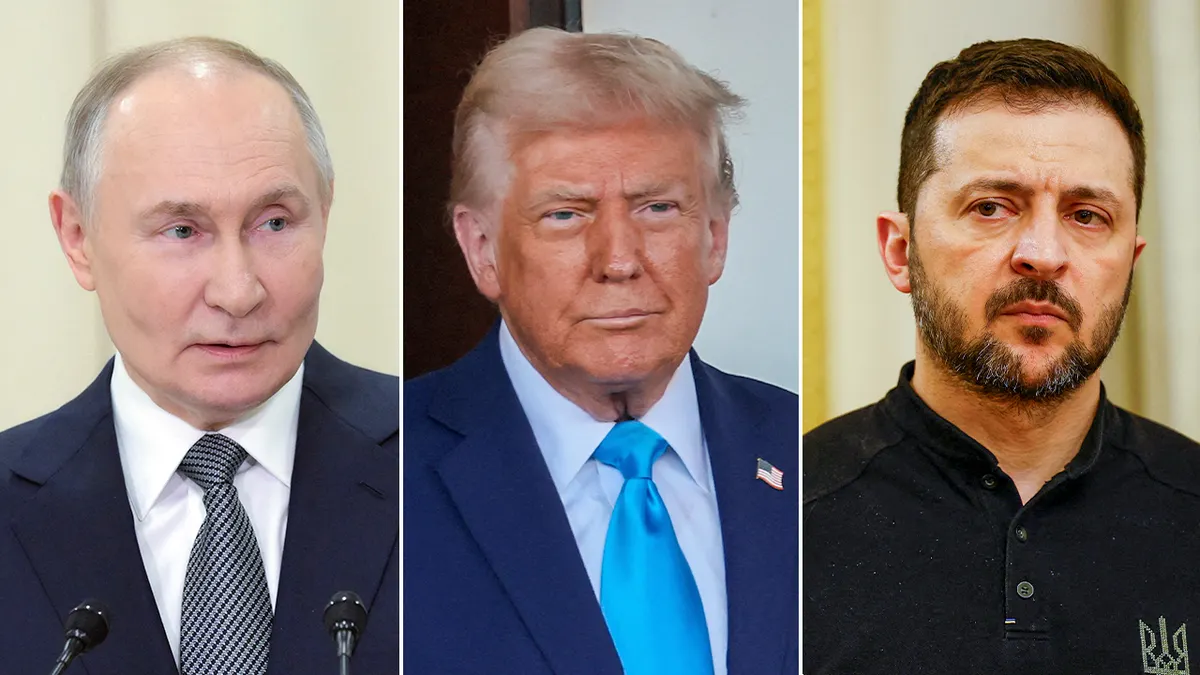
The ink isn't even dry on the headlines, and the victory laps have already started. The mainstream press is treating the announced ceasefire between Israel and Lebanon as a masterclass in diplomacy—a sudden, clean break from a year of escalating fire. They want you to believe that a few signatures and a "temporary" pause represent a return to stability.
They are lying to you. Or, at best, they are hopelessly naive.
What is being sold as a diplomatic breakthrough is actually a tactical reset that solves nothing and arguably makes the next explosion more violent. To understand why this "peace" is a mirage, you have to look past the podiums and into the mechanics of attrition, sovereignty, and the grim reality of border security that the pundits refuse to touch.
The Myth of the Buffer Zone
Every analyst on cable news is currently obsessed with "Resolution 1701." They speak about it like it’s a physical wall rather than a piece of paper that has been ignored for nearly two decades. The central argument for this ceasefire relies on the Lebanese Armed Forces (LAF) and UNIFIL moving into Southern Lebanon to ensure no armed groups remain south of the Litani River.
I have spent years watching how these "security arrangements" play out on the ground. Here is the brutal truth: a military that cannot control its own capital cannot police a border against a battle-hardened paramilitary force.
When you hear that the LAF will "enforce" the ceasefire, you are hearing a fairy tale. The LAF is cash-strapped, politically fractured, and shares a recruitment pool with the very groups it is supposed to disarm. Asking them to clear the south is like asking a local high school security guard to evict a cartel from a fortified compound. It won’t happen. It hasn’t happened since 2006, and it won’t happen in 2026.
By pretending the LAF is a viable enforcement mechanism, the international community is simply outsourcing the next war to a later date.
Why Temporary Ceasefires are Weapons of War
The word "temporary" is doing a lot of heavy lifting in these reports. In the world of high-stakes conflict, a temporary ceasefire isn't a bridge to peace; it is a logistical window.
Israel needs to rotate tired reservists, repair armor, and rethink its strategy for a potential multi-front escalation. Conversely, the opposition in Lebanon needs to rebuild shattered command structures, replenish rocket stockpiles smuggled through the Syrian corridor, and re-map Israeli battery positions.
We are not watching the end of a conflict. We are watching a pit stop in a Formula 1 race.
If you look at the data of "frozen" conflicts over the last century, short-term pauses without a fundamental shift in the underlying power balance lead to a 40% increase in lethality when hostilities resume. Why? Because the element of surprise is replaced by calculated, reinforced positions. Both sides use the quiet to ensure that the next time they pull the trigger, the impact is twice as devastating.
The Sovereignty Fallacy
The competitor's narrative suggests that a deal between "Israel and Lebanon" is a deal between two states. This is a fundamental misunderstanding of how power functions in the Levant.
Lebanon is not a Westphalian state in any traditional sense. It is a collection of feudal fiefdoms with a flag. When a government in Beirut signs a deal, they are signing for a territory they do not fully govern. This ceasefire creates a dangerous "accountability vacuum."
- Scenario A: A rogue cell fires a rocket. Beirut claims it wasn't them.
- Scenario B: Israel conducts a "targeted strike" to prevent a shipment. Beirut calls it a violation of the ceasefire.
Because there is no unified command structure on the northern side of the border, the ceasefire is designed to be violated. It creates a "He Said, She Said" dynamic that keeps the international community busy writing strongly worded letters while the actual combatants continue to sharpen their knives.
The Trump Factor: Optics over Objectives
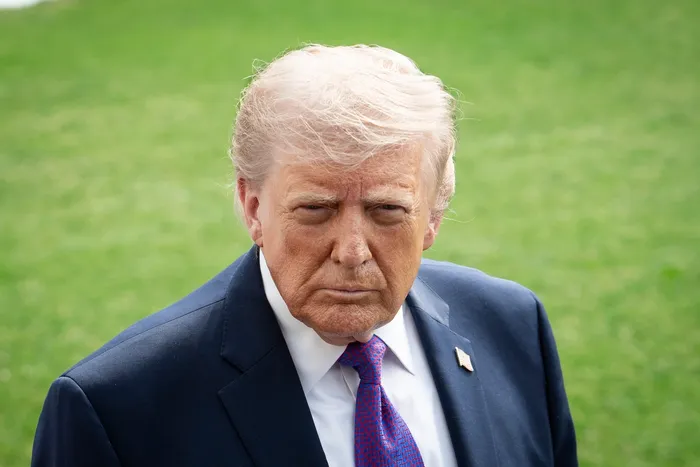
The rush to credit specific political figures—specifically the narrative that this is a "Trump-brokered" or "Trump-influenced" win—ignores the cold, hard logic of the Israeli security cabinet.
National leaders do not stop wars because of a phone call from a president-elect or a sitting leader unless their internal metrics for success have been met. Israel is considering this pause not because of diplomatic pressure, but because they have successfully decapitated the primary leadership of their adversary and need time to digest the intelligence gathered during the ground incursions.
Claiming this is a win for "art of the deal" diplomacy ignores the thousands of tons of munitions that actually moved the needle. Diplomacy here is just the cleanup crew for kinetic action. To suggest otherwise is to insult the intelligence of anyone who understands how regional power is actually projected.
The Economic Delusion
There is a growing chorus of "experts" claiming that Lebanon’s economic collapse will force this ceasefire to stick. The logic goes: "The country is broke; they can't afford a war."
This is the most common mistake Westerners make when analyzing the Middle East. Poverty does not prevent war; it fuels it. When a formal economy dies, the "resistance economy"—fueled by smuggling, black market fuel, and foreign subsidies—becomes the only game in town. War becomes a jobs program.
A ceasefire that doesn't address the fact that Lebanon’s banking system is a corpse is just a stay of execution. Without massive structural reform—which the current political class will never allow—the desperation of the populace will continue to be a fertile breeding ground for radicalism. You cannot eat a ceasefire agreement.
The Real Winner is Boredom
The only reason this deal is happening now is because the international media has "conflict fatigue." The world wants to look away, and a ceasefire gives them permission to do so.
But looking away is what allowed the stockpiles to reach 150,000 rockets in the first place. By calling this a "temporary ceasefire" and moving it to the back pages of the newspaper, we are repeating the exact mistakes of 2006, 2012, and 2021.
We are valuing the absence of noise over the presence of security.
Stop Asking "When Will it End?"
People keep asking when the war will finally be over. That is the wrong question. The right question is: "How much more lethal will the next phase be because we allowed this pause?"
True security in the region requires one of two things: a total military victory that changes the geography of the border, or a fundamental shift in the domestic politics of Lebanon that removes the dual-power system. Neither of those things has happened.
Instead, we have a "temporary ceasefire."
It is a sedative, not a cure. It calms the markets, eases the pressure on politicians, and allows the general public to go back to sleep. Meanwhile, in the tunnels and the mountain passes, the gears are already turning for the next round.
If you want to know what happens next, don't read the joint statements from the State Department. Watch the construction cranes and the truck convoys on the Syrian border. That is where the real "negotiations" are taking place.
The ceasefire isn't a peace deal. It's a reload.