The United States is currently pushing for what officials describe as the "toughest sanctions in history" against Iran. It's an aggressive move designed to force Tehran’s hand without triggering a full-scale regional war. But there is a massive, uncomfortable reality standing in the way: China.
If Washington wants to truly squeeze Iran's economic lifeline, it has to go through Beijing. Right now, China isn't just a casual observer. They are the primary buyer of Iranian crude, snapping up roughly 80% to 90% of Iran’s seaborne exports. For the White House, this presents a nightmare scenario. You can't effectively bankrupt a nation while its largest trading partner continues to cut it billion-dollar checks.
The China Factor in Global Oil
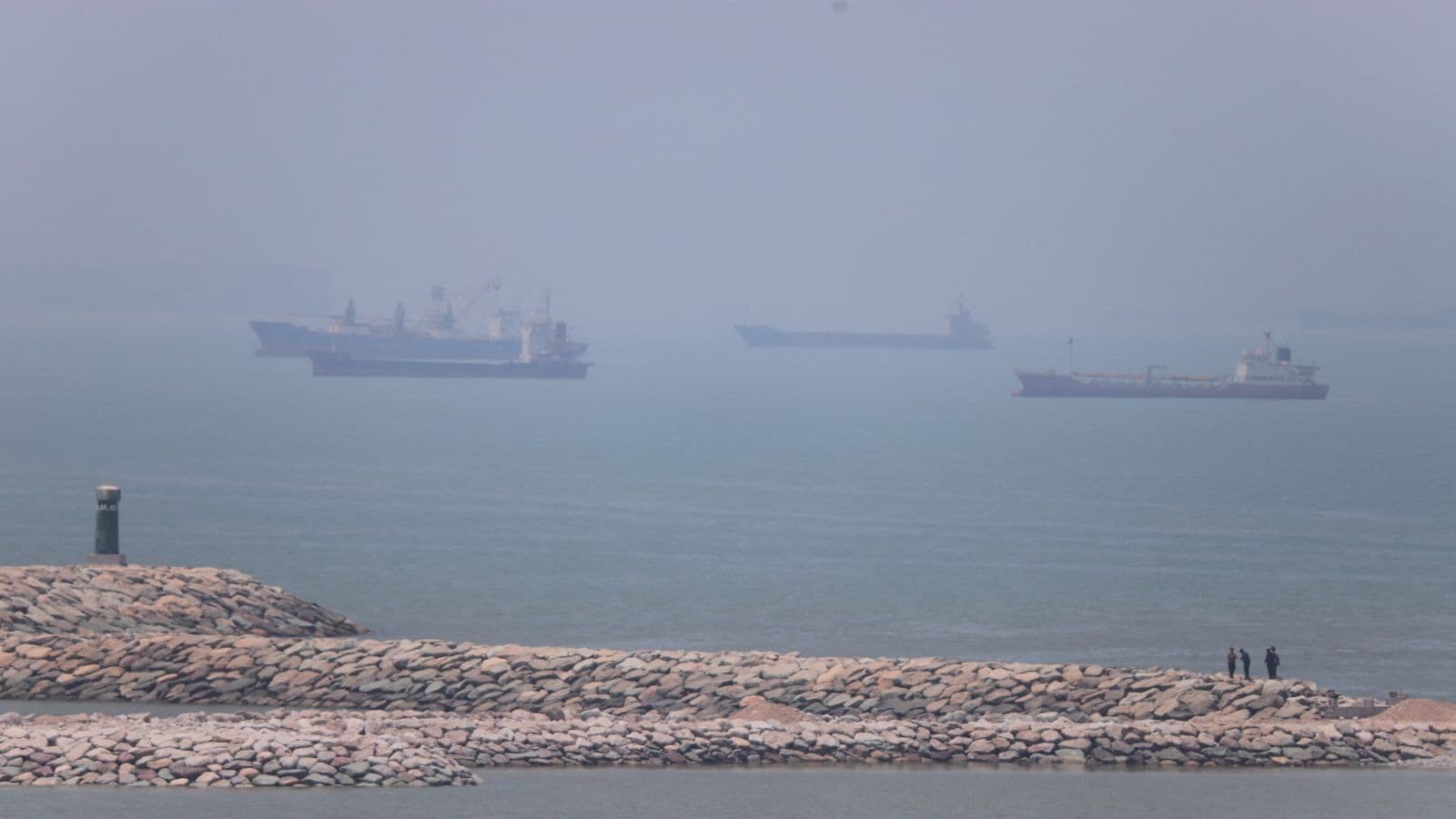
Most people assume that sanctions are a simple matter of international law. They aren't. They’re a messy, high-stakes game of financial enforcement. Beijing has spent years building a parallel system to move Iranian oil. They use a decentralized network of independent "teapot" refineries and shadow tankers that often turn off their transponders to avoid detection.
Once that oil reaches Chinese shores, it’s frequently rebranded. It might be labeled as oil from Malaysia or other Middle Eastern nations. This allows the oil to enter the global supply chain despite the sanctions. The payments? They aren't even handled in U.S. dollars. Beijing and Tehran have shifted toward using the renminbi and smaller, sanctioned-resistant banks to keep the cash flowing.
This is exactly why Washington is in a tight spot. If the U.S. imposes secondary sanctions on the major Chinese banks facilitating these trades, the global economic fallout would be massive. We’re talking about a significant disruption to the U.S.-China trade relationship.
The Delicate Price Balance
Washington is walking a razor-thin line. They want to cut off Iran's revenue, but they also desperately need to keep global oil prices stable. We’ve already seen the volatility caused by the 2026 conflict and the temporary closure of the Strait of Hormuz. When supply drops, prices spike. If the U.S. succeeds in completely removing Iranian oil from the market—which accounts for a significant chunk of global supply—the price of crude would likely skyrocket.
Higher energy prices hurt everyone. They drive up inflation and put massive pressure on voters. The current U.S. administration is clearly aware of this, which is why Treasury Secretary Scott Bessent has been vocal about wanting China to help reopen shipping routes rather than just being a passive buyer. The hope in Washington is that Beijing will act as a responsible stakeholder.
The problem? Beijing doesn't see it that way. They’ve repeatedly stated that sanctions don’t solve problems. They rely on Gulf energy for roughly 50% of their total supply. For them, keeping those energy flows steady—and cheap—is a domestic priority that outweighs U.S. foreign policy goals.
The Reality of Enforcement
You should stop expecting a magic bullet here. The U.S. approach is effectively a "one-two punch" of blockades and sanctions, but as long as the "shadow fleet" exists, there will be holes in the net.
If you want to understand where this is heading, watch the private talks between Washington and Beijing. Bessent noted that some discussions are best kept behind closed doors. That’s because the public posturing is theater. The real decisions are being made in meetings where the U.S. tries to convince China that an unstable Middle East—and a collapsed Iranian regime—is eventually going to hurt their own energy security.
Don't buy into the idea that this will end quickly. Sanctions are a slow-burn strategy. They only work if the international community stays unified, and with China’s current appetite for discounted Iranian crude, unity is nonexistent. Until Washington is willing to risk a total trade showdown with Beijing, the oil will keep moving, the tankers will keep disappearing off the radar, and the sanctions will remain more of a headache for Iran than a death blow.
If you’re watching the markets, keep your eyes on the shipping data and the activity of independent Chinese refiners. That’s where the real story is playing out. The headlines about "toughest sanctions" are just the opening move. The endgame is about whether the U.S. can offer China enough of an incentive to stop fueling Tehran. If not, this cycle of shadow trading will simply continue, keeping Iran’s economy on life support while global prices remain tethered to the volatility of the Strait.
Shadow tankers and Iran's oil evasion
This video provides a practical look at how the shadow fleet operates to bypass global sanctions, explaining the mechanics behind the flow of Iranian oil.
http://googleusercontent.com/youtube_content/1