Imagine standing on the deck of a commercial oil tanker, feeling the steady rumble of diesel engines beneath your boots as you enter a strip of water just twenty-one miles wide. To your left are the jagged, sun-bleached cliffs of Oman; to your right, the heavily fortified coast of Iran. This is the Strait of Hormuz. Through this narrow chokehold passes one-fifth of the world’s petroleum every single day. For the mariners piloting these massive vessels, it is no longer just a trade route. It is a shooting gallery.
Rhythm dictates life at sea, but lately, that rhythm is dictated by the terrifying whistle of incoming drones and the thunder of retaliatory airstrikes. A fragile ceasefire, signed with optimism just last month to pause a brutal conflict, has vanished like a mirage in the desert heat. In its place is a raw, unyielding battle of wills between Washington and Tehran over who truly owns the right of passage.
Consider the sheer speed of the collapse. On a Monday, three commercial merchant vessels transiting the strait are suddenly targeted and hit. Panic ripples through the global shipping community. By Tuesday evening, the sky over southern Iran lights up in a fury of orange and white as U.S. Central Command launches massive airstrikes, hitting eighty military targets along the coastline. Within twenty-four hours, another ninety Iranian targets are pounded—air defense systems, drone storage sites, and coastal surveillance networks reduced to smoking ruins. From the diplomatic stage in Ankara, the American president declares the peace deal dead. He calls the adversarial leadership "scum" and promises to hit back twenty-to-one.
Yet, amid the smoke billowing from the port of Kuhestak and the ruined control towers of Chabahar, the view from Tehran is not one of surrender. It is one of deep, furious defiance.
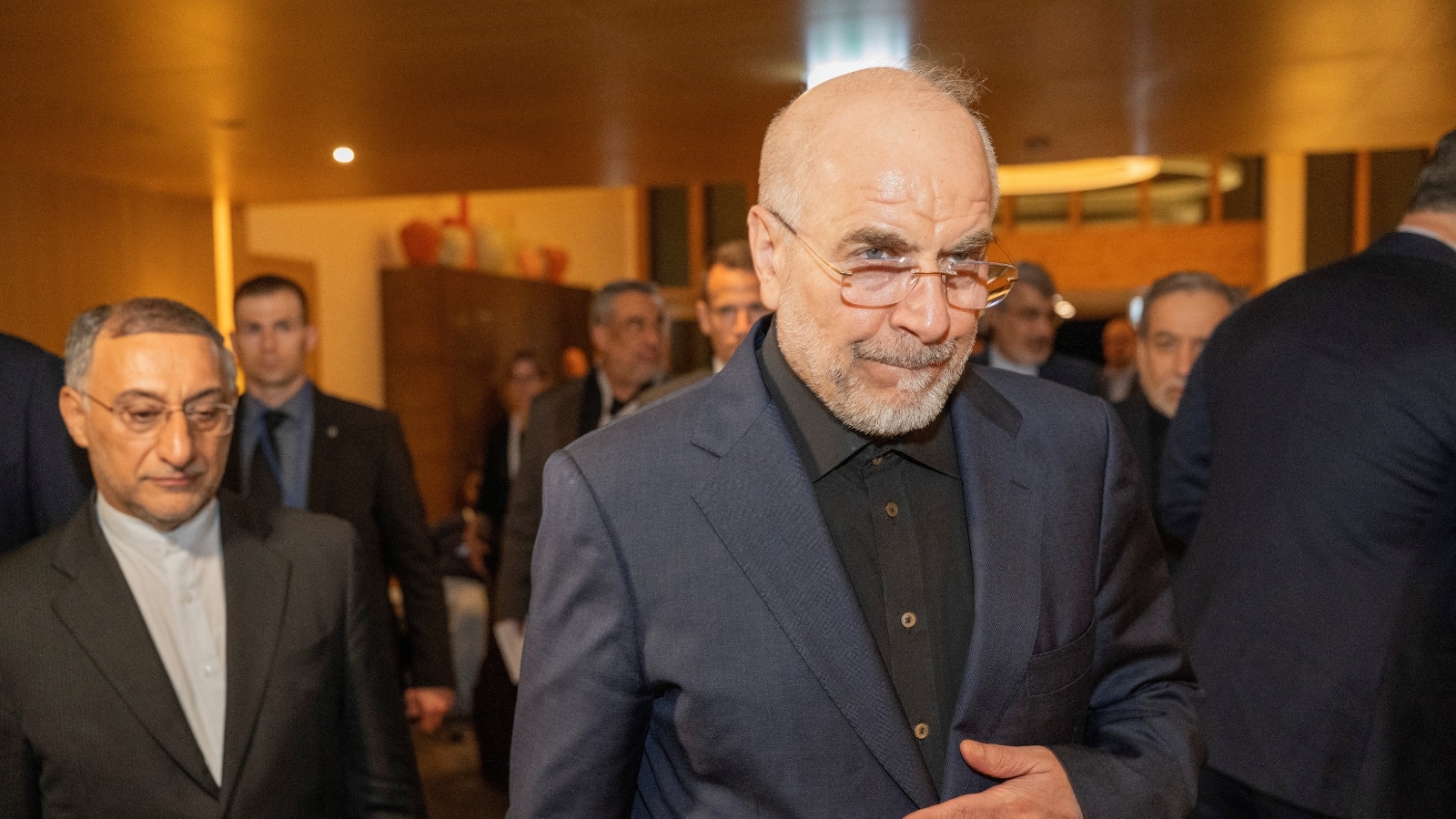
Mohammad Baqer Ghalibaf, the speaker of Iran’s parliament and its chief negotiator, took to social media not to plead for a de-escalation, but to draw a line in the shifting sand. His words were stripped of traditional diplomatic pleasantries.
"Let me put it plainly: if you strike, you'll get hit," Ghalibaf warned.
He accused Washington of breaking its promises, reinstating oil sanctions, and engaging in "bullying and extortion". To Tehran, the United States is an unreliable partner that expects compliance while unilaterally revoking the economic lifelines promised in the peace memorandum. The message from Iran’s command centers is absolute: the era of backing down under pressure is over. They do not fold.
The core of the dispute lies in how the two nations view this vital waterway. To the United States and its international allies, freedom of navigation is a universal right, protected by international law; a commercial vessel should be able to sail without fear of extortion or attack. But Iran views the Strait of Hormuz as its ultimate geographic leverage. Ghalibaf made it explicitly clear that the strait will only open under "Iranian arrangements," rejecting any American threats or attempts to dictate traffic. Tehran wants to establish a system where ships register with them, follow their designated routes, and potentially pay fees to pass. They are willing to risk a renewed, full-scale military conflict with the world’s superpower to enforce that control.
But look past the grand political rhetoric and the military chest-thumping. Think of the invisible stakes.
Think of the merchant mariners—ordinary citizens from across the globe—trapped in the crossfire of geopolitical giants. Think of a firefighter killed at an Iranian airport during an airstrike, or the regional air raid sirens sending families scrambling to shelters in Bahrain and Kuwait as the Islamic Revolutionary Guard Corps fires back at U.S. bases.
Every missile fired and every tanker targeted sends a tremor through global markets. When the Strait of Hormuz is threatened, the cost of insurance for shipping lines skyrockets. The price of oil jumps. Ultimately, a dispute over twenty-one miles of water in the Middle East changes the price of food, fuel, and basic goods for a family living thousands of miles away.
The tragedy of the situation is that both sides believe they are acting out of pure necessity. Washington believes that if it does not forcefully punish attacks on shipping, global trade will descend into chaos. Tehran believes that if it bows to American military might, it forfeits its sovereignty and its strongest shield against foreign intervention.
The wreckage along the Iranian coastline and the retaliatory drones intercepted over Kuwait reveal a grim reality: the paper agreements signed in comfortable Swiss negotiation rooms mean nothing when neither side trusts the other to keep their word.
The international community watches anxiously, hoping that mediators can somehow stitch the frayed threads of diplomacy back together. But as long as the United States demands unconditional freedom of the seas and Iran insists that the gateway to global energy opens only on its own terms, the strait remains a volatile powder keg.
The peace is gone. The warnings have been issued. The next ship entering those narrow waters will do so under the shadow of guns that are loaded, aimed, and entirely ready to fire.