Western leaders just don't get West Africa. They think every global debate is a carbon copy of their own domestic culture wars.
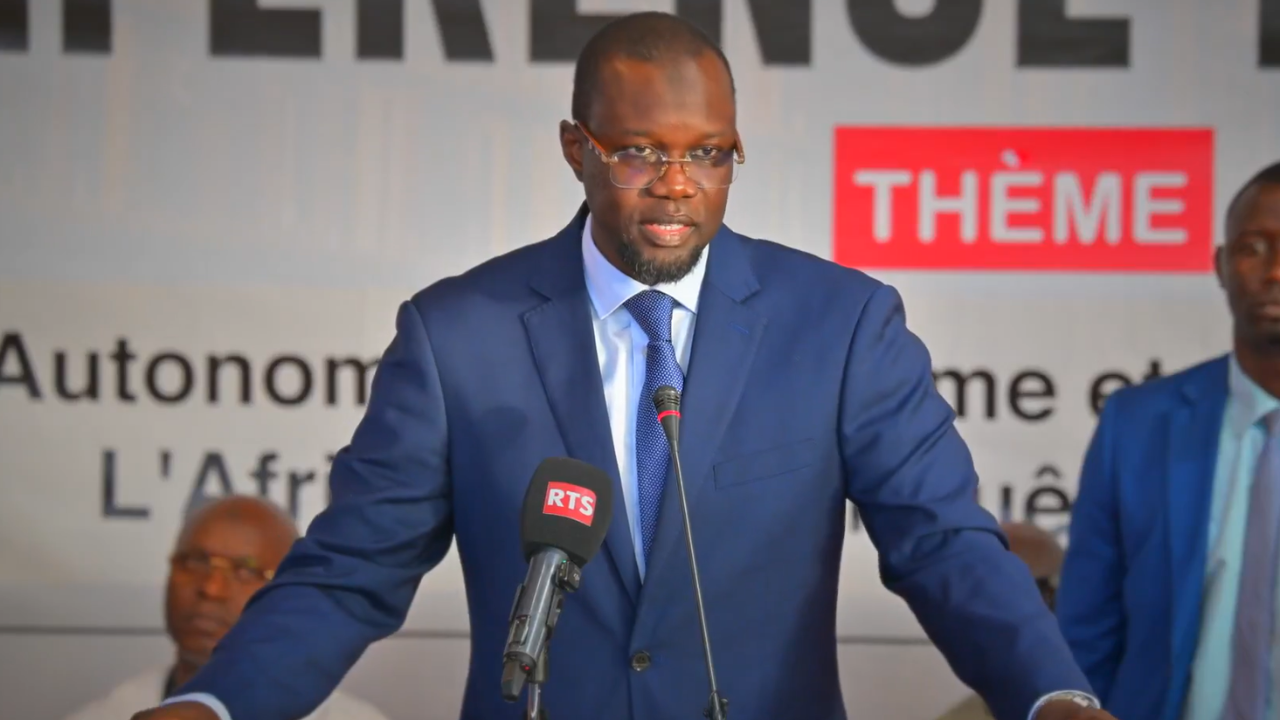
When Senegal Prime Minister Ousmane Sonko stood before his National Assembly on May 22, 2026, and blasted what he called Western "tyranny" trying to impose homosexuality on the rest of the world, international media outlets immediately rushed to print variations of the same headline: "Shocking claims from Dakar."
But if you actually talk to people on the ground in Dakar, or look at the political landscape shifting across the Sahel, there's absolutely nothing shocking about it. It's exactly what Sonko promised his voters. More importantly, it's a window into how deeply fractured the relationship between Europe and its former colonies has become.
The Western press treats this purely as a human rights story. To Sonko and the majority of the Senegalese public, it's an issue of national sovereignty. Until external diplomats understand that distinction, they'll keep making the same tactical mistakes.
The Reality Behind the New Penalties
Let's look at what actually changed. In late March 2026, President Bassirou Diomaye Faye enacted a highly restrictive piece of legislation that dramatically altered Senegal's penal code.
Previously, the state used a broad mandate against "acts against nature" to criminalize same-sex relations, carrying sentences of one to five years. The updated law effectively doubles down on those penalties.
- Lengthened Prison Terms: Jail time for same-sex sexual acts now ranges from five to 10 years.
- Targeting Advocates: The new rules introduce three-to-seven-year sentences for anyone found guilty of promoting, financing, or "glorifying" unnatural acts.
- Broader Definitions: The legal framework expands the scope of what constitutes an offense, legalizing a much wider dragnet for local police.
Human rights organizations are panicking. United Nations Human Rights Chief Volker Turk warned that the law exposes citizens to arbitrary arrests, blackmail, and widespread discrimination in healthcare and housing. He isn't wrong about the immediate fallout. In February alone, a dozen men were rounded up in Dakar under the pretext of these laws, and local activists describe a climate of growing fear.
But why is a administration that campaigned on fresh, progressive economic ideas leaning so hard into social conservatism?
Sovereignty as a Political Shield
To understand Sonko's speech, you have to look back at May 2024. Freshly installed as Prime Minister, Sonko hosted French leftist politician Jean-Luc Mélenchon at the University Cheikh-Anta-Diop in Dakar. Mélenchon, a staunch defender of marriage equality, gently pushed the issue of LGBTQ rights during a conference. Sonko didn't flinch. He told Mélenchon directly that while he respected Western debates, the issue caused "enormous tension" in Senegal because it directly collided with local cultural and religious values.
Fast forward to May 2026. Sonko isn't playing polite diplomat anymore. He's furious about the backlash his government has faced from Paris and Brussels over the March legislation.
"There are perhaps eight billion human beings in the world. Eighty percent or more don’t want this," Sonko told lawmakers. "No Arab country will criticize us, nor will any African country, but there is a nucleus called the West which wants to impose it on the rest of the world because they have the money and control the media."
You can disagree with his statistics all you want, but you can't ignore how effectively this rhetoric works. By framing the anti-LGBTQ crackdown as a defensive wall against Western neo-colonialism, Sonko completely neutralizes internal political opposition. If you oppose the law, you're not just defending human rights; in the eyes of the state, you're acting as an agent for foreign powers.
Senegal is a deeply conservative, Muslim-majority nation where religious brotherhoods hold immense social sway. Anti-gay sentiment has been rising steadily since 2018. Political leaders know that showing any leniency on this topic is a quick way to lose domestic legitimacy.
The Broader African Trend
Senegal isn't operating in a vacuum. It's following a playbook that has gained massive traction across the continent. Roughly 65 countries worldwide criminalize same-sex relations, and more than half of them are in Africa.
Look at Ghana, where parliament passed a sweeping anti-LGBTQ bill in early 2024. Look at Uganda's severe laws that grabbed global headlines in 2023. Whenever Washington or London threatens to cut foreign aid or restrict trade agreements because of these laws, it backfires spectacularly. Local politicians use those exact threats as proof that the West is attempting to bully sovereign African nations.
Western diplomats consistently fail to realize that their public condemnations serve as free campaign material for leaders like Sonko. The more the West lectures, the more popular the crackdown becomes locally.
What Happens Next
If you're watching this situation unfold and wondering how it resolves, the answer is: it doesn't, at least not anytime soon. The Faye-Sonko administration is deeply committed to its nationalist, anti-imperialist platform. They won power by promising to renegotiate oil, gas, and fishing contracts with foreign corporations, and by pledging to safeguard Senegalese culture from external pressure. They aren't going to back down on a cornerstone cultural policy just because the UN issues a worried press release.
For international businesses, NGOs, and diplomatic missions operating in West Africa, the ground rules have fundamentally shifted.
- Expect Strict Local Enforcement: The era of local authorities quietly turning a blind eye to private behavior is fading. The explicit criminalization of "financing" and "promoting" means international organizations must audit their programs to ensure local staff aren't inadvertently targeted under the broad legal definitions of the new law.
- Move Beyond Public Lecturing: Western entities wanting to support vulnerable populations in Senegal need to stop relying on high-profile public pressure campaigns. They don't work. They only harden the government's stance and put local activists in deeper danger by branding them as Western collaborators.
- Watch the Economic Fallout: Watch how Western financial institutions respond to Senegal's upcoming bond requests and development projects. If the West attempts to restrict capital over human rights disputes, expect Dakar to pivot even harder toward funding from the Gulf states and Beijing, neither of which will ever bring up the topic of social legislation.
Sonko's rhetoric might sound abrasive to Western ears, but it represents a calculated, highly popular strategy rooted in the region's current geopolitical realities. Dismissing it as a "shocking claim" ignores the complex intersection of post-colonial pride, religious traditionalism, and modern political survival that defines West Africa today.