/GettyImages-528402760-5b737528c9e77c0057beb164.jpg)
The desk lamp buzzes with a low, electrical hum that seems to sync with the frantic rhythm of my own pulse. Outside, the city sleeps under a heavy blanket of autumn humidity, completely unaware that the air inside this room is dangerously thin. Stare at a blinking cursor long enough, and financial reports start to look like ancient runes. Cryptic. Imposing. Designed to keep the ordinary person outside the glass doors, pressing their face against the frost.
We are told not to worry about the Federal Reserve. We are told they are steady hands on a heavy wheel. But right now, that wheel is shaking. Don't miss our recent article on this related article.
Picture Sarah. (This is a hypothetical scenario to ground the math, though her kitchen table looks identical to yours.) Sarah sits in a sunlit kitchen in Ohio, staring at a stack of unopened bills. She has a variable-rate mortgage, a credit card balance from a dental emergency last spring, and a small savings account earning next to nothing. To Sarah, Jerome Powell is just a face on a television screen, a man who speaks in flat, measured cadences that sound suspiciously like weather forecasts. Yet, this exact man is about to decide whether Sarah keeps her home or has to downsize before the winter frost sets in.
The September decision used to feel predictable. A sleepy late-summer meeting where technocrats adjusted dials by a quarter-point and everyone went back to their vacations. Not anymore. To read more about the context here, The Motley Fool provides an informative breakdown.
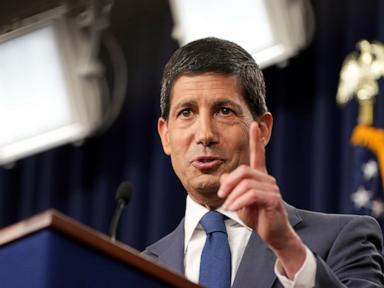
Since Kevin Warsh entered the wider conversation around monetary policy shifts, the ground has shifted beneath our feet. The odds of a September rate hike are no longer a distant theoretical exercise for hedge fund analysts in Manhattan. They are a coin flip. Heads, the economy gets another squeeze to choke out the stubborn ghost of inflation. Tails, borrowing costs stay locked in a painful high-altitude freeze that drains consumer blood slowly, drop by drop.
The Anatomy of a Pivot
To understand why this moment feels so heavy, we have to look past the financial jargon. The Federal Reserve operates on a simple, brutal premise. They are trying to land a commercial jet in dense fog without any instruments except a rearview mirror.
Every time interest rates go up, a chain reaction rattles through the system. Think of it like dropping heavy stones into a small pond. The first splash hits the corporate boardroom, where expansion plans are abruptly shelved. The second splash hits local banks, tightening the grip on who gets a car loan or a small business line of credit. By the time the ripples reach Sarah’s kitchen table, they have turned into a tidal wave of higher monthly payments.
For months, the consensus was cooling. Inflation numbers ticked down. The labor market showed signs of respectable exhaustion. People breathed a collective, quiet sigh of relief. We thought the worst of the rate-hiking crusade was history.
Then reality bit back.
Economic data refused to behave. Employment remained stubbornly resilient, and price pressures proved as sticky as spilled honey on a hardwood floor. Enter the Warsh effect—a sharp pivot in market expectations that injected a fresh dose of volatility into an already exhausted system. Suddenly, the possibility of a September rate hike roared back to life. Wall Street blinked, panicked, and started repricing risk in real time.
Living in the Margins
I know what it feels like to wait for a central bank meeting like a sentence from a judge. Years ago, during a different economic tremor, I watched my own small business buffer evaporate over the course of two consecutive rate hikes. You look at your cash flow spreadsheet, and the numbers stop being numbers. They become rent. They become payroll. They become the quiet dread of picking up the phone when a vendor calls.
That is the invisible human cost that never makes it onto the glossy PDF reports published by economic think tanks.
When the Fed increases rates, they are pulling a massive brake lever. But brakes do not apply evenly. Large corporations with deep cash reserves barely feel the friction; they simply earn higher yields on their massive cash piles. It is the Sarahs of the world—the small business owners, the first-time homebuyers, the families juggling tuition and grocery bills—who absorb the full kinetic force of the stop.
The debate over the upcoming September decision is fierce because the margin for error has evaporated. Hike too aggressively, and you risk tipping a fragile labor market over a cliff into a recession. Cut or hold too soon, and you risk unanchoring inflation expectations, letting the price monster out of its cage all over again.
The Sound of the Coin in the Air
Markets hate uncertainty more than they hate bad news. Bad news can be priced in, absorbed, and moved past. Uncertainty leaves everyone paralyzed, staring at the ceiling at three in the morning, wondering how much a gallon of milk will cost next month or whether their adjustable loan is about to reset into unaffordability.
The coin is currently spinning in the air.
When it lands, the sound will reverberate from the trading floors of Chicago to the quiet suburban streets of the Midwest. It will dictate the cost of a car, the yield on a savings bond, and the psychological safety net of millions of families who just want a stable floor to stand on.
We are not just watching a monetary policy adjustment. We are watching a high-stakes gamble on the resilience of the American consumer. And as the clock ticks down toward September, the only certainty left is that the fallout will touch every single one of us, long after the television screens go dark and the analysts pack up their briefcases.