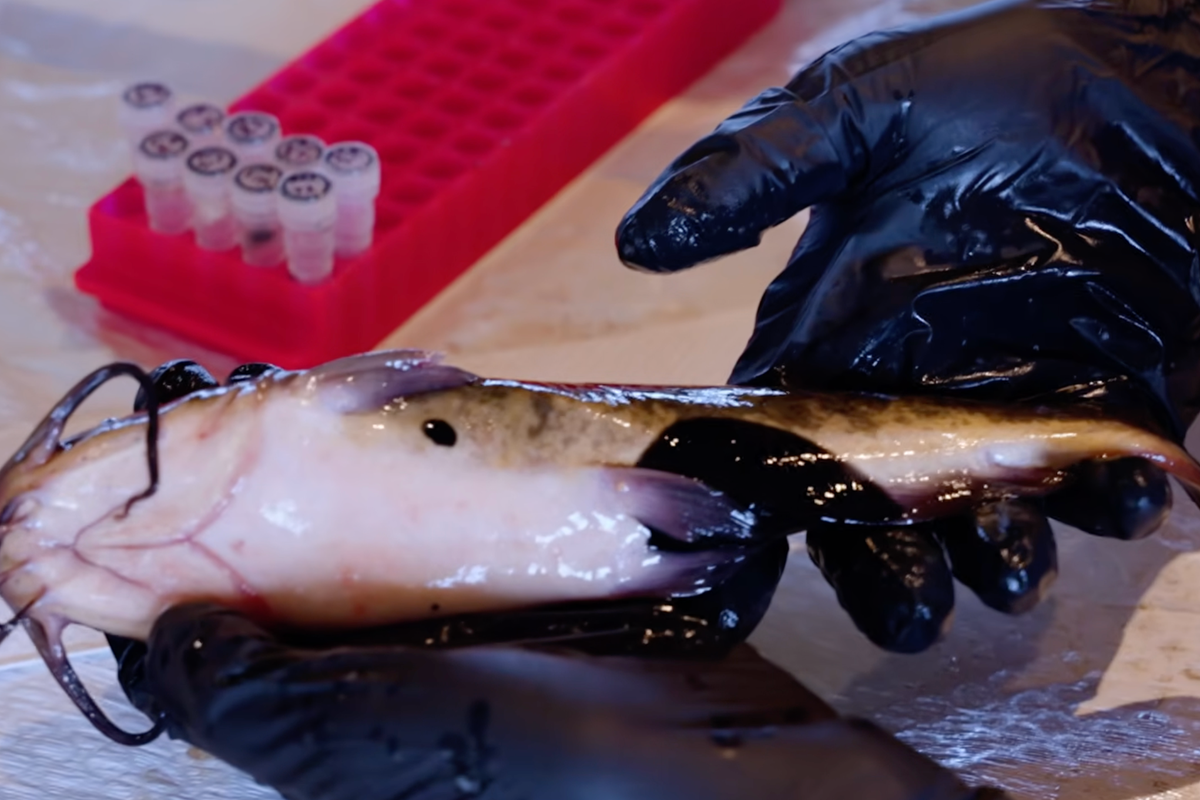
Every summer, the news repeats the exact same script. Fresh produce gets recalled, public health warnings multiply, and thousands of people fall violently ill from a microscopic parasite called Cyclospora cayetanensis. You hear the standard advice to wash your greens thoroughly. But washing does almost nothing against this bug.
The real issue goes much deeper than dirty kitchen counters. Our modern food infrastructure relies on massive centralization. A handful of mega-distributors now control what lands on grocery store shelves nationwide. When contamination happens at the source, it doesn't stay local anymore. It travels across state lines in hours, turning a localized farm accident into a coast-to-coast public health emergency.
How Centralization Amplifies Contamination
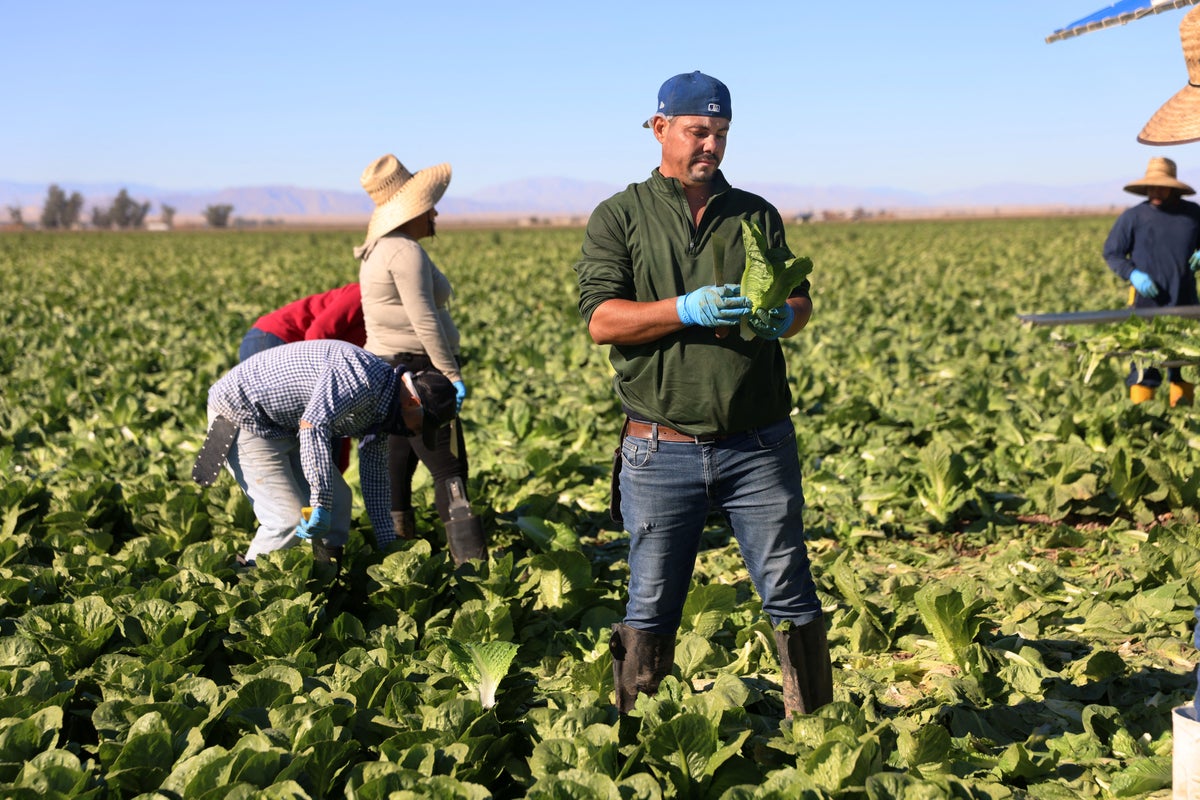
Decades ago, regional food systems meant outbreaks stayed small. If a farm in Ohio had a water sanitation failure, people in Ohio might get sick. Today, massive agribusinesses pool harvests from hundreds of smaller independent farms, washing them in giant communal industrial tanks before distribution.
Think about what happens in a communal processing facility. If a single batch of irrigation water carries Cyclospora oocysts, that water mixes with produce from twenty other farms. The pathogen spreads across massive volumes of basil, cilantro, or bagged salad mixes.
Public health researchers point out that standard produce washing protocols cannot eliminate this parasite. Cyclospora is tough. It resists standard chlorine concentrations used in commercial processing plants. Once it clings to the textured surface of a leafy green or gets trapped inside bruised tissue, it stays there.
The Logistics of Modern Agribusiness
Efficiency is the primary goal of the modern supply chain. Supermarkets demand year-round consistency, low prices, and massive volume. To meet these demands, food travels thousands of miles before you buy it.
This hyper-efficient distribution network works brilliantly for keeping grocery shelves full. However, it creates a nightmare for food safety investigators. Tracing an outbreak back to its exact origin used to take days. Now, it takes weeks because a single pallet of contaminated greens gets split up, repackaged, and shipped to distribution centers in thirty different states.
By the time the Centers for Disease Control and Prevention maps the cluster of illnesses and issues a warning, thousands of infected shoppers have already eaten the contaminated food. The incubation period for Cyclospora makes tracking even harder. People often don't show symptoms for a week after eating tainted produce, meaning they have completely forgotten their exact meals by the time they get sick.
What You Can Actually Do
You cannot completely outsmart a national food distribution failure in your home kitchen. Cooking kills the parasite instantly, but nobody wants to boil their salad greens.
If you want to reduce your exposure, shift your purchasing habits during peak outbreak seasons, which usually run from spring through late summer. Buy local produce from farmers markets whenever possible. Shorter supply chains mean fewer points of contact and significantly lower risks of large-scale contamination.
Inspect imported herbs and bagged salads carefully. When federal health agencies announce broad warnings about specific imported berries or leafy greens, take them seriously and throw the items out immediately. Do not rely on rinsing with tap water or vinegar washes. They will not protect you from microscopic parasites embedded in commercial produce batches.
Demand better transparency from grocery chains. Until structural changes hit the agricultural sector, staying safe means paying closer attention to where your food originates.