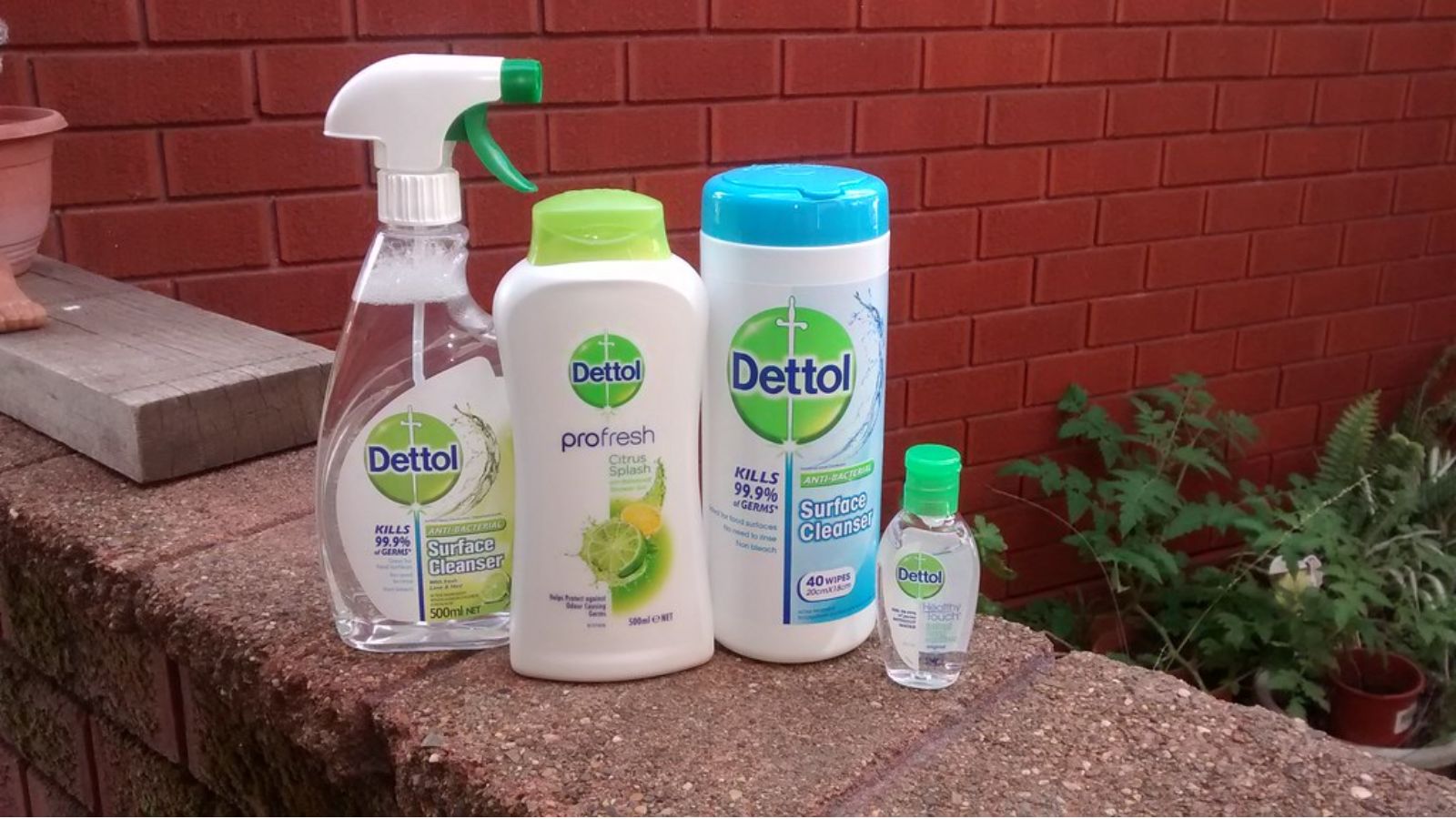
Reckitt Benckiser found itself at the center of a severe consumer backlash in China after its flagship disinfectant brand, Dettol, published a marketing campaign that directly linked a woman’s physical cleanliness to her moral and relationship purity. The controversial advertisement, distributed across major Chinese digital platforms, suggested that women needed to utilize sanitizing products to maintain their appeal and virtue, triggering immediate condemnation from consumers and gender equality advocates alike. This corporate misstep forced an immediate public apology from the multinational consumer goods giant, but the fallout highlights a much deeper systemic failure in how Western brands navigate the complex cultural realities of modern Chinese consumer markets.
The incident was not merely an isolated case of a tone-deaf copywriter making a mistake. It represents a recurring vulnerability within global marketing departments that rely on outdated, highly gendered tropes to drive sales in regions where societal expectations are shifting rapidly.
The Mechanics of the Backlash
The promotional material in question explicitly tied the use of antibacterial products to a woman's value and hygiene status within personal relationships. By leveraging anxiety around cleanliness and mixing it with traditional expectations of female purity, the campaign alienated the exact demographic it needed to court. Young Chinese consumers, particularly urban women, possess immense purchasing power and an increasingly low tolerance for patriarchal messaging disguised as health advice.
Social media platforms like Weibo and Xiaohongshu erupted with criticism within hours of the campaign going live. Users pointed out the blatant double standard inherent in the messaging, noting that marketing campaigns targeted at male consumers rarely, if ever, tie product utility to moral standing or relationship security. The backlash escalated to a point where calls for a comprehensive boycott of Dettol products began trending, forcing corporate executives into damage control mode.
Reckitt issued a formal statement expressing deep regret for the offense caused, claiming the language used did not reflect the company’s values and promising a thorough internal review of their advertising approval protocols. Such apologies have become a standard corporate ritual. They follow a predictable script that rarely addresses the structural blind spots that allowed the material to clear multiple levels of corporate sign-off in the first place.
The Broken Pipeline of Localized Marketing
Global corporations operating in China frequently employ a decentralized marketing structure. They hire local agencies to create content that resonates with regional audiences while relying on internal brand managers to ensure compliance with global guidelines. When a disaster of this scale occurs, it exposes a critical breakdown in this pipeline.
Local creative agencies often push boundaries to generate engagement in a highly competitive digital ecosystem. In their drive to cut through the noise, they sometimes fall back on regressive cultural archetypes that still linger in certain societal segments. If the internal brand managers overseeing these agencies lack the critical awareness or the institutional authority to veto problematic content, the result is a public relations catastrophe.
[Global Brand Strategy] ──> [Local Agency Creative] ──> [Weak Internal Review] ──> Public Backlash
This structural vulnerability is exacerbated by the sheer speed of the Chinese digital marketplace. Content is produced and deployed at a velocity that frequently bypasses rigorous ethical screening. The desire to capture fleeting online trends overrides the necessity for careful brand stewardship, leading to short-sighted campaigns that jeopardize decades of built-up consumer trust for a temporary spike in click-through rates.
Chasing the Myth of Traditional Values
Many international firms fall into the trap of viewing the Chinese consumer base through a monolithic lens, mistakenly believing that appealing to traditional values requires reinforcing outdated gender roles. This miscalculation ignores the profound social transformation that has taken place across China over the last few decades.
Women in China now account for a significant portion of higher education graduates and occupy vital positions across the workforce. They are financially independent decision-makers who view hygiene and wellness products as tools for personal health and self-care, not as instruments to validate their worth to others. When a brand like Dettol frames sanitization as a prerequisite for female purity, it fundamentally misreads the psychology of the modern consumer.
The commercial danger of this misreading cannot be overstated. Western brands no longer enjoy an automatic premium purely by virtue of being foreign. Domestic Chinese brands are rising rapidly, offering high-quality alternatives backed by sophisticated, culturally resonant marketing that respects the intelligence and autonomy of the consumer. A foreign brand that alienates its audience with regressive messaging provides a direct advantage to local competitors waiting to capture that market share.
The Illusion of Risk Mitigation
In the aftermath of marketing crises, multinational corporations invariably promise to implement stricter review processes and enhanced sensitivity training for their regional teams. These measures treat the symptoms rather than the underlying malady. The real issue is the lack of diverse perspectives at the decision-making table where long-term strategy is forged.
A review process consisting solely of checkboxes and compliance forms will always fail to catch nuanced cultural offense. True risk mitigation requires an organizational culture where team members feel empowered to challenge assumptions and push back against questionable creative directions. Until companies actively foster an environment where critical internal feedback is valued over corporate conformity, offensive campaigns will continue to slip through the cracks.
The Dettol incident serves as a stark warning to the wider consumer goods industry. Cleanliness is a matter of public health, science, and personal well-being. Attempting to moralize it, or to weaponize societal anxieties against a specific gender, is a strategy that carries immense financial and reputational risk. The modern marketplace punishes brands that fail to align their commercial objectives with the lived realities and dignity of their consumers.