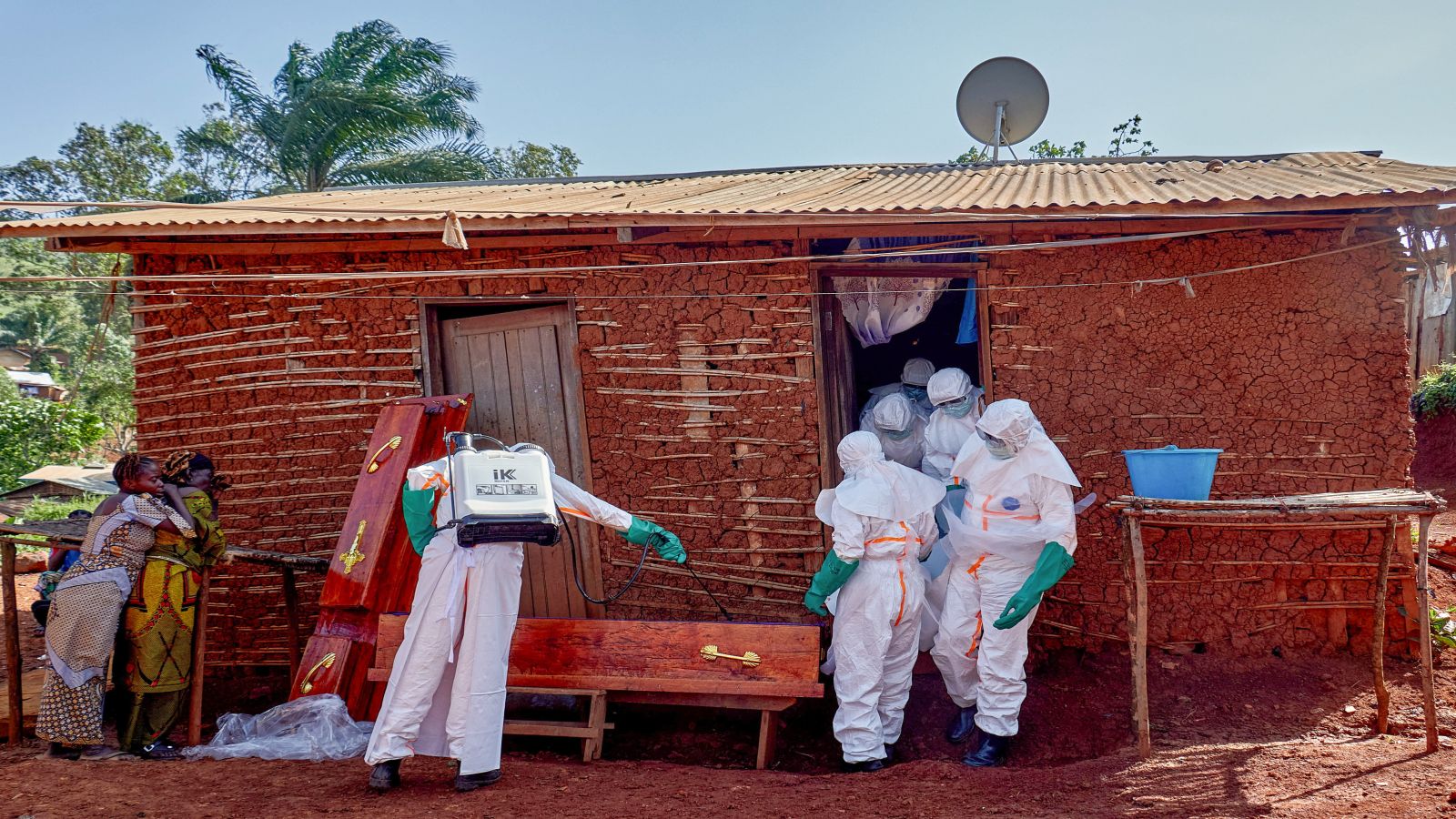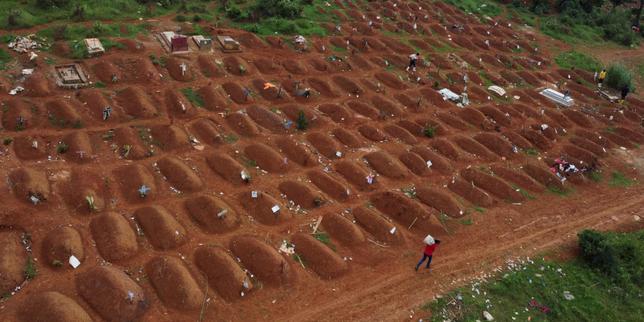
The standard headline screams a tidy, terrifying number. Over three thousand dead, more than six thousand cases confirmed. Mainstream reports treat the 2018-2020 Kivu Ebola epidemic in the Democratic Republic of Congo like a gruesome accounting ledger. Add up the pathogens, subtract the recoveries, display the net loss, and express polite horror.
This framing is lazy, comfortable, and profoundly wrong.
When you fixate entirely on body counts and transmission chains, you miss the systemic architecture that actually drives the crisis. I have watched international public health bureaucracy hemorrhage millions of dollars into high-tech containment silos while local trust evaporated entirely. We are treating a symptom of social collapse with a syringe and hoping the numbers go down.
Stop asking how many people caught the virus. Start asking why the population trusted armed militia groups more than the people in white biohazard suits.
The Fallacy of the Clinical Monoculture
Epidemiologists love a clean narrative. Vector meets host, virus replicates, immune system responds or fails. It looks pristine on a whiteboard at the World Health Organization headquarters in Geneva.
Real life in Beni and Butembo is messier.
For decades, the eastern DRC has endured state neglect, resource extraction violence, and institutional corruption. When a team of foreign experts flies in backed by armed escorts to quarantine a beloved community elder, the local population does not see a mercy mission. They see an occupying force backed by a dysfunctional government that has ignored their safety for generations.
During the North Kivu outbreak, treatment centers were literally burned to the ground. Mainstream journalists shook their heads at local ignorance, whispering about superstition and resistance. That perspective is arrogant nonsense. The resistance was rational.
If your child dies of malaria every rainy season and nobody blinks an eye, but suddenly men in moon suits descend from helicopters with millions of dollars to chase one specific virus, you smell a rat. You wonder whose interests are actually being served.
"Public health interventions that ignore local political economy are not neutral medical acts. They are political shocks."
To fix our approach to outbreaks in fragile states, we have to throw out the purely biomedical model.
Weaponized Aid and the Trust Deficit
Let us look at the economics of an international response. A major viral outbreak triggers a torrent of global funding. Millions pour into logistics, hazard pay for international consultants, and expensive diagnostic gear.
Meanwhile, local clinics lack basic antibiotics, clean water, and running electricity.
Communities notice this disparity immediately. When foreign actors prioritize their own containment panic over baseline healthcare infrastructure, they institutionalize a two-tiered system of survival.
During the Kivu epidemic, health workers faced targeted violence not because rural Congolese citizens hated science, but because the epidemic response became an economic engine for local elites and international contractors while ordinary neighborhoods stayed vulnerable to a dozen other preventable killers like measles and cholera.
If you want to stop an outbreak, stop parachuting in with an enforcement mindset. Hand the budget, the logistics, and the messaging over to community health workers who speak the language, understand the kinship networks, and have spent years earning daily credibility.
Dismantling the Transmission Panic
The obsession with high-mortality viral threats distorts global health priorities. Ebola is terrifying because of its hemorrhagic profile and high case fatality rate in untreated cohorts. But mathematically, it is a fragile virus. It requires direct contact with bodily fluids to spread; it does not travel on the wind like influenza or measles.
Yet, international response mechanisms treat every localized outbreak as an apocalyptic extinction event. This creates perverse incentives. Local health ministries realize that if they cry wolf about a rare hemorrhagic fever, they unlock emergency funding that regular health budgets never see.
I am not suggesting Ebola is harmless. A 60% case fatality rate without care is devastating. But the panic-and-deploy cycle starves endemic, slow-burn killers of attention. More children die of preventable malnutrition and diarrheal diseases in a single month in North Kivu than died during the entire multi-year Ebola epidemic.
By hyper-focusing on the headline-grabbing pathogen, we actively neglect the foundational health systems that could handle both routine diseases and unexpected shocks.
The Operational Blueprint We Ignore
If we want to survive the next viral emergence in Central Africa or anywhere else, the playbook needs an immediate overhaul.
- Decentralize Authority: Strip power away from distant international agencies and vest it entirely in hyper-local leadership committees before a crisis hits.
- Integrate Baseline Care: Never launch a disease-specific vertical campaign without simultaneously upgrading local access to malaria treatment, clean water, and maternal care.
- Acknowledge Politics: Stop pretending public health exists in a sterile vacuum. Address local grievances against the central state openly, or expect your treatment centers to remain targets.
The numbers in the original reports matter, but they are symptoms of a deeper structural rot. Until we stop treating outbreaks as isolated biological accidents and start treating them as failures of governance and social contract, we will keep counting bodies while the house burns down around us.
Stop funding the panic. Fix the foundation.