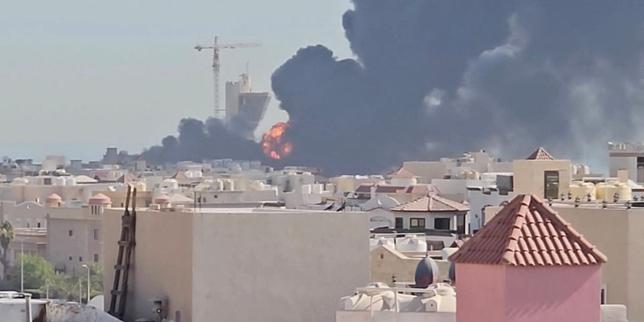
On a clear night along the Persian Gulf, the water reflects a deceptive stillness. Stand on the corniche in Kuwait City, and the glowing skyline whispers a story of staggering wealth and modern ambition. But look just beyond that neon horizon. The air carries an unmistakable, heavy tension.
For decades, this small, oil-rich emirate operated under a carefully crafted survival strategy: maintain deep, unwavering ties with the United States while attempting to stay out of the crossfire of regional titans. Today, that delicate balance is shattering.
The Mirage of Neutrality
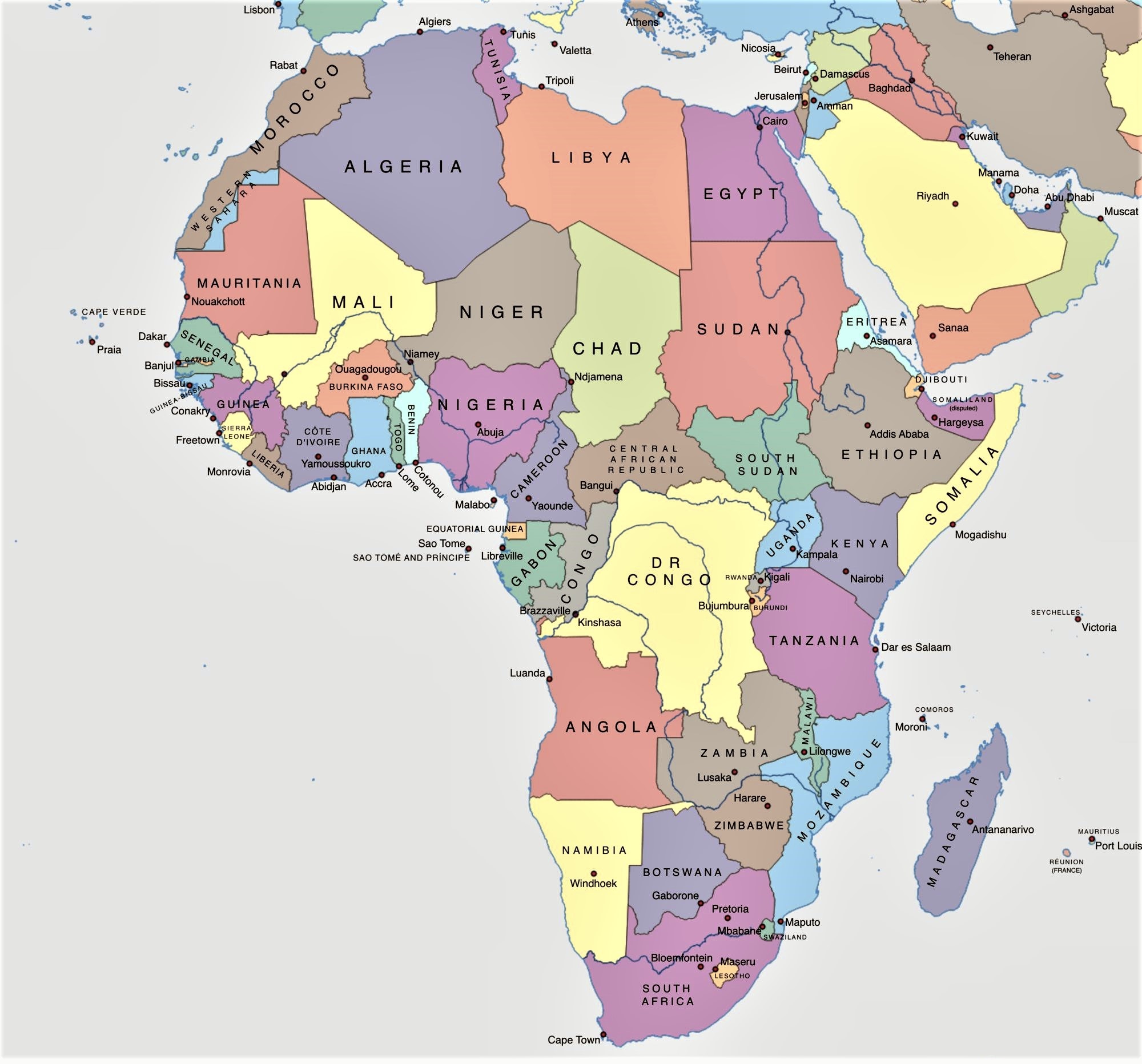
Kuwait’s geographic reality is a constant reminder of vulnerability. Wedged between regional heavyweights, the nation has long understood that its existence relies on strong external shields. Following the 1990 invasion by Iraq, the United States became that ultimate shield. Tens of thousands of American troops are stationed across sprawling military facilities like Camp Arifjan and Ali Al Salem Air Base.
To Washington, Kuwait is an indispensable logistical backbone for operations across the Middle East. To Tehran, those same bases represent an existential threat resting right on its doorstep.
As tensions between the United States and Iran escalate, Kuwait finds itself caught in an agonizing position. It is no longer just a diplomatic bystander. It has become a primary focal point of Iranian regional strategy. Tehran’s tactical calculations have shifted; targeting Kuwait is an indirect, devastating way to pressure Washington without provoking a direct, full-scale military confrontation on Iranian soil.
A Targeted Strategy
Consider a hypothetical security analyst sitting in a Kuwaiti defense ministry bunker—we can call him Fahad. Fahad’s job is not merely monitoring regional troop movements; it is calculating the precise flight time of a low-flying, radar-evading drone launched from across the northern gulf. For professionals like Fahad, the math is horrifyingly simple. Minutes. That is all the reaction time available when a threat originates just miles from your coast.
Iran’s approach to Kuwait does not necessarily require a full-scale invasion like the one launched by Saddam Hussein decades ago. The modern doctrine relies on asymmetric pressure:
- Swarms of Unmanned Aerial Vehicles: Cheap, precise drones capable of bypassing traditional radar systems to strike critical infrastructure.
- Cyber Operations: Targeted attacks designed to paralyze energy distribution and financial networks.
- Maritime Disruptions: Threats against vital shipping lanes in the Strait of Hormuz and local waters, directly threatening oil exports.
- Proxy Networks: Intelligence operations and localized destabilization efforts intended to create internal political friction.
By sharpening its focus on Kuwait, Iran sends a clear message to the broader Gulf Cooperation Council. The message is simple: shelter American forces, and your security, infrastructure, and economic stability become collateral.
The Human Weight of Geopolitics
It is easy to analyze troop counts and missile ranges on a map, but the human cost of this strategic squeeze is profound.
Inside the halls of Kuwait’s parliament, debate rages over how to navigate the storm. The nation’s leadership faces an incredible dilemma. Distance the country from the United States, and you risk losing the security umbrella that guarantees your sovereignty. Cling tighter to Washington, and you paint a larger target on your energy facilities, your desalinization plants, and your people.
Walk through the markets of Kuwait City, and the anxiety is palpable behind everyday conversations. Citizens remember 1990. The trauma of sudden conflict is not a chapter in an ancient history textbook; it is a lived memory for parents and grandparents. They know how quickly a quiet evening can transform into crisis.
Kuwait’s modern economic success relies heavily on its critical infrastructure. A single coordinated attack on key desalinization facilities—which provide the vast majority of the nation’s fresh water—would trigger a humanitarian crisis within days. The stakes are not abstract geopolitical points scored on a whiteboard. They are the essential lifelines of a nation.
Navigating the Shadow
Kuwaiti diplomats continue working tirelessly behind closed doors, attempting to keep lines of communication open with Tehran while reaffirming their strategic alliance with Washington. It is a tightrope walk performed over a chasm.
The strategic reality of the Persian Gulf has fundamentally altered. The era when small states could host foreign superpower bases without incurring direct regional risk has passed. As regional rivalries deepen, Kuwait remains perched on the frontline of a shadow conflict—where a single miscalculation could shatter the fragile peace of the entire region.
Somewhere on the coast, the searchlights continue to sweep over the quiet water, watching the dark sky for shadows that move faster than sound.