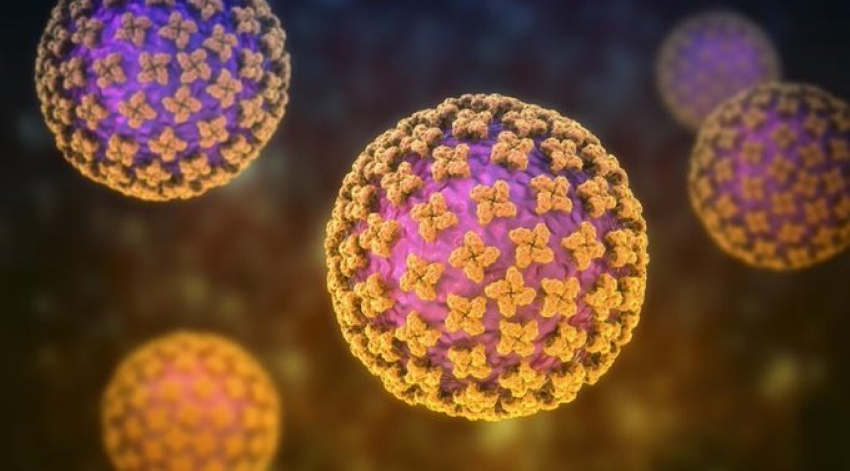
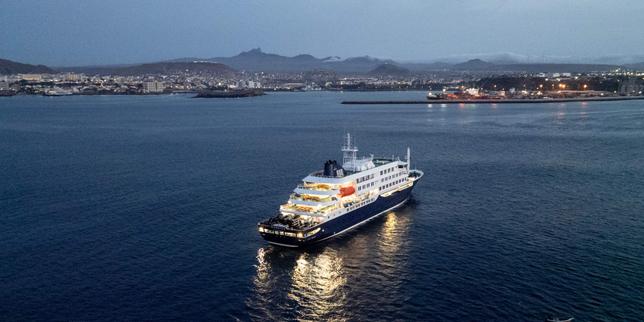
The maritime industry is currently reeling from a public health failure that many insiders saw coming long before the first passenger started coughing. When news broke of a frantic medical evacuation involving hantavirus-infected travelers on a luxury liner, the immediate reaction was one of shock. Hantavirus is typically associated with rural cabins and dusty barns, not the sparkling decks of a multi-billion-dollar cruise ship. However, the mechanics of this outbreak reveal a dangerous intersection of aging infrastructure, supply chain negligence, and a desperate drive for post-pandemic profitability.
This isn’t just a story about a rare virus. It is a story about how the barriers between the wilderness and the elite travel industry are dissolving due to poor maintenance and oversight.
The Breach of the Steel Sanctuary
Hantavirus Pulmonary Syndrome (HPS) is a severe respiratory disease caused by breathing in air contaminated with the droppings, urine, or saliva of infected rodents. In a standard terrestrial setting, you get it by sweeping out a shed that has been closed for the winter. On a cruise ship, the environment is supposed to be hermetically sealed against such intrusions.
The investigation into the recent cluster of cases points toward a catastrophic failure in the ship's dry-docking phase. During an extensive refurbishment in a port known for poor pest control standards, the vessel's lower-deck ventilation systems were left exposed. It takes only a small family of deer mice or long-tailed brush rats to colonize a dormant HVAC system. Once the ship returned to service and the air conditioning was cranked to full power, it became a distribution network for aerosolized viral particles.
Safety protocols failed at every level. The ship’s "integrated pest management" plan existed mostly on paper, lacking the rigorous physical inspections required after a vessel sits idle in a high-risk port. When the air started moving, the passengers in the lower-tier cabins were the first to inhale the microscopic threat.
Symptoms and the Speed of Descent
What makes this specific outbreak so terrifying for the travel industry is the timeline of the illness. Early symptoms like fever, muscle aches, and fatigue are easily mistaken for the common flu or even simple sea-sickness. This mimicry allowed the virus to circulate undetected for days while the ship moved further away from sophisticated medical hubs.
Once the virus takes hold of the lungs, the transition to respiratory failure is lightning fast. Victims feel as though they are drowning from the inside as their lungs fill with fluid. The ship’s medical bay, while advanced for a floating hotel, is not an Intensive Care Unit equipped for viral hemorrhagic fever protocols. By the time the captain ordered the evacuation, four passengers were already in critical condition, requiring mechanical ventilation that the ship simply could not provide for an extended period.
The Economic Pressure to Cut Corners
To understand how a rodent-borne virus ends up in a mid-ocean suite, you have to look at the balance sheets. The cruise industry is currently drowning in debt accumulated during the global shutdowns of the early 2020s. To stay afloat, many operators have extended the intervals between deep-cleans and reduced the headcount of specialized environmental health officers on board.
Maintenance crews are often outsourced to the lowest bidder. These contractors frequently lack the training to identify the subtle signs of a rodent infestation in the complex labyrinth of a ship’s wiring and ductwork. When you prioritize quick turnarounds over meticulous safety sweeps, you create a vacuum. Nature, as we have seen, is happy to fill it.
The Problem with Port Infrastructure
We also have to talk about the ports themselves. Many of the world’s most popular cruise destinations are located in regions where rodent-borne diseases are endemic. As ships get larger, they require more massive pier-side support systems. These docks are often located near industrial waste sites or underdeveloped urban areas where rodent populations are high.
Current international maritime regulations focus heavily on "ballast water" and "invasive species," but they are surprisingly thin on specific requirements for viral screening of the ship’s internal atmosphere. There is no "Hantavirus Sensor" on a bridge. There is only the smell of dust and the eventual arrival of a fever.
A Flawed Evacuation Logic
The evacuation itself was a logistical nightmare that highlighted the vulnerability of modern mega-ships. Transferring critically ill patients from a moving vessel to a helicopter or a smaller coast guard tender is a high-stakes gamble. In this instance, the weather conditions were marginal, and the risk of cross-contaminating the rescue crews was high.
Standard operating procedures for infectious diseases on ships usually involve "red-lining" a cabin—essentially locking the passenger in and hoping for the best until they reach land. But hantavirus doesn't spread person-to-person like the flu or COVID-19. The "source" was the ship itself. Moving a passenger from their room did nothing to stop the spread if the ventilation system remained active. The decision to evacuate was a PR necessity, but from a public health perspective, the entire vessel was a hot zone the moment the first case was confirmed.
Beyond the Medical Emergency
The fallout from this event will likely lead to a surge in litigation. Maritime law is notoriously complex, often favoring the carrier over the passenger due to the fine print on ticket contracts. However, proving "gross negligence" becomes much easier when you can track a viral outbreak back to a specific failure in mechanical maintenance.
If an investigation proves that the cruise line skipped a required duct inspection or ignored reports of rodent sightings in the galley, the legal shields will vanish. The industry is currently bracing for a wave of inspections from the CDC’s Vessel Sanitation Program, which will likely result in dozens of ships being flagged for immediate remediation.
The Reality of Small-Scale Threats
We often worry about the "Big One"—a global pandemic that shuts down the world. But the cruise industry is more likely to be bled dry by these smaller, localized "niche" outbreaks. Hantavirus, Legionnaires' disease, and Norovirus are all symptoms of the same underlying problem: a failure to respect the biology of a closed environment.
A ship is not a building. It is a biological island. Everything that goes in stays in until it is intentionally removed. When a company fails to police that boundary, they aren't just risking a bad review; they are facilitating a biological breach.
Necessary Changes to Maritime Health Standards
The current approach to shipboard health is reactive. We wait for people to get sick, then we scramble to get them off the boat. This is no longer a viable business model in an era where travelers are hyper-aware of health risks.
To prevent another hantavirus evacuation, the industry must adopt several hard shifts in operation:
- Mandatory HEPA Filtration: Upgrading all shipboard HVAC systems to medical-grade filtration that can trap viral particles.
- Post-Maintenance Quarantine: Any vessel that undergoes dry-docking in a high-risk region must undergo a third-party biological audit before a single passenger is allowed to board.
- Real-time Air Quality Monitoring: Installing sensors that can detect the presence of organic contaminants in the ventilation trunking.
- Transparent Reporting: Ending the practice of burying "minor" health incidents in internal logs.
The era of assuming a luxury ship is a clean room by default is over. Every passenger who steps onto a gangway is trusting the operator with their life, assuming that the air they breathe has been scrubbed of the wilderness. When that trust is broken by something as primitive as a mouse in a vent, the entire image of the "dream vacation" dissolves into a clinical emergency.
The industry needs to stop treating maintenance as a cost center and start treating it as the primary insurance policy against total collapse. Without a radical shift in how these vessels are cleaned and monitored, the next evacuation won't just involve a few passengers; it will involve the entire industry’s reputation.
Ship owners should be looking very closely at their ventilation schematics this morning. The mice are already there.