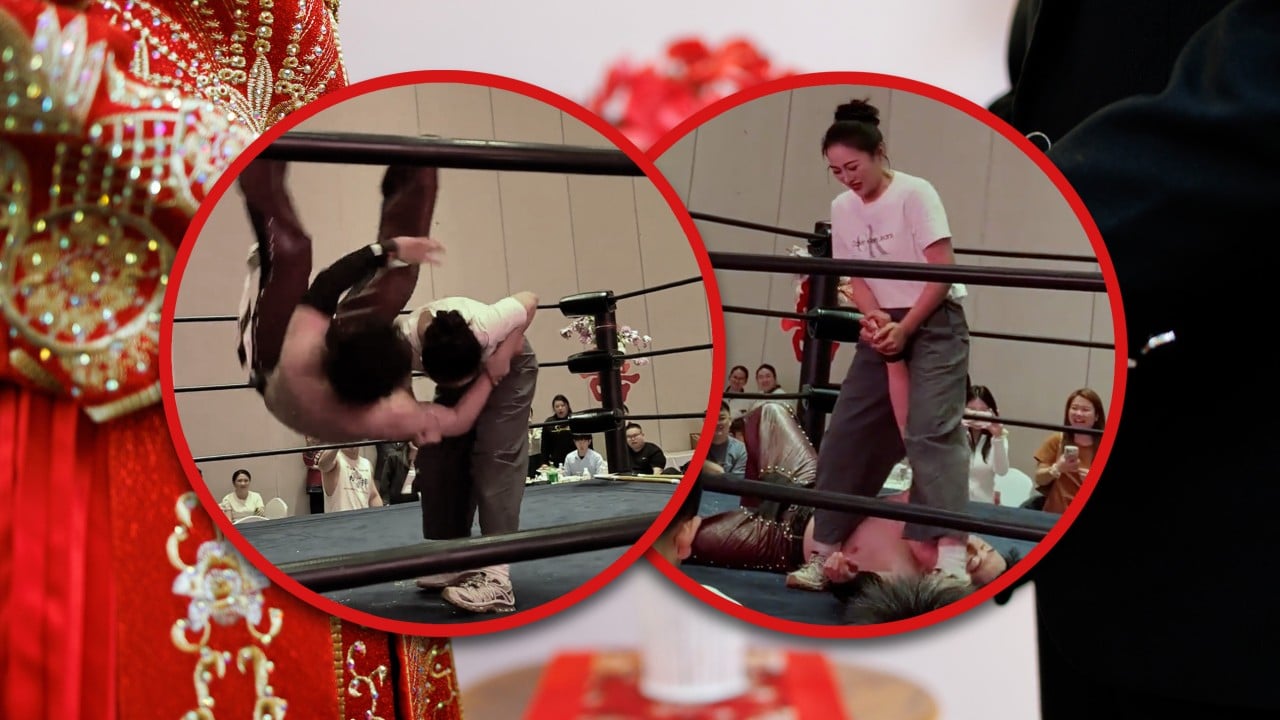
The internet is currently swooning over a Chinese couple who decided to settle their future domestic chore division via a theatrical wrestling match at their wedding reception. The groom lost. The crowd laughed. The internet cheered this as a pinnacle of modern, egalitarian relationship management.
It is actually a trainwreck masquerading as a trend.
This viral spectacle exposes a rot at the foundation of how modern couples approach partnership. We have traded actual conflict resolution for performance art. We have replaced structural marital logistics with gimmicks.
The lazy consensus loves this story because it frames marriage as a playground where serious imbalances can be laughed away with a headlock. But if you look at the mechanics of long-term relationship success, turning fundamental labor disputes into a literal cage match is a fast track to resentment, scorekeeping, and divorce.
The Chore Playbook is a Lie
Let’s dismantle the premise here. The idea that you can allocate years of daily domestic labor based on who wins a three-minute grappling session is a joke.
In my years analyzing cultural trends and consumer behavior around lifestyle dynamics, I have watched couples burn their relationships to the ground because they treat household management like a carnival game. Domestic labor is not a finite pool of tasks you can wager away. It is an evolving, daily operational reality.
When you gamify chores, you introduce a toxic framework into your household: winner takes all, loser suffers.
The Illusion of Fair Play
What happens when the novelty wears off?
- The Over-Correction: The loser inevitably grows to resent the arbitrary rule that bound them to the kitchen sink for the next decade.
- The Quality Slump: A spouse forced into labor via a lost bet does not do a good job. They do the bare minimum to avoid a breach of contract.
- The Scope Creep: Who defines what constitutes "housework"? Does it include car maintenance? Tax filing? Mental load management?
A wrestling match cannot account for these variables. It just creates a baseline of coercion wrapped in a laugh track.
The Behavioral Science of the Scorecard
Let's look at the actual data surrounding marital satisfaction and labor division. Sociologists like Arlie Hochschild, who famously coined the term "the second shift," have proven for decades that the perception of fairness matters far more than a strict 50/50 split.
When a couple uses a stunt to decide who cleans the toilets, they bypass the crucial psychological step of mutual agreement. They substitute consensus with conquest.
Imagine a scenario where a tech startup decides its quarterly budget allocation by having the CFO and the CMO play a round of Mario Kart. It sounds fun on LinkedIn. It is a disaster in the boardroom. The CMO wins, the marketing budget swells, and the infrastructure collapses because the actual needs of the organization were ignored in favor of a game.
Your marriage is the organization. The dishes are the infrastructure.
The Performance Poison
The real culprit here is the absolute desperation for social media clout. This wedding fight was not designed to solve a chore dispute; it was designed to generate views.
We are living in an era where couples are willing to commodify the most sacred, private negotiations of their lives for digital validation. When you invite an audience into your private contract—whether it is a room of wedding guests or millions of strangers on Douyin—you change the nature of the agreement. It stops being about what works for the two of you. It becomes about what looks good on a screen.
"Public performance destroys private intimacy."
When you perform your relationship milestones for external applause, you stop building a foundation and start building a set. Sets collapse the moment the production wraps.
How to Actually Divide Labor Without Killing the Romance
Stop looking for a gimmick. Stop looking for an app that gamifies your marriage. Stop thinking a viral moment will save you from a difficult conversation.
If you want a relationship that survives the reality of a shared life, you need to treat domestic operations like a business partnership, not a reality TV show.
1. Audit the Internal Economy
Before you assign a single task, write down everything required to keep your life running. Not just scrubbing floors. Include the cognitive labor: tracking doctor appointments, planning meals, buying birthday gifts for the in-laws. Most couples fight about chores because half the chores are completely invisible to one partner.
2. Allocate by Competency, Not Competition
In no functional business do you assign tasks to the person who sucks at them just because they lost a bet. If one partner handles stress better, they manage the finances. If one partner has a higher cleanliness standard for the kitchen, they own the kitchen—and the other partner steps up in an area where their skills match the need.
3. Re-evaluate Quarterly
Life changes. Jobs shift. Kids happen. Any agreement you make at the altar—especially one decided by a body slam—is going to be obsolete within twelve months. Set a recurring calendar invite to review the household workload. Adjust the margins. Air the grievances before they turn into passive-aggressive warfare.
The Cost of the Contrarian Approach
Let’s be brutally honest. This method is completely unsexy. It will not get you featured on the evening news. It will not earn you millions of views or comments praising you for being an "edgy, modern couple." It requires boring, uncomfortable, transparent conversations about expectations, standards, and resentment.
But it works.
The couples cheering for the wrestling match are the same ones who will be sitting in a mediator's office five years from now, fighting over who gets the dog because they never learned how to talk to each other without an audience watching.
Drop the gloves. Sit down at the table. Do the boring work of building a life, or get ready to watch your viral romance burn out in real-time.