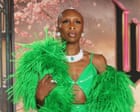
Hollywood is running a tired playbook, and everyone keeps buying the tickets.
When a fan-edited poster for Wicked altered Cynthia Erivo’s face to match the original Broadway artwork, it triggered a multi-week news cycle. Erivo called the edit the most offensive thing she had ever witnessed, suggesting it erased her humanity. The subsequent media consensus solidified instantly around a single, comfortable narrative: any critique, modification, or fan interaction with a Black actress’s promotional material is inherently rooted in systemic bias and malicious erasure. If you enjoyed this piece, you might want to look at: this related article.
This narrative is lazy. It is intellectually dishonest. Worst of all, it protects billionaire studio marketing budgets while treating audiences like easily manipulated bots.
The industry wants you to believe that every internet skirmish is a micro-cosmic battle for the soul of civil rights. The reality is far more calculated. We are witnessing the monetization of defensive fandom, where mega-corporations weaponize identity politics to insulate mediocre blockbuster products from genuine aesthetic critique. For another look on this development, refer to the latest coverage from Vanity Fair.
The Wicked red carpet incident and the surrounding poster controversy aren't proof of an unprecedented cultural crisis. They are proof that Hollywood has successfully outsourced its PR crisis management to the culture wars.
The Aesthetic Flattening of Modern Fandom
To understand why the mainstream analysis of this incident is flawed, we have to look at the mechanics of fan culture. For decades, fans have manipulated promotional media. They photoshop actors, change color grading, mash up audio, and recreate posters. It is an established, participatory ecosystem.
When a fan adjusted the Wicked poster, they hid Erivo’s eyes under the brim of Elphaba’s hat to mimic the iconic, minimalist illustration by minimal-graphic maestro Rafal Olbinski for the 2003 stage musical. The intent was nostalgic replication of a legendary theatrical IP.
Original Broadway Poster: Eyes hidden by hat brim + green smirk.
Universal Pictures Film Poster: Eyes visible, high-gloss movie star framing.
Fan Edit: Modified film poster to match the 2003 hidden-eye theatrical staging.
To categorize this specific aesthetic adjustment as an existential assault on someone's humanity ignores the entire history of theatrical marketing. The original illustration relied on anonymity and shadow to create intrigue. By framing a standard, arguably generic fan edit as an act of deep-seated malice, the conversation shifts from artistic choices to personal victimization.
This shift is intentional. It creates a shield. If a studio delivers a film that lacks the textured magic of its source material, any pre-emptive critique of the visual style can now be dismissed as bad-faith bigotry.
The Weaponization of the Press Junket
I have spent years sitting in junket rooms and watching publicists orchestrate narratives. The modern entertainment press does not cover movies anymore; they cover the discourse surrounding movies.
When an actress expresses profound hurt over an internet meme during a high-profile press tour, it becomes the definitive headline. The actual work—the acting, the directing, the cinematography, the vocal performances—recedes into the background. The movie becomes a cause celebre. You are no longer buying a ticket to see a musical adaptation; you are buying a ticket to show solidarity.
Consider the data of modern media consumption. High-conflict engagement outpaces positive sentiment engagement by factors of four to one on major social platforms. Studios know this. They track these metrics with clinical precision. A controversy that positions their lead actress as the target of internet trolls generates millions of dollars in free impressions. It builds a protective wall of hyper-defensive fans who will defend the film at all costs, regardless of its actual quality.
This strategy carries an immense downside that nobody in the industry wants to admit. By crying wolf over a nostalgic poster edit, we dilute the language of actual accountability. When everything is deemed a horrific assault on human dignity, nothing is. True instances of systemic bias get drowned out by the noise of a hyper-engineered marketing campaign designed to sell popcorn and streaming subscriptions.
The Illusion of the Corporate Safe Space
The competitor pieces argue that Hollywood red carpets and promotional cycles need stricter boundaries to protect talent from the psychological toll of public scrutiny. They call for greater corporate oversight, stricter moderation of fan spaces, and a top-down enforcement of respect.
This is a corporate delusion.
You cannot demand a multi-billion-dollar global marketing apparatus that treats human beings as high-yield commodities, and then expect that same apparatus to function as a sensitive, nurturing safe space. The red carpet is an economic engine. It exists to turn human creativity into corporate equity. The actors walking it are signed to ironclad contracts that explicitly trade their likeness and public persona for massive financial compensation and global visibility.
To expect the public to interact with these heavily manufactured corporate assets with pure, uncritical reverence is absurd. The audience understands, instinctively, that they are being sold something. Fan edits and internet memes are the only leverage the audience has left to talk back to the monolith.
Dismantling the "People Also Ask" Delusions
The public discourse around these celebrity incidents usually distills into a few highly repetitive questions. Let's address them without the usual public relations gloss.
Are fan edits of movie posters inherently disrespectful to the actors?
No. Film promotion is an extension of public art. Once a poster is deployed to the public square, it enters the cultural lexicon. Audiences have been altering movie art since the invention of the airbrush. Forcing a rule where actors' faces cannot be modified by fans destroys the participatory nature of entertainment culture. If an artist cannot handle their promotional material being remixed by the public, they are in the wrong profession.
Why do studios lean so heavily into identity politics during press tours?
Because it is highly profitable and incredibly cheap. It costs millions of dollars to run a traditional, positive sentiment marketing campaign. It costs zero dollars to let an interview quote about internet trolls go viral. It instantly segments the market into "allies" and "haters," forcing the audience to take a side. If you side with the film, you are a good person. If you criticize the film, you are categorized with the trolls. It is the ultimate corporate monopoly on morality.
How should talent handle online criticism and fan alterations?
By ignoring it entirely or engaging with it humorously. The moment a global celebrity shows that an anonymous internet user can disrupt their emotional equilibrium, they hand total control of the narrative over to the fringes of the internet. The gold standard for handling public scrutiny remains stars like public-relations veterans who understand that the public persona is distinct from the private self.
The Hypocrisy of the Hollywood Machine
The ultimate irony of the Wicked controversy is that the very industry claiming to protect its stars' humanity is the one that stripped it away in the first place.
Studios spend hundreds of millions of dollars using digital de-aging, extreme airbrushing, auto-tune, and AI-assisted visual effects to smooth out every human imperfection in their films. They present audiences with hyper-sanitized, unnatural versions of human beings, designed for maximum consumer consumption.
Yet, when a fan uses those exact same digital tools to align a movie poster with a beloved Broadway illustration, the studio and its stars claim to be horrified by the unnatural alteration of a human face.
This is not a moral stance. It is an intellectual property dispute masquerading as a human rights issue. The studio is angry that they did not control the edit. They are angry that the audience took the narrative into their own hands, even for a second.
Stop falling for the moral panic engineered by entertainment conglomerates. The next time a celebrity claims an internet meme ruined their week during a $150 million movie press tour, look past the outrage. Look at the release date. Look at the stock price of the studio. Look at the ticket pre-sales.
The industry does not want to fix the discourse. They want to cash the check. Treat the corporate product like a product, ignore the manufactured drama, and judge the art solely by what happens when the lights go down in the theater. Everything else is just noise designed to keep you staring at the screen.