The ashtrays in the back rooms of Nagata-cho are always full by midnight. Smoke curls toward acoustic-tile ceilings that have absorbed decades of broken promises, whispered ambitions, and the quiet, crushing sound of political survival. To an outsider walking past the monolithic concrete government offices under the damp neon glow of a Tokyo evening, the buildings look impenetrable. Calm. Orderly. But inside, the air tastes like copper and fatigue.
Stand there long enough, and you can smell the quiet panic. If you found value in this piece, you should check out: this related article.
For months, opposition politicians had promised a different kind of architecture. They talked about unity. They spoke of building a single, sturdy roof under which everyone tired of decades of conservative dominance could finally find shelter. It sounded noble in the town halls. It sounded inevitable in the morning newspapers. Voters clutching their commuter passes on the Chiyoda line read the headlines and allowed themselves a dangerous, fleeting luxury: the belief that change was not just a theoretical exercise, but a logistical reality waiting to be signed into law.
Then came the math. And with it, the ego. For another look on this story, refer to the recent coverage from The Washington Post.
Power is a jealous ghost. When disparate factions try to merge, they do not just combine their policies; they collide their vanities. Imagine two aging generals trying to share a single horse while riding into a thunderstorm. Every compromise feels like a humiliation. Every concession feels like a surrender.
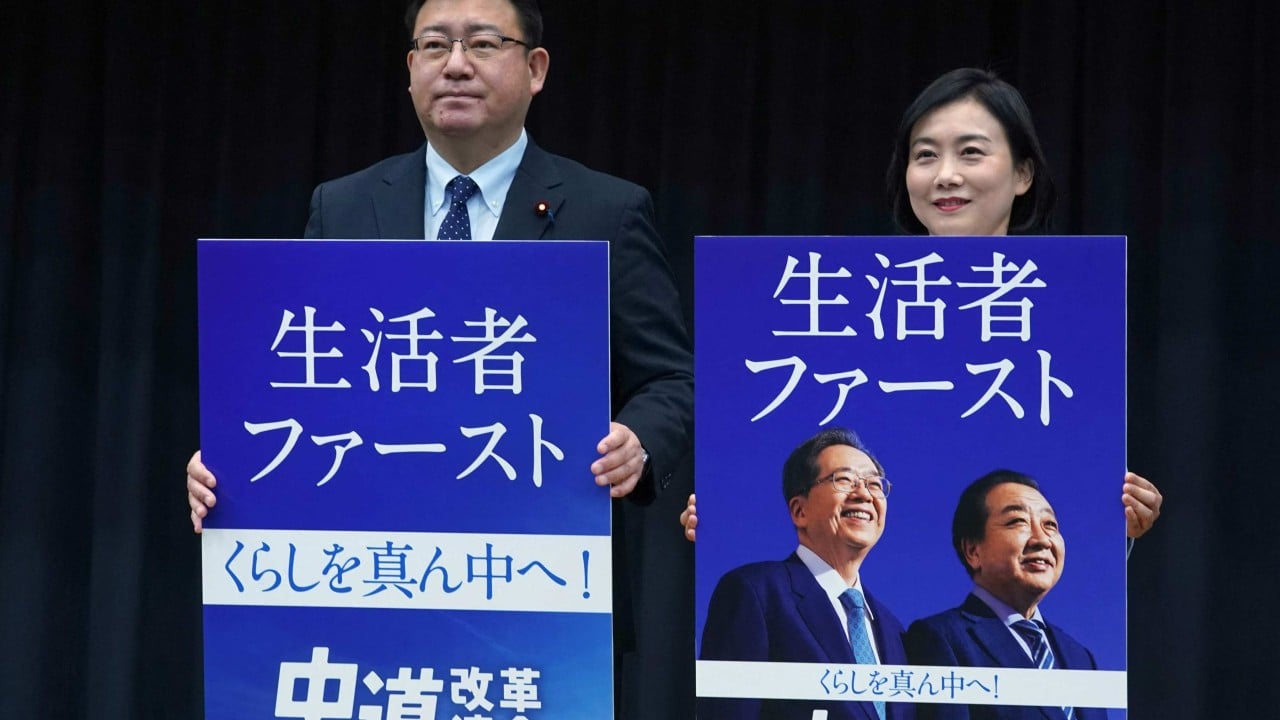
Behind closed doors, the talks did not stall over grand ideological divides about national security or fiscal stimulus. They stalled over who would sit in the primary chair when the cameras turned on. They stalled over candidate nominations in swing districts where careers were built and dynasties preserved. The grand vision of an opposition alliance shattered not against the unyielding wall of the ruling Liberal Democratic Party, but against the petty arithmetic of ambition.
It happens every single time.
I remember talking to an old political strategist in a cramped izakaya near Shimbashi Station years ago, a man whose skin had the yellowed, translucent quality of old parchment. He poured warm sake into my cup and laughed, a dry, rattling sound. He told me a truth that the textbooks leave out. He said, "The opposition doesn't lose because the ruling party is brilliant. The opposition loses because they are too busy measuring the drapes for an office they haven't won yet."
The collapse of these recent merger talks is a masterclass in that exact self-sabotage.
When talks stall, the consequence is not merely administrative delay. It is a slow, creeping erosion of public trust that hardens into absolute cynicism. Out in the suburbs of Saitama or the quiet fishing ports of Tohoku, voters are not analyzing the fine print of party manifestos. They are watching the screen. They see grown men bickering over committee seats while grocery prices climb and real wages stagnate. They feel the profound, isolating exhaustion of being treated as an afterthought in a game played exclusively for the benefit of the players.
Democracy requires an alternative. Without friction, power rots. The ruling party in Japan knows this better than anyone; they have mastered the art of being the default option precisely because the alternative keeps rearranging its deck chairs while the ship takes on water.
Consider what happens next. The fragmented opposition parties will scatter back to their corners, nursing their grievances, issuing defensive press releases that no one reads, and preparing to fight each other with the same ferocity they were supposed to direct outward. The voters will sigh, fold their newspapers, and retreat into the quiet resignation of non-participation. Turnout will dip. The status quo will settle back into place like wet concrete, heavy and gray.
There is a terrible tragedy in watching a potential future dissolve into procedural footnotes. The meetings stop. The staff packs up the cardboard boxes. The hallway lights are turned off one by one until the floor is dark.
Outside, the last trains are running. Millions of people are heading home through the damp night, carrying the weight of tomorrow on shoulders that are already too tired. They do not know the names of the committees that failed today, and they do not know the exact percentage points dropped in the latest polls. But they feel the chill. They know that once again, the room where it happens was empty, save for the smoke and the shadows of men who forgot what they were fighting for.