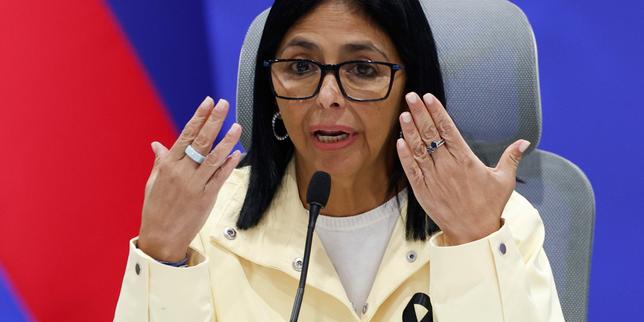
Geopolitical high-stakes chess matches rarely come with simple press releases. When interim President Delcy Rodriguez stepped up to clarify Venezuela's position on the massive energy pact with Washington, she drew a hard line in the sand. Caracas is betting big on diplomacy, but the domestic and international skepticism remains loud.
The Reality of the Twenty Five Year Energy Pact
Let's look at the actual framework on the table. We aren't talking about a short-term trade adjustment. The newly detailed pact spans a staggering twenty-five years, locking in long-term commercial channels between Caracas and Washington. Critics immediately jumped on the terms, arguing that opening the floodgates to foreign influence strips the nation of its fundamental autonomy.
Rodriguez pushed back hard against those narratives. She insists that while foreign entities gain structured access to vast crude reserves, the core asset ownership stays firmly inside Venezuelan hands. It is a tightrope walk. You have an economy desperate for millions in incoming revenue, paired with a population fiercely protective of national resources.
Sovereignty Versus Economic Necessity
You have to ask what choice is left on the table after years of crushing sanctions and economic collapse. Choosing diplomacy over isolation transforms historical friction into transactional cooperation. Yet, Washington's heavy policy footprint creates an uncomfortable dynamic. American leadership has made no secret of its desire to guide energy flows, leaving many locals wondering where national independence ends and foreign management begins.
The core tension boils down to a single question. Can a country lease out a massive portion of its production capacity without losing its geopolitical soul? Rodriguez argues yes, framing the agreement as a rebirth mechanism rather than a surrender.
Navigating the Domestic Political Backlash
Rumors swirl constantly inside Caracas and across international newswires. Opposition voices claim the terms heavily favor foreign corporate interests at the direct expense of local sovereignty. Managing these competing pressures requires absolute message discipline from the interim government.
When you look closely at how the administration handles public optics, every speech emphasizes domestic control. They want investors to bring capital, but they cannot afford to look like they are handing the keys of the kingdom to outside powers.
Watch how these long-term production milestones unfold over the coming months. The success of this twenty-five-year arrangement depends entirely on whether the promised revenues actually reach public infrastructure or simply disappear into institutional friction. Keep an eye on production outputs and regulatory updates to see if Caracas maintains its footing.