The morning air in southern Yemen does not cool; it merely changes texture. Dawn arrives not with a gentle amber light, but with a sudden, suffocating heat that presses against the skin like a hot iron.
For Tariq, that heat was the backdrop to every waking hour. He was thirty-two, a soldier whose boots had long since lost their original color, bleached by the relentless glare of the sun and stained by the dust of a fractured country. When he laced those boots before sunrise, the ritual was mechanical. Pull the laces tight. Check the rifle. Listen to the murmur of the camp slowly coming to life around him.
He was not thinking about grand geopolitical strategy. He was thinking about tea. Sweet, dark tea brewed over a small camp stove, shared in the brief quiet before the day's duties began.
War in the headlines is a neat arrangement of arrows on a map. It is spoken of in conference rooms thousands of miles away, measured in barrels of oil, shipping lanes disrupted, and percentages of quarterly growth. But war on the ground smells of stale sweat, diesel exhaust, and the sharp, coppery tang of fear. It is a series of small, ordinary moments abruptly terminated.
Just twenty-four hours earlier, the sea miles away had told a different story of escalation. A Saudi oil tanker, moving quietly through the dark waters, had found itself suddenly bracketed by violence. A strike from the shadows. A concussive blast that ruptured steel and sent a pillar of black smoke into the pristine maritime air. That attack was designed to ripple outward, to hit the global economy in its arterial pathways, to signal power where power is fiercely contested.
But oil tankers can be repaired. Steel can be welded.
The human cost, however, remains absolute.
Consider what happens next in the calculus of conflict. A strike at sea is rarely an isolated incident. It is a drumbeat. And the echo of that drum rolled inland, across the rugged ridges and dusty plains, finding the small, exposed outpost where Tariq and his comrades stood watch.
In war, statistics become a shield for the mind. Eighteen soldiers. That is the number flashed across screens. Eighteen names. Eighteen families who woke up to a Tuesday that felt ordinary, only to find the calendar of their lives violently rewritten by a telegram or a phone call.
(Hypothetical scenario to illustrate the human dimension): Imagine a kitchen in a quiet neighborhood, miles away from the front lines. A mother is kneading dough, the radio playing softly in the background. The announcer’s voice is flat, reading the morning casualty figures as if they were weather reports. Eighteen soldiers killed in a drone strike. She pauses, her hands flour-dusted, her heart suddenly missing a beat as she wonders if her son's unit was stationed in that sector. That pause—that cold, sickening drop in the stomach—is where the true weight of the conflict lives.
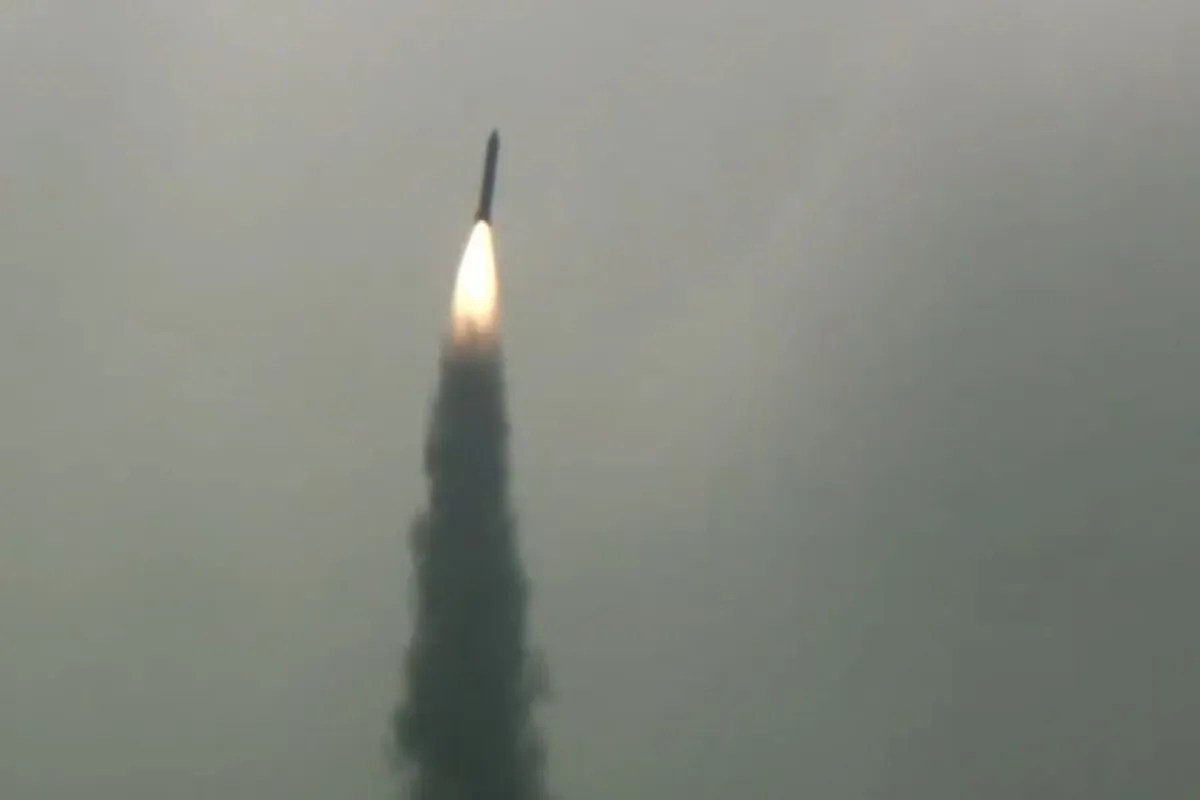
The drone came without warning. Modern warfare has stripped conflict of its traditional chivalry. There are no charging cavalrymen, no bugles sounding in the distance. There is only the low, angry buzz of a mechanical insect cutting through the cloudless sky—a sound remarkably like an ordinary lawnmower until it drops its payload.
In a fraction of a second, routine turns into chaos.
Tariq did not have time to think of poetry or politics. He had time only for instinct. But against a precision-guided threat descending from the upper atmosphere, instinct is rarely enough. The explosion tore through the compound with a brutal efficiency, swallowing sound, light, and breath in a single, roaring flash.
When the dust settled, the silence that followed was heavier than the blast.
This is the invisible tax of regional instability. Every escalation at sea, every tanker targeted off the coast, acts as a match thrown into dry brush. The flames do not stay contained to the shipping lanes. They sweep inland, consuming the lives of young men whose only uniform was a duty they inherited from a broken state.
We talk endlessly about supply chains, about the security of energy corridors, about diplomatic stalemates that drag on for years. We debate who holds the strategic advantage in the Bab-el-Mandeb strait. Yet behind every diplomatic communiqué and every breaking news alert lies the simple, devastating fragility of human flesh against high explosives.
The smoke from the oil tanker had barely cleared over the water before the smoke of the barracks rose into the desert sky.
And as the sun sets tonight over the rugged terrain of Yemen, the wind will carry away the last remnants of ash. The world will move on to the next headline, the next market fluctuation, the next crisis demanding the attention of an easily distracted globe. But for eighteen families, time has stopped entirely.
The desert remembers. The wind keeps blowing. And the quiet, devastating cost of the conflict remains etched into the sand.