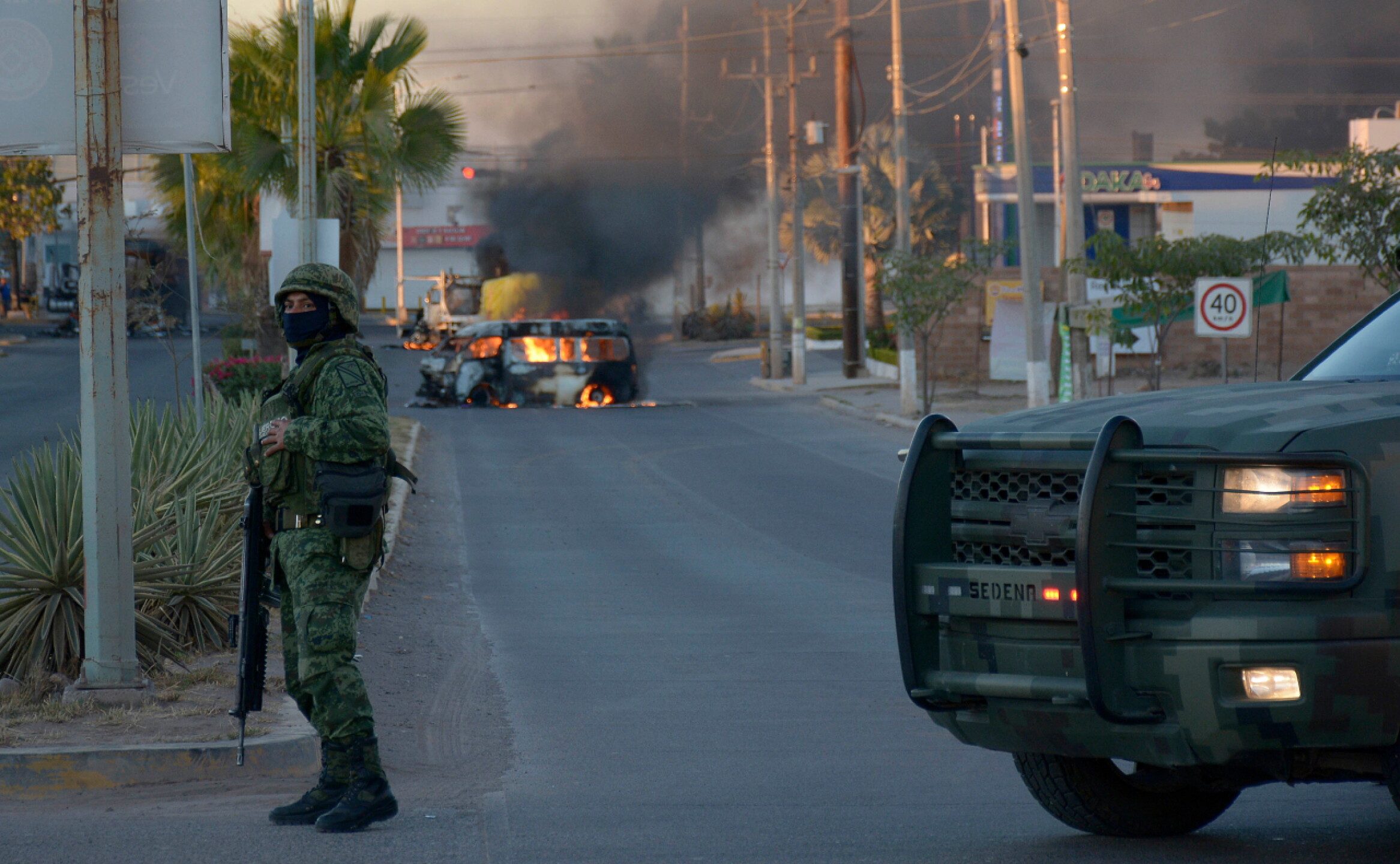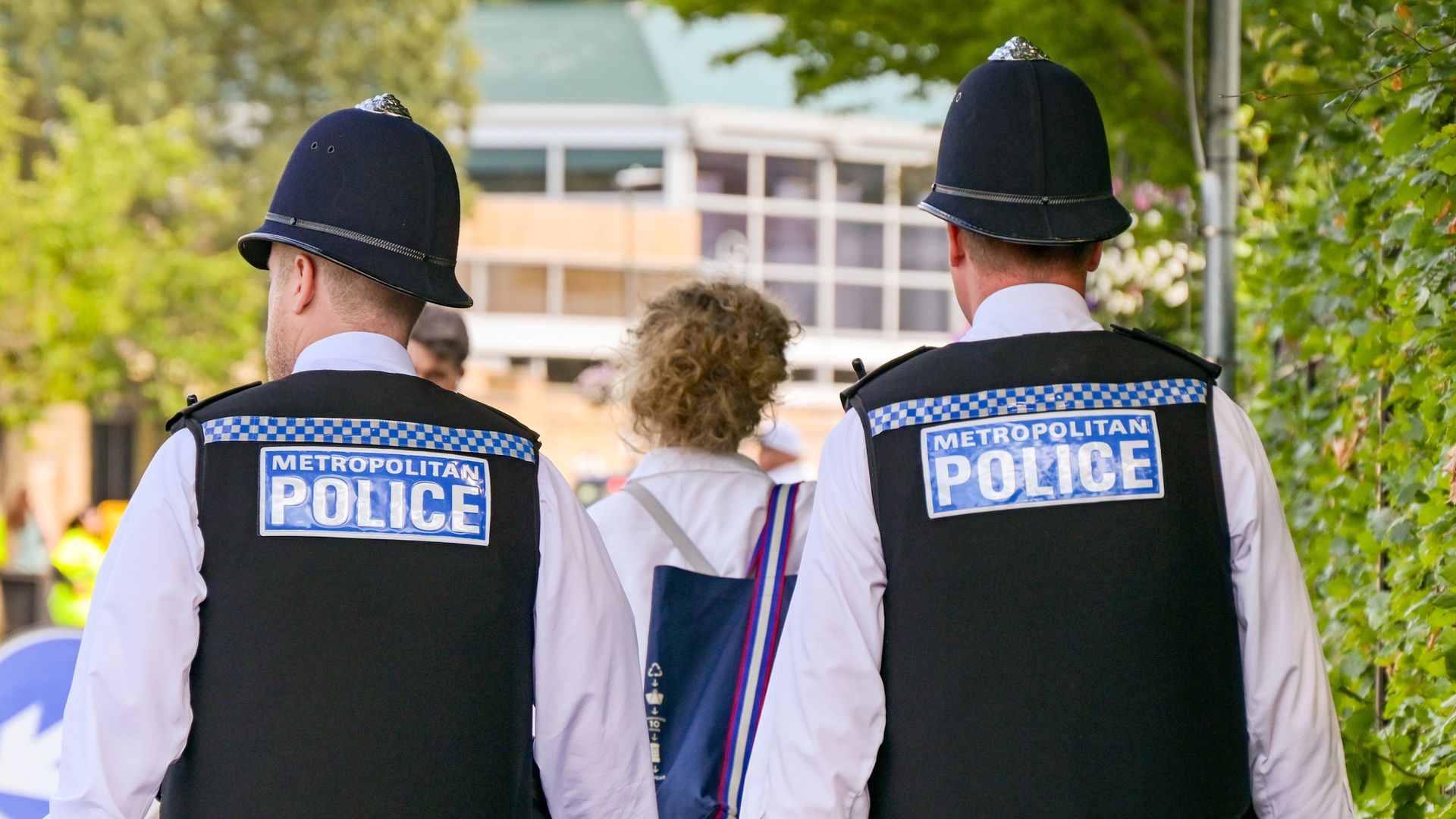
The room is usually quiet, save for the hum of a refrigerator or the distant siren of an ambulance that arrived too late. There is a specific, heavy stillness that occupies a space where a life has just ended. Into this silence steps an officer. They aren’t there to perform a miracle; they are there to document a tragedy. But as they reach into their pocket, they don’t pull out a department-issued camera or a forensic tool designed for the sanctity of a crime scene. They pull out an iPhone.
A click. A flash.
In that heartbeat, the most private moment a human being can experience—the transition from a person to a memory—is digitized. It sits in a gallery nestled between a photo of a half-eaten turkey sandwich and a screenshot of a funny meme. This is not a rogue operation or a plot from a dark procedural drama. It is a systemic, quiet habit. It is "common practice."
The Gallery of the Departed
We have become a society that views the world through a five-inch screen. We document our lattes, our sunsets, and our children’s first steps. But when that compulsion to capture everything bleeds into the line of duty, the stakes shift from social media vanity to a profound violation of human dignity.
Consider a hypothetical woman named Sarah. Sarah receives the news no one is ever prepared for: her brother has died in a vehicular accident. She grieves. She buries him. She tries to find a way to live in a world that is suddenly one person smaller. What Sarah doesn’t know—what she might never know—is that a graphic image of her brother’s broken body is currently sitting on the personal device of a stranger.
That stranger didn't take the photo out of malice. They took it because it was "easier" than waiting for the lab tech. They took it to show a colleague later to explain a complex injury. They took it because the line between their professional responsibilities and their personal digital life has completely evaporated.
The data suggests this isn't an isolated incident. Reports from oversight bodies and whistleblowers within various police forces have highlighted a culture where the use of personal phones at crime scenes is ubiquitous. It’s a shortcut. But shortcuts in the presence of the dead leave a long, messy trail.
The Myth of the Secure Cloud
When a police officer uses a personal device, they bypass the chain of custody. In a legal sense, the chain of custody is the umbilical cord of justice. It ensures that evidence is handled, stored, and tracked with absolute precision. When a photo is snapped on a private Samsung or Pixel, that cord is severed.
The image is immediately uploaded to a private cloud. It exists on servers owned by tech giants. It is indexed by algorithms. If that officer’s phone is backed up to a family account, that graphic image might sync to an iPad used by a toddler. If the officer sells their phone and fails to wipe it properly, the most traumatic moment of a family’s life becomes a ghost in the machine of a secondhand device.
We often talk about "data privacy" in the context of credit card numbers or browsing histories. We rarely talk about the privacy of the deceased. There is a legal grey area here that is wide enough to drive a hearse through. In many jurisdictions, the dead have no right to privacy. Once the heart stops, the legal protections that shielded your body from prying eyes largely vanish.
This creates a vacuum where "common practice" replaces "ethical practice."
The Desensitization of the Lens
There is a psychological toll to this as well. When we put a screen between ourselves and reality, we distance ourselves from the gravity of what we are seeing. For an officer, the 14th death scene of the year might start to feel like a data point. Using a personal phone reinforces this detachment. It treats a human tragedy as just another notification in a busy day.
The "human element" isn't just about the victim; it’s about the soul of the person holding the camera. If we allow our public servants to treat the dead as content, we shouldn't be surprised when the empathy required for the living begins to fray.
I remember talking to a former crime scene investigator who lamented the shift. In the old days, they used film. You had to be intentional. You had a limited number of shots. Each click of the shutter felt heavy because you knew those images were going to a secure lab, to be handled by professionals, to be used solely for the pursuit of truth.
"Now," he told me, "it’s like everyone’s a paparazzo for the macabre."
The Invisible Stakes of the "Gory Share"
The problem moves from "convenience" to "cruelty" when these photos move beyond the individual device. The culture of the "gory share" is a dark underbelly of emergency services. It’s the act of showing a photo to a friend at a bar, or sending it in a private WhatsApp group chat of fellow officers.
"Look at this one," someone says over a beer.
They aren't looking at a piece of evidence. They are looking at someone’s father. Someone’s daughter. They are looking at a human being who can no longer protest.
When these images leak—and they do leak—the damage is irreparable. We have seen cases where families discovered photos of their loved ones’ remains circulating online before they had even finished the funeral arrangements. The trauma of the loss is compounded by a secondary, digital assault. The grief becomes a public spectacle.
Reclaiming the Sanctity of the Scene
Change doesn't happen through memos or half-hearted reminders about "best practices." It happens through a fundamental shift in how we value the physical body in a digital age.
Some departments are pushing for stricter "digital hygiene." They are mandating that all photos be taken on encrypted, department-issued devices that automatically upload to a secure, audited server before wiping the local cache. They are implementing software that tracks every time an image is viewed, shared, or downloaded.
But technology is only a bandage. The real cure is a return to reverence.
We need to ask ourselves what we owe to those who can no longer speak for themselves. If the hallmark of a civilized society is how it treats its most vulnerable, then surely that protection should extend to those who have reached the end of their journey.
A crime scene is not a backdrop. A victim is not a subject.
The next time an officer stands in that quiet, heavy stillness, they should feel the weight of the moment. They should remember that the device in their pocket is a window into their own world, and the person on the floor belongs to another. The two should never meet.
Justice isn't just about catching a criminal or filling out a report. It’s about the preservation of dignity in the face of chaos. It’s about ensuring that when we leave this world, we aren't left behind on a stranger's phone, sandwiched between a snapshot of a sunset and a photo of a sandwich.
The flash fades. The screen goes black. The silence returns. And in that silence, we must decide if the convenience of a "common practice" is worth the price of our collective humanity.