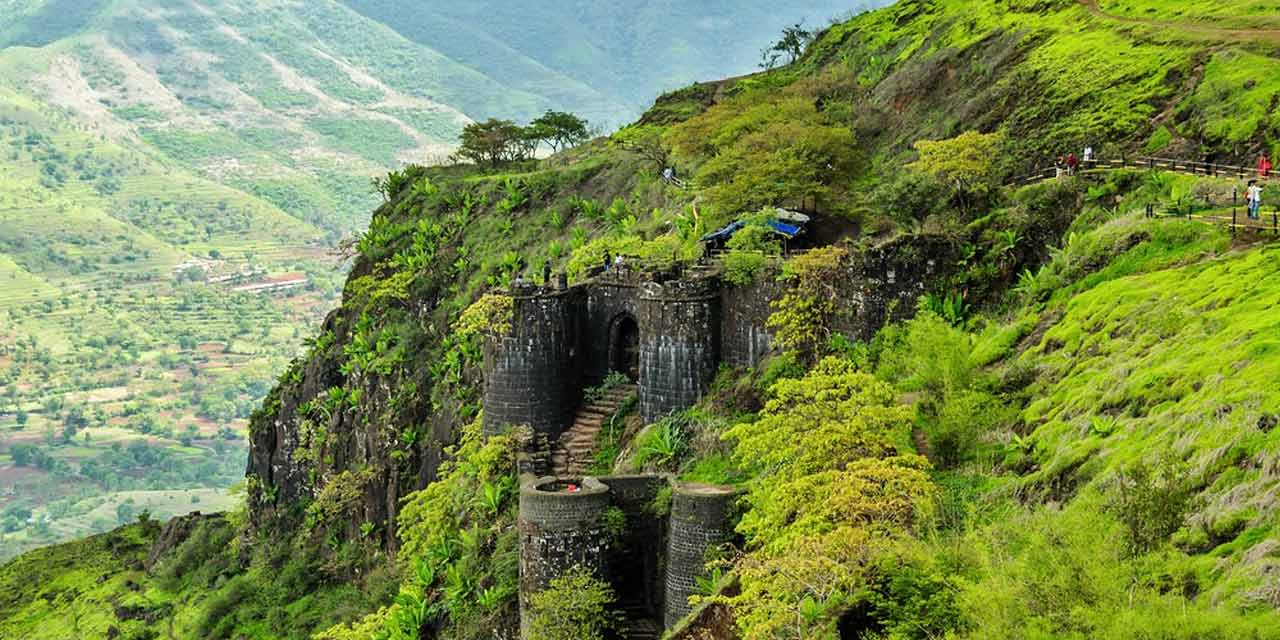
The air up here smells of pine resin and old iron. If you stand on the ridge overlooking the valley of Kashmir at dawn, the mist does not merely lift; it burns away, exposing the jagged bones of mountains that have witnessed empires rise, shatter, and blow away like dry leaves.
For decades, this altitude has been measured in meters of barbed wire and the heavy, rhythmic thrum of military choppers cutting across the gray sky. People down in the markets—drinking noon chai from clay cups, listening to the static of old transistor radios—know the vocabulary of geopolitical tension by heart. They know the curfews. They know the checkpoints. They know the quiet, suffocating weight of being a headline.
Today, however, the security details are tightening for a different kind of arrival.
US Ambassador Sergio Gor is touching down in Kashmir.
If you read the morning dispatches, the event is rendered in the bloodless prose of official schedules. He will visit the region. He will likely meet with Lieutenant Governor Manoj Sinha and Chief Minister Omar Abdullah. Hands will be shaken. Photographs will be snapped against the backdrop of chinar trees turning the color of rust. Press releases will speak of diplomatic engagement and mutual cooperation.
Those words mean nothing to the woman selling saffron in the old city until she sees what changes in her daily bread.
Diplomacy, at its core, is an abstract beast. It lives in air-conditioned conference rooms thousands of miles away from the soil it carves up. But when an American ambassador steps onto the tarmac in Srinagar, the abstract suddenly acquires boots, a tailored suit, and a security motorcade that halts traffic on the boulevard by the lake.
Consider what happens next behind closed doors. (Note: This next sequence is a grounded dramatization based on standard diplomatic protocol and regional dynamics, not a wiretapped transcript.)
In a quiet room overlooking the shimmering expanse of Dal Lake, two local leaders sit across from a foreign envoy. On paper, the Lieutenant Governor and the Chief Minister represent administrative authority and popular mandate respectively—two forces that have often pulled in opposite directions under the region's complex constitutional framework. Yet, facing an international visitor, the fractures momentarily smooth over.
The conversation drifts past the polite weather remarks. It hits the bedrock. Investment. Tourism. The stifling economic isolation that leaves generations of brilliant, university-educated youth staring at smartphone screens in small shops, wondering if their future lies anywhere except an outbound flight.
"We need more than sympathy," a hypothetical local official might whisper, leaning forward over a porcelain cup of kahwa. "We need corridors. We need the world to see that people here are raising families, not just flags."
Ambassador Gor listens. He takes notes. He nods with the practiced empathy of a man whose career depends on reading the micro-expressions of foreign potentates. But what does that nod actually buy?
To understand the stakes, you have to look beyond the diplomatic theater and into the psychological architecture of the valley. Kashmir is a place where history is not a subject taught in textbooks; it is a live electric fence. Every family carries a ledger of losses, real or perceived. Every summer brings the desperate hope of tourist season, followed by the inevitable anxiety of the next sudden shutdown.
When a high-ranking foreign official visits, the immediate local reaction is always a split personality. Half of the street sees it as validation—proof that the valley is not entirely forgotten by the superpowers of the world, that eyes are watching, which theoretically keeps the worst impulses of local governance in check. The other half rolls its eyes, cynical from decades of empty communiqués. They have seen envoys come and go like migratory birds, promising bridges that were never poured in concrete.
Why does Washington care about a high-altitude valley wedged between nuclear-armed neighbors?
Because stability is contagious, and instability is a contagion that refuses to stay contained. In an interconnected global economy, a flashpoint in South Asia ripples through tech supply chains, diaspora communities from London to California, and global security calculus. A diplomatic visit is a signal flare. It says: We are watching. We are calculating. We are maintaining a presence.
Yet, the true measure of Gor's visit today will not be found in the joint statements released by embassies tonight. It will be found in the spaces between the lines.
Will the meeting with the Lieutenant Governor and the Chief Minister signal a quiet thawing of administrative gridlock? Will it open doors for American educational exchanges, tech incubators, or eco-tourism partnerships that bypass the usual bureaucratic gridlock? Or will it remain just another polite paragraph in the diplomatic annals, filed away in a dusty cabinet in Foggy Bottom?
The sun climbs higher over the Pir Panjal range, burning the last vestiges of fog off the water. Houseboats creak against their mooring ropes. Schoolchildren in navy blue uniforms walk home along the embankment, laughing, kicking pebbles into the lake, entirely indifferent to the motorcades rushing toward the government enclave.
They are the ones who will inherit whatever bargain is struck today behind closed doors. They do not care about protocols or diplomatic immunities. They only want to know if tomorrow will taste like fear or possibility.
The ambassador's car doors slam shut. The sirens wail, tearing a temporary hole through the mountain air. And the valley holds its breath, waiting to see if the world has changed, or if it has simply rearranged the furniture once again.