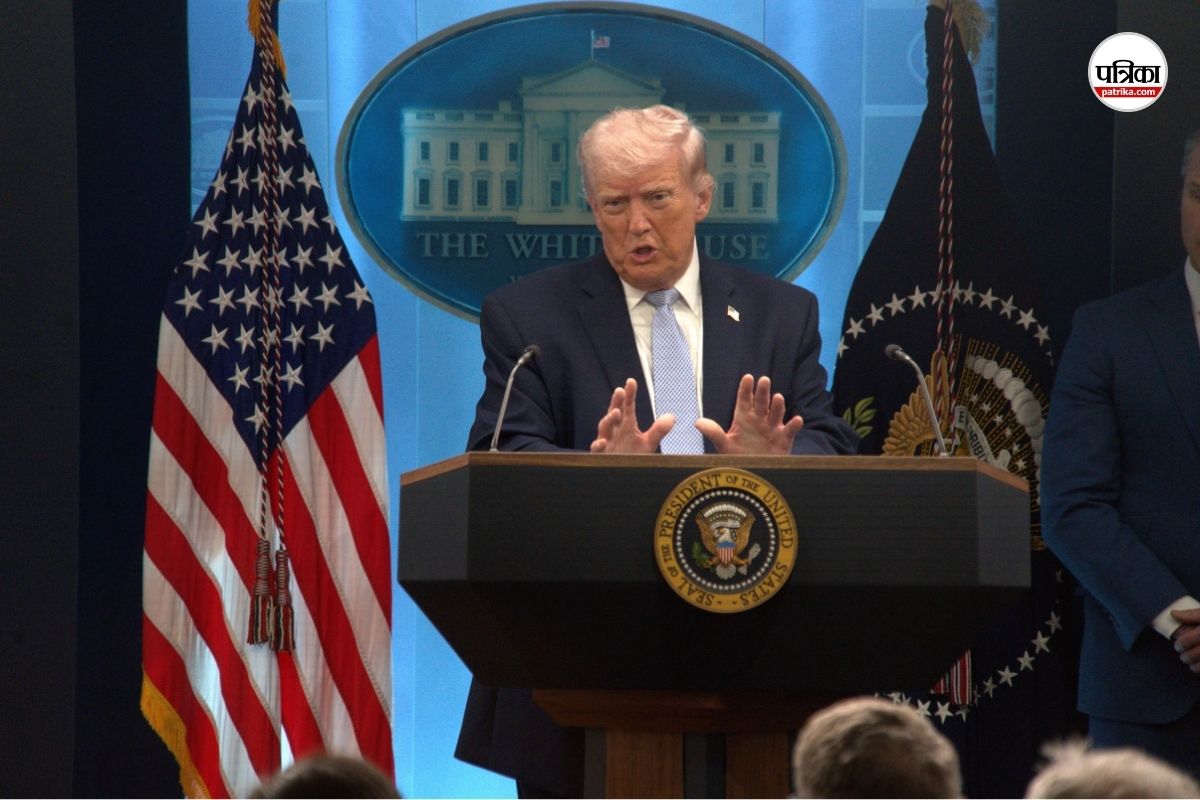
The world woke up to a different geopolitical map today. Donald Trump just called the Iran-US ceasefire a "great day for world peace," and whether you love him or hate him, the weight of this moment is impossible to ignore. This isn't just another diplomatic handshake or a temporary pause in hostilities. It's a massive shift in a relationship that's been defined by brinkmanship, sanctions, and shadow wars for decades. If this holds, the ripple effects will touch everything from global oil prices to the security of every nation in the Middle East.
Trump's latest statement via social media and brief press remarks emphasizes his "Peace Through Strength" doctrine. He's taking a victory lap, claiming that his administration’s specific pressure tactics forced Tehran to the table. Skeptics are already picking apart the details, but the immediate reality is a halt in direct military provocations. That alone is a win for a global economy that’s been on edge.
Trump Strategy Behind the Ceasefire
It didn't happen in a vacuum. The road to this ceasefire was paved with a mix of aggressive economic sanctions and back-channel communications that most analysts didn't see coming. Trump’s rhetoric has always been a blend of "fire and fury" and an almost obsessive desire to be the ultimate dealmaker. By framing this as a "great day for world peace," he’s doubling down on the idea that only his brand of unpredictable diplomacy could have cracked the Iranian code.
Critics often argue that the "Maximum Pressure" campaign only increased regional tensions. They point to the targeting of high-ranking officials and the constant threat of naval skirmishes in the Strait of Hormuz. However, the Trump camp argues these exact pressures created the leverage needed for a breakthrough. It’s a high-stakes gamble that seems to have paid off, at least for now. You don't get a ceasefire with a regional power like Iran by playing it safe or following the traditional State Department playbook.
What Global Peace Actually Looks Like Post Deal
When a world leader calls something a "great day," we have to look at what's actually changed on the ground. The ceasefire reportedly includes a cessation of drone strikes, a freeze on certain enrichment activities, and a pullback of naval assets in critical shipping lanes. This isn't a final peace treaty. Don't confuse the two. It's a cooling-off period.
For the average person, this matters because of energy security. Every time a tanker gets harassed in the Persian Gulf, your gas prices feel the pinch. A stable Iran-US relationship—or even a non-combative one—removes a massive "risk premium" from the market. We're looking at a potential stabilization of energy costs that has been missing since the early 2020s. Beyond the pumps, this deal shifts the focus toward regional proxies. If Tehran scales back its support for various groups in Lebanon, Yemen, and Iraq as part of this broader understanding, the Middle East might actually see its most peaceful era in a generation.
The Skepticism Surrounding the Statements
Not everyone is buying the "world peace" narrative. Hardliners in both Washington and Tehran are already calling this a betrayal. Some US lawmakers worry that any easing of pressure allows Iran to rebuild its conventional military capabilities. Meanwhile, in Iran, the conservative factions view any deal with Trump as a temporary tactical retreat rather than a shift in long-term goals.
It's a fragile peace. Trump’s penchant for quick wins often leaves the complex, "boring" details of implementation to others. A ceasefire is only as good as its verification mechanisms. Without boots on the ground or invasive inspections, we’re essentially relying on high-tech surveillance and a "trust but verify" mindset that has failed in the past. This isn't a "set it and forget it" situation. It requires constant maintenance.
Direct Impacts on Regional Alliances
Israel and Saudi Arabia are watching this closer than anyone else. For years, the "enemy of my enemy is my friend" logic held these nations in a loose alignment with US interests against Iran. Now that the US and Iran are talking—and stopping the shooting—those regional players have to recalibrate.
If Trump successfully pivots the US away from direct Middle Eastern conflict, these nations will have to take more responsibility for their own security. That's a core part of the Trump "America First" strategy. He wants to stop spending American lives and dollars on what he calls "endless wars." By securing a ceasefire, he’s essentially telling regional allies that the US is no longer the permanent police force of the Levant.
The Nuclear Elephant in the Room
You can't talk about an Iran-US ceasefire without talking about the nuclear program. While this specific announcement focuses on the cessation of hostilities, the underlying tension is always about the "breakout time" for a nuclear weapon. Trump’s team claims this ceasefire is the first step toward a "real" nuclear deal—one that covers ballistic missiles and regional interference, things the original JCPOA ignored.
It’s an ambitious goal. Iran has spent years building its nuclear infrastructure as a shield against regime change. Giving that up entirely seems unlikely, regardless of how many "great days" are announced. But if the ceasefire leads to a more transparent inspection regime, it’s a massive win for global non-proliferation efforts.
Economic Implications of the Ceasefire
The markets reacted almost instantly to the news. We saw a dip in oil futures and a slight rally in international shipping stocks. This makes sense. Risk is the enemy of the market. When the two biggest players in a volatile region stop threatening to blow each other up, investors breathe a sigh of freedom.
- Oil Price Volatility: Expect a decrease in the sudden price spikes that usually follow Middle East headlines.
- Foreign Investment: If sanctions are eventually eased as part of a follow-up deal, Iran's massive, young, and educated population becomes a frontier market for global brands.
- Trade Routes: The security of the Suez Canal and the Bab el-Mandeb strait becomes much easier to manage without the threat of regional escalation.
Trump's Framing and the 2026 Landscape
Politics is about perception. Trump is framing this as a historic achievement that his predecessors couldn't manage. By using the phrase "world peace," he’s positioning himself as a peacemaker rather than a warmonger—a narrative shift that’s aimed at both domestic and international audiences.
He's leaning into the idea that his personal relationships and "strongman" persona get results where traditional diplomacy fails. It’s a polarizing take. His supporters see it as proof of his genius. His detractors see it as a lucky break or a shallow deal that lacks long-term substance. Regardless of your side, you can't deny the change in tone. We went from threats of total destruction to "world peace" in a relatively short window.
Monitoring the Real World Impact
Keep your eyes on the specific movements of the US Fifth Fleet and Iranian Revolutionary Guard naval vessels. A ceasefire on paper is one thing, but if they continue to "buzz" each other in international waters, the deal is dead. Watch the language coming out of Tehran's state media. If they mirror the de-escalation talk, it's a sign the deal has internal support.
Check the "People Also Ask" sections of your news feeds and you'll see questions about whether sanctions are being lifted immediately. The answer is likely no. This is a staged process. The ceasefire is the prerequisite for the conversation about sanctions. Don't expect Boeing or European energy giants to start signing contracts in Tehran tomorrow. There's still a long way to go before Iran is reintegrated into the global financial system.
To see if this actually sticks, monitor the borders of Israel and the activity levels of Hezbollah. If the "great day" for world peace translates to less rocket fire and fewer clandestine operations, then Trump’s boast might actually hold water. For now, take the win of a quieter world, but keep your eyes wide open. The Middle East has a way of surprising even the most confident dealmakers.
If you want to track the real-time impact, follow the Brent Crude index and the official statements from the IAEA regarding Iranian site access. These are the hard metrics that matter more than any social media post. Keep an eye on regional news outlets like Al Jazeera and The Jerusalem Post to get the perspectives that US-centric media often misses. This is a global story, and the most important details often happen in the margins.