You don't cure multiple myeloma. You manage it. For decades, a diagnosis of this specific bone marrow cancer felt like an immediate ticking clock. The plasma cells in your bone marrow grow out of control, crowding out healthy blood cells and quietly destroying your bones.
But things are changing fast. Learn more on a similar topic: this related article.
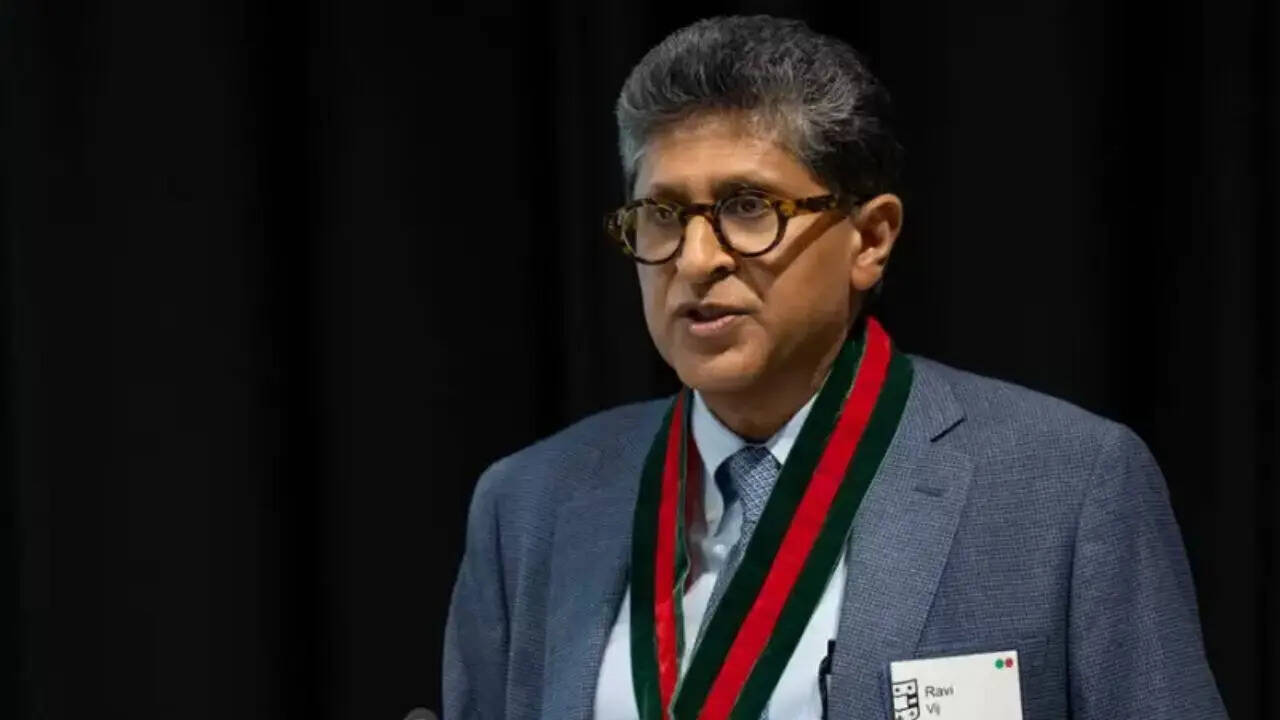
Dr. Ravi Vij, an oncologist who started his medical journey at Maulana Azad Medical College in New Delhi, has spent the last quarter-century changing that grim reality. Washington University School of Medicine in St. Louis just named him the inaugural Jeffrey S. and Prue H. Gershman Distinguished Professor in the John T. Milliken Department of Medicine. It's a massive academic honor funded by local philanthropists. But if you look past the fancy title, what does this actually mean for someone sitting in a waiting room today, terrified of a blood cancer diagnosis?
It means the global oncology community is doubling down on the exact kind of aggressive, science-first patient care that Vij champions. Further reporting by National Institutes of Health explores similar perspectives on this issue.
The Grind Behind Multiple Myeloma Innovation
The general public often thinks medical breakthroughs happen in a single, cinematic "eureka" moment. They don't. They happen through grueling clinical trials, tedious data tracking, and decades of incremental progress.
Vij arrived at WashU Medicine in the late 1990s for his fellowship in oncology, hematology, and bone marrow transplantation. He joined the faculty in 2000. Since then, he has anchored the blood cancer team at Siteman Cancer Center and Barnes-Jewish Hospital.
His specific target? The complex cellular microenvironment of blood cancers.
When you fight multiple myeloma, you aren't just fighting a tumor you can cut out with a scalpel. You're fighting a systemic malfunction. Vij's research focuses heavily on how these cancerous plasma cells interact with the bone marrow around them. By understanding how these cells hide and multiply, his work has directly guided how modern drug cocktails are designed to disrupt those exact survival mechanisms.
With more than 200 peer-reviewed scientific papers published in heavy-hitting medical journals like Blood and the Journal of Clinical Oncology, Vij hasn't just treated the patients in his St. Louis clinic. He has indirectly influenced treatment protocols worldwide.
Moving Past Toxic Chemo
The biggest shift in modern hematology is the move away from blunt-force chemotherapy toward highly targeted cellular therapies. Vij has been at the center of this transition, pushing the boundaries of stem cell transplantation and immunotherapy.
Decades ago, bone marrow transplants were incredibly high-risk procedures with unpredictable outcomes. Today, thanks to refined transplantation techniques and better supportive care, they are a foundational pillar of long-term myeloma management.
Vij's leadership roles within major national organizations like the American Society of Clinical Oncology (ASCO) and the American Society of Hematology (ASH) mean he hasn't just watched these changes happen. He has helped draft the guidelines that dictate how doctors across the United States utilize these intensive therapies. He also keeps his finger on the pulse of emerging research as the senior editor of Clinical Lymphoma, Myeloma and Leukemia.
The Ripple Effect of Academic Mentorship
The value of an elite physician-scientist isn't just measured by the number of patients they personally treat. It's also measured by the legacy they leave behind in the lab.
During his tenure at WashU, Vij has mentored at least 25 early-career researchers and medical trainees. Back in 2007, the university's Hematology and Oncology Fellowship Program named him Teacher of the Year.
Why should a patient care about a teaching award from nearly twenty years ago? Because medical advancement stalls without mentorship. The young fellows Vij trained a decade ago are the ones now running their own clinical trials, testing the next generation of CAR-T cell therapies, and discovering new genetic biomarkers.
What This Means for Your Next Move
An endowed professorship like the Gershman Distinguished Professorship isn't just a lifetime achievement trophy. It provides sustained institutional funding that frees up top-tier minds to pursue high-risk, high-reward clinical research without constantly chasing short-term grants.
If you or a loved one is currently navigating a complex hematologic diagnosis, here is what you should take away from Vij's ongoing work:
- Seek out centers running active clinical trials. True innovation doesn't hit standard community hospitals until years after it has been proven at places like Siteman Cancer Center.
- Ask about genomic profiling. Because researchers like Vij have spent years mapping the genetic underpinnings of myeloma, treatments can now be tailored to the specific mutation profile of your disease.
- Prioritize multidisciplinary teams. Blood cancers affect everything from bone density to kidney function. You need an institution where transplant specialists, oncologists, and researchers collaborate under one roof.
The battle against blood cancer is far from over, but the structural support behind leaders like Dr. Ravi Vij ensures that the science will keep moving faster than the disease.

.jpeg?width=1200&auto=webp&trim=180%2C0%2C181%2C0)