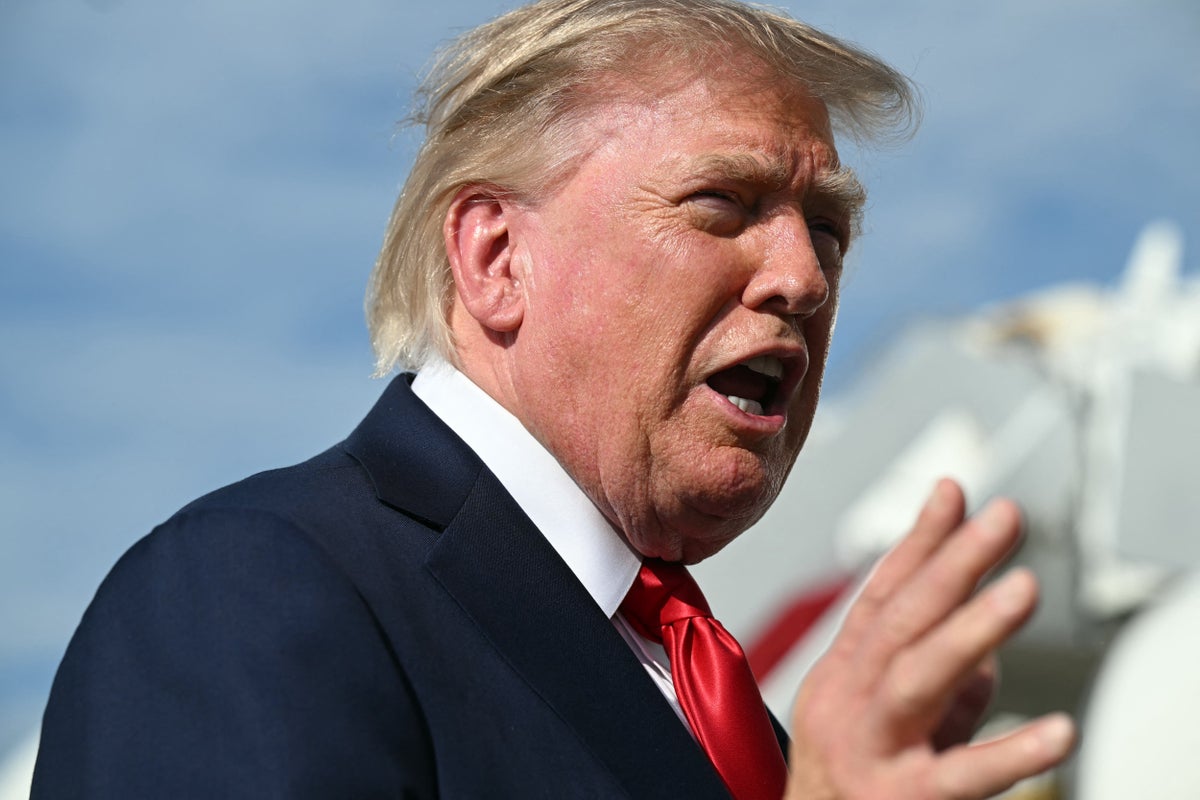
Geopolitical coercion operates through a spectrum of friction that ranges from direct kinetic engagement down to symbolic state messaging designed to alter adversary calculus without crossing the threshold of conventional war. Recent broadcasts originating from state-linked media channels in Tehran, which asserted a financial reward targeting the younger family members of high-ranking American leadership, function primarily as asymmetric signals rather than operational execution orders. Deconstructing this phenomenon requires analyzing the mechanics of state-backed media campaigns, the cost-benefit matrix of psychological warfare, and the structural limitations inherent in proxy threat escalation.
The Architecture of Symbolic Deterrence
When a sovereign state or associated military apparatus distributes stylized media detailing the movements, routines, and residential environments of an adversary's family, the primary objective is domestic consolidation and strategic signaling. This form of communication relies on a well-documented playbook of retaliatory rhetoric tied to historical grievances, specifically the kinetic actions that eliminated high-ranking military commanders.
The utility of these campaigns is measured by their ability to force an adversary into a defensive posture, consuming intelligence and security resources without requiring the state sponsor to expend equivalent capital. By focusing on non-combatant family members, the messaging exploits the asymmetric vulnerability of open democratic societies against closed authoritarian communication ecosystems. The economic cost of producing a three-minute animated broadcast is negligible, yet the potential ripple effect across intelligence evaluation units and executive protection details introduces systemic friction.
Evaluating the Threat Matrix and Verification Limits
A rigorous threat assessment separates verified intelligence operations from propaganda output. State-directed media often incorporates open-source intelligence, public social media footprints, and generalized campus locations to construct a veneer of omniscience. However, claims regarding internal infiltration, precise real-time tracking, or active recruitment of localized operatives routinely lack independent verification.
The operational reality of executive protection under agencies such as the United States Secret Service creates a multi-layered defensive barrier that invalidates simplistic threat models. While the broadcast media attempts to portray high-profile targets as accessible through routine collegiate or digital environments, the actual security apparatus implements constant counter-surveillance and dynamic routing protocols that neutralize static threat assumptions. Consequently, the financial figures attached to these announcements function as rhetorical markers rather than liquid escrow accounts or viable contract mechanisms.
The Feedback Loop of Escalation Dominance
State-level threats do not occur in a vacuum; they interact directly with economic blockades, trade sanctions, and diplomatic countermeasures. When financial authorities implement aggressive asset freezes or target specific sectors of a rival economy, the targeted regime frequently responds through asymmetrical communications channels. This creates a predictable feedback loop where economic strangulation is met with psychological escalation.
The strategic objective for the issuing state is to raise the perceived political cost of ongoing sanctions for the opposing executive administration. By personalizing the geopolitical conflict, state media attempts to introduce domestic political friction within the adversary nation. Yet, historical precedent indicates that such measures rarely alter macroeconomic policy or compel a rollback of economic sanctions. Instead, they harden adversary resolve and justify an expansion of defensive counter-measures.
Resource Allocation and Defensive Adjustments
For security planners, managing asymmetric threats requires optimizing resource allocation against low-probability, high-consequence scenarios. Intelligence services must evaluate whether public pronouncements signal an imminent shift in clandestine operational posture or simply represent low-cost information operations.
The integration of digital footprints—such as online gaming handles, public university dormitories, and social connections—into state-produced threat videos highlights the modern vulnerability of public-facing profiles. Strategic protection models must therefore account for digital hygiene alongside physical security, recognizing that open-source intelligence aggregation by hostile actors is a continuous background condition rather than a precursor to a viable kinetic strike.
Prioritize hardening the intelligence collection cycle by separating verified human intelligence threats from state-sanctioned psychological operations, ensuring that defensive posture adjustments remain proportional to confirmed operational capabilities rather than rhetorical output.
Melania, Barron Trump on Iran's kill list? Chilling threat video 'exposes' Tehran assassination plot
The linked video provides context on the emergence of state-linked media broadcasts targeting members of the Trump family.