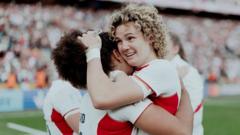
Winning feels like everything until you're standing in the middle of the noise and realize you've never felt more alone. For Ellie Kildunne, the high of a World Cup victory wasn't just a career milestone. It was a jarring, quiet collision with reality. We expect athletes to be on top of the world after a gold medal. We imagine champagne, cheers, and eternal satisfaction. But the truth is often a lot grittier and more isolating than the highlight reels suggest.
Ellie Kildunne didn't just play rugby; she dominated. As a standout for the Red Roses, her talent on the pitch is undeniable. Yet, the emotional aftermath of reaching the absolute summit of her sport revealed a gap in how we support elite athletes. When the whistle blows and the stadium empties, the transition from "world champion" back to "human being" can be brutal.
The Psychological Crash After the High
Most people think the hardest part of sports is the losing. It isn't. Losing gives you a target. It gives you a reason to wake up at 5:00 AM and hit the gym because you have something to prove. Winning the World Cup removes the target. Suddenly, the thing you spent your entire life chasing is sitting on a shelf in your living room, and you're left wondering what happens now.
Kildunne's experience of feeling alone after the win isn't a fluke. It's a documented phenomenon in sports psychology. When you spend years in a high-pressure, collective environment where every minute is scheduled, the sudden drop into "normal life" feels like a freefall. You're no longer part of the machine. The shared goal that bonded you to your teammates is gone. You're just a person in a house, staring at a medal, feeling a strange sense of mourning for the journey that just ended.
Why Team Success Can Feel Like Individual Isolation
Rugby is the ultimate team game. You bleed for the person next to you. You spend months in "the bubble," eating every meal together and sharing every bruise. Then, the tournament ends. Everyone goes their separate ways. Some go back to their clubs, some go on holiday, and some just disappear into their private lives.
For Kildunne, that sudden fracture of the collective unit was the source of the loneliness. You go from being surrounded by twenty-odd people who understand your exact physical and mental state to being around friends and family who, despite their best intentions, have no idea what you've just been through. They see the glory; they don't see the hollow space it leaves behind. It's a specific kind of social "decompression sickness."
The Pressure to Stay Happy
There's a massive stigma around not being "okay" after a win. If you lose, people expect you to be down. They offer sympathy. If you win and feel depressed or isolated, you feel like an ungrateful jerk. You think, I have what everyone wants, so why do I feel like this?
Kildunne’s honesty about this is a massive step forward for the sport. It breaks the "tough girl" persona that women’s rugby often feels forced to project. By admitting she felt alone, she’s validating a struggle that hundreds of athletes face in silence. We need to stop equating success with happiness. They aren't the same thing. Success is an achievement; happiness is a state of mind, and often, the two are at odds during the post-tournament slump.
The Role of Post-Tournament Support
Professional sports organizations are getting better at physical recovery, but the mental "wind-down" is still lagging. Here’s what’s actually happening in the weeks following a major win:
- Hormonal Crash: The adrenaline and cortisol levels that kept you sharp for weeks suddenly bottom out.
- Identity Crisis: Your identity was "World Cup Contender." Now it's "Person at the Grocery Store." That shift is fast and painful.
- Social Ghosting: Not intentional, but the daily check-ins from coaches and trainers stop because the job is done.
We need better systems. It’s not enough to give players a three-week holiday and tell them to enjoy it. There needs to be a structured "re-entry" phase that includes mental health check-ins specifically designed for the post-victory comedown.
Redefining What it Means to Lead
Ellie Kildunne is leading the Red Roses into a new era, but her leadership off the pitch is arguably more important. By speaking about her mental state, she's giving younger players a roadmap for the future. They’ll know that when they reach the top and feel that weird, empty coldness, they aren't broken. They're just human.
The Red Roses are currently one of the most dominant forces in global sports. Their win rate is staggering. But dominance comes at a cost. The expectation to be perfect, to never falter, and to always be "up" is exhausting. Kildunne is showing that you can be the best in the world and still struggle with the silence of a quiet house after the parade.
The Reality of the Women's Game
It's also worth noting the specific pressures of the women's game. While professionalization is growing, many players are still balancing more than their male counterparts. The emotional labor of growing the sport while performing at an elite level adds an extra layer of burnout. When you win, the "mission" of the sport feels accomplished, but your personal tank is empty.
Kildunne's openness is a call to action for fans and governing bodies alike. We need to treat these athletes as people first and performers second. The loneliest place in the world shouldn't be the top of the podium.
If you’re following the journey of the Red Roses, don't just look at the scorelines. Look at the humans behind them. The next time a major tournament ends, remember that the "happily ever after" for the athletes is often the hardest part of the story. Support the players by acknowledging their complexity, not just their trophies.
If you want to support the mental health of athletes, start by changing how you talk about success. Stop asking "What's next?" the second they win. Ask "How are you doing today?" Instead of focusing only on the performance, value the person. Supporting local women's rugby clubs is a great way to build the community that keeps these players grounded. Reach out to your local RFU branch or community team and see how you can get involved in building a healthier sporting culture from the ground up.

-1920w.jpg)